Green Snorkeling Tours With Marine Biologists: What to Expect and How to Book
Introduction
A snorkeling trip can be more than just floating over a reef. For the eco-conscious traveler, a green snorkeling tour led by a marine biologist offers a meaningful, low-impact way to explore underwater worlds. These tours intentionally minimize environmental harm while maximizing what you learn—turning a simple swim into a conservation-focused experience. If you care about the health of the ocean and want your travel dollars to support science and sustainability, joining a green snorkeling marine biologists tour is a practical choice. This article covers what these tours really involve, how to book one that delivers on its promises, and what you need to know before you go. The focus is on real-world decision-making, not hype.

What Exactly Is a Green Snorkeling Tour?
A green snorkeling tour is a structured outing that follows strict low-impact practices. It’s not the same as a standard resort excursion that takes a boatload of people to a popular reef. Green tours operate with a conservation-first mindset. This typically means small group sizes (often 6 to 12 people), a strict no-touch policy regarding marine life, and a requirement to use only reef-safe sunscreen. Guides, often marine biologists, provide pre-snorkel briefings on how to avoid damaging coral with fins or hands.
Certifications matter here. Look for operators associated with programs like Green Fins or Blue Flag. Green Fins, for example, sets environmental standards for dive and snorkel centers, auditing their practices on waste management, chemical use, and group control. If an operator displays a Green Fins membership, it signals a verified commitment, not just a marketing claim. A genuine green tour will also have clear policies on interacting with wildlife—no chasing, feeding, or touching. It’s a fundamentally different experience from the standard “hop on, hop off” snorkel trip, and the tradeoff is a slower, more deliberate pace and a higher price point.
Why Choose a Tour Led by a Marine Biologist?
Having a marine biologist on your snorkeling tour changes the entire experience. Instead of just seeing fish, you learn about their behavior, the health of the coral, and the local conservation projects at play. This is ideal for certain travelers: families with curious children who ask “why” constantly, solo travelers seeking depth rather than just scenery, or groups interested in citizen science projects where they can contribute sightings to ongoing research.
A marine biologist can identify specific species on the spot and explain their ecological roles. They might point out a parrotfish grazing on algae and discuss how that grazing helps keep corals healthy. They can show you a healthy reef zone versus a bleached one and explain the factors causing the difference. This level of education is not something you get from a typical boat captain or a generic guide.
There are real tradeoffs, however. Tours led by marine biologists cost more—often 20-40% more than a standard snorkel trip. This reflects the guide’s expertise and the smaller group size. You also need patience. These tours can involve longer briefings, slower in-water progress as the biologist stops to explain things, and sometimes post-snorkel debriefs where you log sightings. If you simply want a quick, carefree swim to check a box, this might not be your best fit. But if you value understanding what you are looking at, the investment is worth it.

Common Mistakes to Avoid When Booking
Bookers make predictable errors that lead to disappointment. Here are the most common ones to avoid.
- Assuming all “eco” tours are equal. Many operators use “eco” loosely. Without a certification like Green Fins, the label means little. Always verify specific practices.
- Booking solely based on price. The cheapest option almost never delivers a genuine green experience. Budget tours skip the biologist, cram the boat, and rarely enforce reef-safe sunscreen rules.
- Ignoring group size limits. A tour claiming to be eco-friendly but carrying 30 people is contradictory. Crowded groups cause more reef damage. Look for a maximum of 12 participants.
- Not checking if the marine biologist is actually on the tour. Some operators list a biologist on the website but use regular guides on the day of the trip. Ask directly: “Will a marine biologist be in the water with us on our specific tour date?”
- Forgetting to ask about reef-safe sunscreen policies. Some operators provide complimentary reef-safe sunscreen. Others expect you to bring your own. Know this beforehand to avoid being denied boarding.
Avoiding these mistakes is straightforward but requires a few minutes of research. It saves you money and frustration.
How to Evaluate a Green Snorkeling Tour Operator
Choosing the right operator requires a bit of homework. Here is what to look for.
- Verified certifications. Check for Green Fins membership, Blue Flag status, or membership in 1% for the Planet. These are third-party validations, not self-promotion.
- Transparent practices. A reputable operator clearly explains their sustainability policies on their website: waste management, how they clean gear, what happens to wastewater onboard.
- Detailed itineraries. Good operators provide a clear schedule: briefing time, duration in water, breaks, post-tour discussion. Vague itineraries often hide rushed experiences.
- Credible customer reviews. Look for reviews that mention the marine biologist’s knowledge and enthusiasm. Reviews that say “learned a lot” or “guide explained everything” are better indicators than “beautiful water.”
- Willingness to answer questions. Contact the operator directly before booking. Ask specific questions about their environmental practices. A genuine operator will respond with detailed answers, not generic marketing copy.
Not all operators meet every standard. Some are strong on education but weak on certifications. Others have certifications but rely on less knowledgeable guides. Prioritize what matters most to you: if education is your goal, favor the biologist-led tour with strong reviews. If strict environmental standards are non-negotiable, prioritize the certification.
What to Expect During the Snorkeling Session
A typical green snorkeling tour follows a structured flow. You do not just jump in the water and swim randomly.
Pre-snorkel briefing (15-20 minutes): The marine biologist covers safety basics, but more importantly, explains the ecological rules. You will learn proper finning techniques to avoid disturbing the bottom, how to maintain neutral buoyancy, and what not to touch. The biologist also outlines what specific species you might see and where to look.
In-water guidance (45-60 minutes): The biologist leads the group, stopping at specific points to point out interesting features. They might gesture toward a cleaning station where fish remove parasites from larger fish, or direct your attention to a camouflaged scorpionfish. The pace is slower than a typical tour. You spend time observing rather than covering distance.
Post-snorkel debrief or data collection (10-15 minutes): Some operators collect sightings data for citizen science projects. You might report how many sea turtles you saw or note the condition of the coral. This contributes to real conservation datasets. It also reinforces the educational value of the trip.
Expect the total duration to be around 2 to 3 hours, including gear fitting and transit. Standard gear—mask, snorkel, fins—is usually provided. Some operators offer wetsuits in cooler waters. Depth is typically shallow, 5 to 15 feet, making it accessible for most comfortable swimmers. Water conditions vary, but reputable operators choose calmer sites for safety and better visibility.
Gear You Should Bring for a Comfortable and Sustainable Trip
Packing the right gear solves common problems: sunburn, chafing, and fogged lenses. It also ensures your trip is as eco-friendly as possible.
- Reef-safe sunscreen. Standard sunscreens contain oxybenzone and octinoxate, which damage coral. Brands like Reef Safe, ThriveCoconut, and All Good offer mineral-based alternatives that are effective and safe for marine life. Travelers looking for a reliable option can find a variety of reef-safe sunscreens to choose from. Apply it 30 minutes before entering the water.
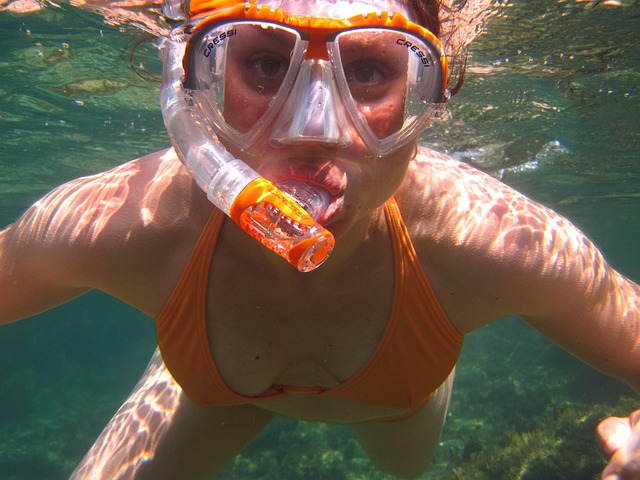
- Reusable silicone snorkel mask. A well-fitting silicone mask reduces leaks and fogging. It also eliminates the waste of single-use plastic mouthpieces. Brands like Cressi and Mares offer durable options.
- Rash guard with UPF protection. A long-sleeve rash guard minimizes sun exposure and prevents chafing from buoyancy vests or wetsuits. It is more comfortable than reapplying sunscreen every 20 minutes. Look for UPF 50+ ratings.
- Waterproof bag for your phone. A dry bag keeps your phone safe from saltwater. Use it for keys, cash, and other small items during the boat trip.
- Waterproof notepad and pencil or an underwater camera. If you want to record species you see, a simple waterproof slate works. A GoPro-style camera is useful for reviewing sightings later. Both help you engage more actively with the biologist’s guidance.
These items solve real problems. A fogged mask ruins your view. Sunburn ends your trip early. Chafing makes the experience uncomfortable. Good gear is a small investment that makes a big difference.
Green Snorkeling Tour Destinations: Where to Go
Several regions are known for offering serious green snorkeling tours led by marine biologists. Here are a few reliable options.
Raja Ampat, Indonesia
This region is a biodiversity hotspot with some of the healthiest reefs in the world. The peak season runs from October to April. The water is calm and clear, with visibility often exceeding 30 meters. Skill level: Moderate, as some currents exist. Price range: $80-150 per person for a half-day tour. The standout marine life includes pygmy seahorses, manta rays, and walkway sharks. Many operators here, like those in the Raja Ampat Research and Conservation Center, employ local marine biologists.
Belize Barrier Reef Reserve System
The Belize Barrier Reef is a UNESCO site. The dry season (December to April) offers the best visibility. Skill level: Beginner-friendly, with many protected lagoons and shallow coral gardens. Price range: $60-100 per person. Look for operators based in Hopkins or Caye Caulker that partner with marine biologists from the University of Belize or local NGOs. You will see nurse sharks, sea turtles, and the famous Blue Hole nearby.
Great Barrier Reef, Australia
The Great Barrier Reef is a world heritage site, but its health varies greatly by location. The best time is June to October. Skill level: Moderate, depending on site conditions. Price range: $100-200 per person for a full-day tour with a marine biologist. Operators like Reef Eco Tours and Passions of Paradise offer certified green tours and employ marine biologists. The standout species includes giant clams, sea turtles, and multiple species of clownfish.
Maldives Biosphere Reserves
The Maldives has several designated biosphere reserves, including Baa Atoll. The best season is November to April. Skill level: Beginner to intermediate. Price range: $80-150 per person. Many luxury resorts offer green snorkeling tours that include marine biologists, but standalone operators exist in local islands like Thulusdhoo. Expect manta rays, whale sharks, and vibrant coral gardens.
Each destination has tradeoffs: Raja Ampat requires a long journey, Belize is relatively accessible, the Great Barrier Reef is expensive, and the Maldives is dominated by resorts. Choose based on your travel style and budget.
Budget Considerations: What You’ll Pay and What’s Included
Green snorkeling tours with marine biologists cost more than standard trips. Expect to pay 20-40% more. A typical half-day tour ranges from $60 to $150 per person, while full-day options can reach $200. In comparison, a standard boat trip often costs $30-60 per person.
What’s typically included: Guide (marine biologist), mask, snorkel, fins, reef-safe sunscreen (sometimes), briefings, and a conservation fee that goes to local projects.
What’s usually extra: Meals, drinks, transport to the meeting point, photo packages, and sometimes wetsuit rental.
When to pay more: When the operator offers a proven marine biologist with strong reviews, a small group size (under 10), and transparent environmental practices. The extra cost here buys a significantly better experience and supports conservation.
When to seek value: If you are a confident swimmer and want a more budget-friendly option, look for tours that combine a marine biologist guide with a slightly larger group (up to 12) but still maintain eco-standards. Some operators offer reduced rates for repeat customers or during shoulder seasons.
The tradeoff is clear: paying more means smaller groups and better science, but it also means a slower, more focused outing. Decide based on your priorities, not just your wallet.
Who Should Skip This Type of Tour?
These tours are not for everyone. Here are scenarios where you might want to choose a different option.
- You want a quick, party-style snorkel outing with music and drinks.
- You are on a very tight budget and cannot justify a premium price for education.
- You have limited mobility and need easy entry from a beach or a step ladder. Some green tours operate from boats with no ladder or require swimming off a reef.
- You prefer to swim fast and cover a lot of ground rather than stop and observe.
- You want a completely independent experience without a guide.
Being honest about your preferences saves you money and disappointment. If you just want a cheap swim, a standard tour is fine. If you want depth and purpose, this is your match.
How to Book a Green Snorkeling Tour: Steps and Tips
Booking the right tour requires a methodical approach. Follow these steps.
- Research operators using certification databases. Start with the Green Fins website to find verified operators in your destination. This filters out many pretenders.
- Contact and ask specific questions. Email the operator and ask: “Will a marine biologist be on every trip? What is your reef-safe sunscreen policy? How many people are usually in a group?” A clear answer is a good sign.
- Read recent reviews. Check platforms like TripAdvisor or Google Reviews, but filter by “marine biologist” or “educational.” Focus on reviews from the last three months to get current information.
- Check cancellation policies. Weather conditions change fast. Reputable operators offer flexible cancellation or rescheduling policies, especially in cyclone seasons.
- Book direct when possible. Booking directly on the operator’s website often gives you better cancellation terms and may support the operator more directly than a third-party platform.
If you prefer a curated list of verified green snorkeling tours with marine biologists, consider exploring specialized booking platforms that focus on eco-tourism. These platforms often vet operators for sustainability practices, saving you research time. Many offer online booking and transparent policies.

Final Practical Tips for a Responsible Snorkeling Experience
A few tactical points will make your trip smoother and more responsible. For those who want to capture their snorkeling memories without harming the reef, an underwater camera can be a great tool to document species and share responsibly.
- Apply reef-safe sunscreen at least 30 minutes before entering the water. This allows the product to absorb and reduces the amount that washes off in the ocean.
- Maintain proper buoyancy. Use a buoyancy vest if you are a weaker swimmer. Keep your fins away from the reef to avoid breaking coral.
- Avoid feeding fish. Feeding alters natural behavior and can cause dependency on humans. It also pollutes the water.
- Collect any trash you see in the water. Some tours encourage this as part of their conservation ethos.
- Ask your guide for specific local guidelines. Each destination has unique rules based on the ecosystem’s vulnerability.
These are small actions, but collectively they make a real difference. A green snorkeling tour is not just about what you see—it’s about how you participate in protecting it. Choose wisely, book with intention, and swim with respect.