Green Travel to Remote Mountain Villages: A Practical Guide for Responsible Adventurers
Introduction
Green travel to remote mountain villages isn’t about buying carbon offsets and calling it a day. It’s about making deliberate choices that minimize your footprint while maximizing the positive impact on the places you visit. If you’re ready to book a trip and want it to be low-impact, authentic, and genuinely beneficial to local communities, this guide is for you. We’ll cover the practical logistics of getting there, choosing the right gear, finding accommodations that walk the walk, and avoiding common traps that turn a good intention into a well-intentioned mistake. This is the no-fluff breakdown of green travel mountain villages that actually works.

What Does Green Travel to Mountain Villages Actually Mean?
Let’s cut through the marketing. Green travel in remote mountain settings means three things: minimizing your carbon footprint, directly supporting the local economy in a way that doesn’t create dependency, and respecting the cultural and natural environment you’re entering. It’s not about staying in a resort with a green logo. It’s about using less energy, creating less waste, and spending your money in ways that keep the village thriving without destroying what makes it special.
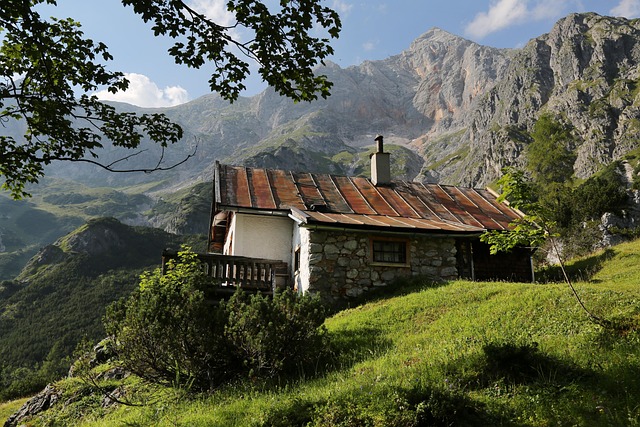
In practice, this looks different from performative eco-tourism. You won’t find solar-powered infinity pools or bamboo straws handed out with cocktails. You’ll find homes heated with wood stoves, meals cooked over open fires, and paths that have been walked for centuries. Your job is to fit into that system, not to export your expectations into it. That means accepting cold showers sometimes, carrying out your trash, and understanding that your presence is a temporary addition to a place that functions perfectly well without you.
How to Choose a Remote Mountain Village That Prioritizes Sustainability
Not every remote village is set up for low-impact tourism. Some are overwhelmed by visitors, while others lack infrastructure to handle waste or treat water. You need a decision framework.
Start with accessibility. Can you get there by public transport or a shared shuttle? If the only way in is a private 4×4, your carbon footprint spikes immediately. Look for villages served by buses, shared taxis, or scheduled treks. The journey should be part of the experience, not an emissions problem.
Next, look at accommodation. Are there established eco-lodges or homestays? Check for basic sustainability features: solar panels, composting toilets, rainwater collection, and locally sourced food. Avoid any place that looks like a resort dropped into a village. That’s a red flag for water waste and imported goods.
Community-based tourism projects are a gold standard. These are often run by village cooperatives where the profits stay local. Look for villages with a tourism committee or a women’s cooperative managing homestays. In the Himalayas, places like Ghandruk in Nepal or Kibber in India have strong community-run programs. In the Alps, many villages in the Swiss National Park region or the Italian Dolomites have strict eco-certifications for lodging.
Avoid villages with large-scale development, new road construction for tourism, or a heavy presence of international chains—signs that the local community is losing control of its tourism narrative.
Getting There Without the Guilt: Low-Impact Transport Options
This is where most of your carbon footprint comes from, so it’s worth getting right. For regional distances, trains are the clear winner. In Europe, the Alps are well-served by rail networks that drop you within hiking distance of remote villages. In South America, long-distance buses are more practical than flying between cities. In Asia, shared jeeps and minivans are the norm.
For long-haul flights, the reality is that you might have to fly. The key is to make that flight count. Choose direct flights over connections, as takeoffs and landings burn the most fuel. And stay longer. A three-week trip to a remote Himalayan village has a much better impact-per-day ratio than a long weekend.
Once you’re in the region, pack for multi-modal transport. A collapsible daypack or packing cubes make it easy to switch between a bus and a hiking trail without repacking everything. A reusable water bottle with a built-in filter means you don’t have to buy plastic bottles at every stop. And a quick-dry travel towel saves space and reduces the need for laundered hotel towels.
Packing Smart for a Low-Impact Mountain Stay
In remote mountain villages, there’s no store around the corner. Every piece of waste you create either gets burned, buried, or carried out by someone else. Packing smart is about reducing that burden.
Multi-use clothing is your first line of defense. Merino wool layers can be worn for days without smelling and dry fast. A single pair of durable pants works for hiking, dining, and lounging. Avoid high-shed synthetic fleeces; they release microplastics into water systems that often double as drinking sources.
For electronics, a solar charger is better than a portable power bank if you’re staying for more than a few days. Portable power banks rely on grid electricity to charge, which in remote villages often comes from diesel generators. Solar chargers, even small ones, can keep your phone and headlamp topped up without drawing from the local grid. If you’re only traveling for a short time, a high-capacity power bank is fine, but choose one that can be charged via USB-C for faster, more efficient top-ups.
Biodegradable toiletries are non-negotiable. Use soap bars instead of liquid soaps, which come in plastic bottles and often contain palm oil. A soap bar that doubles as shampoo, a solid sunscreen, and a dry bag for your toiletries keep everything organized and spill-proof.

Where to Stay: Eco-Lodges, Homestays, and What to Look For
The accommodation you choose has a massive impact on the local economy and environment. Here’s the breakdown.
Homestays: Best for local economic impact. Your money goes directly to a family, and you get an unfiltered experience of daily life. The downside is that infrastructure can be basic: shared bathrooms, limited hot water, and simple meals. Look for homestays that use solar water heaters or traditional cooking methods. Avoid those that have installed electric heaters or satellite TVs, as these strain the local grid.
Eco-lodges: Best for infrastructure and consistent standards. A good eco-lodge will have clear policies on waste, water, and energy. Look for lodges that compost, use greywater systems, and employ local staff. They often have better insulation and more efficient heating than homestays, which means less firewood used. The trade-off is that some of your money goes to an owner who may not be local.
Camping: Least impact on accommodation itself, but requires careful planning. You need to bring a stove, tent, and waste management system. If you’re camping, use designated sites and follow Leave No Trace protocols. Camping is best for experienced backpackers comfortable with minimal amenities.
When booking, read reviews with a critical eye. Look for specific mentions of sustainability practices, not just the word “eco.” A lodge that calls itself eco-friendly but serves imported beer and flies in produce is not green. A homestay that grows its own vegetables and uses a composting toilet is the real deal.
Eating and Drinking: How to Minimize Waste in Remote Communities
Food waste is a huge issue in remote villages because there’s often no waste collection system. Your best tools are a reusable utensil set and a collapsible food container. Use these to take leftovers from meals rather than leaving food on your plate. Many homestays are happy to let you keep food for later if you ask.
Water is the biggest source of plastic waste in mountain tourism. Avoid bottled water when possible. Instead, treat water yourself. Water purification tablets are lightweight and cheap. UV purifiers are faster but require batteries. Filter bottles are the most convenient for day hikes. Whichever method you choose, test it before you leave home to make sure it works for your water source.
Avoid processed food that comes in packaging. Buy local fruits, vegetables, and grains from village markets. This supports the local economy and eliminates the packaging waste from imported snacks. If you do bring packaged food, carry the wrappers out with you.
Cultural Etiquette: Earning Trust in Remote Mountain Villages
Green travel isn’t just about carbon and waste. It’s about social sustainability. If you disrespect local customs, you damage the relationship between the community and future travelers.
Start with clothing. Dress modestly, even if the locals don’t. In many mountain cultures, showing skin is offensive, especially for women. Long pants and covered shoulders are always safe. Ask before taking photos. In many places, people believe a photograph captures part of their soul. A simple question shows respect and builds trust.
Learn at least a few phrases in the local language. “Hello,” “thank you,” and “how much?” are essential. Even a clumsy attempt is appreciated. When it comes to gifts, never give money or candy to children directly. It creates dependency and encourages begging. Instead, contribute to a community fund or buy something for the school or health clinic.
Here’s a short checklist for respectful behavior:
- Dress modestly at all times.
- Ask permission before photographing people or their homes.
- Learn local greetings and use them.
- Do not give gifts to individuals. Give to a community fund.
- Respect meal times and food customs.
- Avoid public displays of affection.
What Not to Do: 5 Common Mistakes Travelers Make in Mountain Villages
Everyone makes mistakes when they’re new to this. Here are five that are easy to avoid once you know about them.
1. Buying single-use plastics. You’ll see water bottles, snack wrappers, and plastic bags everywhere. Don’t buy them. Plan ahead with reusable alternatives.
2. Using non-biodegradable sunscreen. It washes off into streams and lakes, harming aquatic life. Use a reef-safe, mineral sunscreen that is biodegradable.
3. Leaving toilet paper on the trail. It takes years to decompose and looks terrible. Pack it out in a zip-close bag, or better yet, use a reusable cloth wipe.
4. Booking exploitative tours. Some tour operators pay locals below a fair wage and keep most of the profit. Ask who owns the company and how guides are paid. Book directly with local cooperatives when possible.
5. Feeding wildlife. It’s tempting to leave a snack for a cute marmot or bird, but it teaches them to associate humans with food. This leads to dependency and can make them aggressive. Enjoy wildlife from a distance.
Green Travel vs. Traditional Tourism: A Cost and Impact Comparison
Many travelers assume green travel is more expensive. That’s not always true. Here’s a realistic comparison.
Accommodation: A homestay in a remote village often costs $15–$30 per night, including meals. A traditional hotel in the same area might cost $80–$150 per night. Green saves money here.
Transport: Taking a bus or shared shuttle to a village costs $10–$20. Renting a car or booking a private driver costs $50–$100 per day. Green saves money again, but it costs time. You might spend an extra hour on a bus compared to a private car.
Water: Buying bottled water adds $3–$5 per day. Bringing a filter bottle costs a one-time fee of $20–$40. After a week, you break even. Beyond that, it’s pure savings.
Food: Eating local, unprocessed food from markets is cheaper than buying imported goods. A meal at a local eatery costs $3–$8. A restaurant serving international food costs $15–$25.
Environmental impact: A green trip produces roughly 50–70% less waste and carbon than a traditional trip to the same destination. The biggest difference is transport, but even that can be minimized with good planning.
The trade-off is convenience. Green travel requires more planning, flexibility, and sometimes more time. But the savings in cost and impact are real.
How to Support the Local Economy Without Over-Tourism
Your money is your most powerful tool. Spend it in ways that benefit the community without creating dependency or crowding out local life.
Hire local guides. They know the terrain, wildlife, and culture better than anyone. They also depend on tourism for their income. Pay them fairly and don’t haggle aggressively over a few dollars. The guide you tip today might be the person who shows up to help if you sprain an ankle tomorrow.
Buy handicrafts directly from artisans, not from middlemen. You’ll get a better deal, and the artisan gets a fairer share. Ask about the materials and techniques used. This shows interest and supports traditional crafts.
Eat at family-run eateries, not chain restaurants. Even if the menu is simple, the food is local and authentic. Avoid “voluntourism” projects where you pay to help for a few days. These often disrupt local labor markets and can do more harm than good. Instead, look for long-term community projects that accept donations rather than volunteer labor.
Leave No Trace: Practical Waste Management in Remote Areas
In remote mountain villages, waste management is often non-existent. Trash gets dumped in ravines, burned in open pits, or left to decompose slowly. You have a responsibility to not add to that burden.
Pack out everything you pack in. This includes toilet paper, sanitary products, snack wrappers, and even apple cores. In high-altitude environments, organic waste decomposes very slowly. A banana peel can take years to break down.
For human waste, use designated facilities if they exist. If not, dig a cat hole at least six inches deep and 200 feet from water sources. Pack out toilet paper in a sealed bag. Never leave it under a rock or on the ground. Sanitary products should be packed out in a separate odor-proof bag.
Separate compostables from recyclables. If the village has a compost system, use it. Otherwise, carry your compostables out to a location with proper facilities. Never burn your trash. Burning plastics releases toxic fumes and leaves residue that pollutes the soil.

Final Checklist: Ready to Book Your Green Mountain Village Trip
You have everything you need to make this trip work. Here’s a quick checklist to run through before you book.
- Choose a village with community-based tourism or established eco-lodges.
- Arrange low-impact transport: train, bus, shared shuttle, or trekking.
- Pack reusable essentials: water filter, utensil set, food container, soap bar, solar charger.
- Book accommodation that uses renewable energy and sources food locally.
- Prepare culturally: learn local greetings, dress modestly, and understand customs.
- Plan waste management: pack out all trash, carry toilet paper bags, and know local disposal options.
Use this guide as your planning tool. When you book, make decisions based on impact, not convenience. And when you come back, share your experience. The more travelers who do this right, the more villages will see the value in sustainable tourism.