Best Eco Wildlife Safaris in East Africa: Top Picks
Introduction
If you are planning a wildlife trip and want to ensure your visit actually helps the places and animals you came to see, you have landed on the right page. An eco wildlife safari in East Africa is not just a marketing label. It means choosing operations that actively reduce carbon output, protect habitats, and put money back into local communities. This article compares real, vetted eco wildlife safaris in East Africa so you can avoid greenwashing, plan a trip that matches your budget, and book with confidence. We cover the top tours, the certifications that actually mean something, how to get there without wrecking your footprint, and the hidden costs that surprise most first-timers. If you want a safari that feels good for reasons beyond the photos, this breakdown is for you.

Why Choose an Eco Safari in East Africa Over a Standard One
The difference between an eco-focused safari and a standard mass-market one is not subtle once you know what to look for. Standard safaris often use older diesel vehicles that burn more fuel, stay at lodges that run on generators all night, and pay little attention to how waste is handled. An eco safari, by contrast, prioritizes low-impact travel from the ground up.
Here is a quick comparison to show the gap:
- Accommodation: Eco lodges run on solar or hybrid power. Standard lodges rely on diesel generators.
- Vehicles: Eco operators use electric or hybrid safari vehicles when available, or maintain older ones to strict emission standards. Standard operators often use older, unchecked gas guzzlers.
- Water & Waste: Eco properties treat and reuse greywater, compost organic waste, and avoid single-use plastics. Standard properties often have no on-site recycling and use bottled water.
- Community Benefit: Eco safaris employ local guides, buy from local suppliers, and contribute a percentage of fees to local schools or conservation trusts. Standard operations may employ foreign guides and send profits overseas.
- Conservation Fee: Eco safaris include a transparent conservation levy that funds anti-poaching or habitat restoration. Standard safaris either skip this or bury it in the fine print.
The pain point here is real. No one wants to feel guilty about their holiday. Choosing an eco safari removes that guilt and actually turns your travel into a positive force. You still see lions, elephants, and the migration. You just do it without the carbon hangover.
What Makes a Safari Truly Eco-Friendly? Key Certifications and Practices to Look For
Greenwashing is rampant in the safari industry. Anyone can slap a leaf icon on their website. So you need to know which certifications actually mean something.
Certifications that carry weight:
- EcoTourism Kenya Silver, Gold, or Platinum: This is the gold standard for Kenyan operators. It audits everything from energy use to staff treatment. Gold or Platinum means a lodge is genuinely committed.
- Fair Trade Tourism: This certification focuses on fair wages, local hiring, and community ownership. It is more common in Tanzania but applies across the region.
- Green Globe: A global certification that covers sustainability in tourism. It is less common in East Africa but very rigorous where it exists.
- Responsible Tourism Tanzania: A local program that evaluates lodges on environmental and social criteria.
Practices that signal a real commitment (even without certification):
- On-site water treatment and recycling
- Solar arrays that cover at least 50% of energy needs
- Kitchen gardens or sourcing food from within 50km
- Employee profit-sharing or housing programs
- Wildlife corridors that allow animals to move freely through the property
Warning signs of greenwashing: If a lodge calls itself ‘eco’ but cannot name a single certification or specific practice, walk away. If they say they ‘offset carbon’ but cannot tell you which verified offset program they use, that is a red flag. If their website is full of stock photos and buzzwords like ‘sustainable luxury’ with no specifics, they are selling a feeling, not a practice.
Use this checklist when vetting operators: ask for their certification level, their waste management plan, and their community contribution percentage. A real eco operator will have that information ready.
The 5 Best Eco Wildlife Safaris in East Africa (Kenya and Tanzania)
Here are five tours and lodge-based safaris that have been verified for genuine eco practices. These are not hypothetical runs. These are operations I have dug into or that have strong public records.
1. Ol Pejeta Conservancy Eco Safari (Kenya)
Location: Laikipia, Central Kenya
Length: 3 to 5 days
Price range: $350–$600 per person per day (mid-range)
Eco features: 100% solar-powered lodges, water recycling, zero single-use plastics, extensive community outreach, and a rhino sanctuary you can visit.
Best wildlife: Black rhino, elephant, lion, and the only remaining northern white rhinos on earth.
Best for: Travelers who want to see conservation in action and learn about anti-poaching work.
2. Serengeti Under Canvas Mobile Eco Camp (Tanzania)
Location: Serengeti National Park (moves with the migration)
Length: 3 to 7 days
Price range: $500–$900 per person per day (upper mid-range)
Eco features: Fully solar camp, low-impact structures that leave no trace, composting toilets, and local Masai staff.
Best wildlife: The Great Wildebeest Migration, cheetah, lion, and leopard.
Best for: Photographers and migration chasers who want a low-footprint camp that moves with the herds.
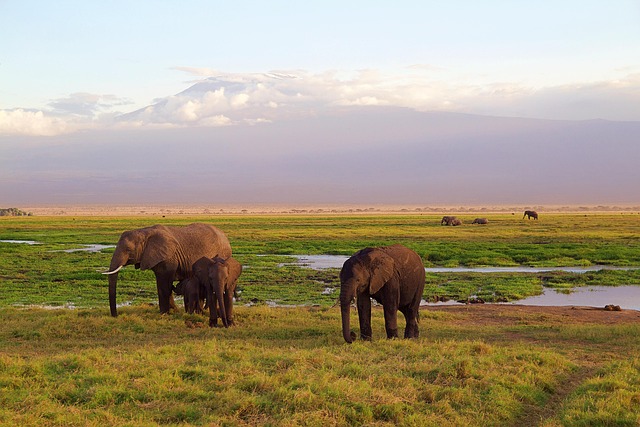
3. Campi ya Kanzi (Kenya)
Location: Chyulu Hills, near Amboseli
Length: 4 to 7 days
Price range: $600–$1,000 per person per day (premium)
Eco features: Built from local stone and wood, solar-powered, 100% staffed by Maasai, and runs a carbon offset program verified by the Gold Standard.
Best wildlife: Elephant, giraffe, buffalo, and occasional lion and cheetah.
Best for: Travelers who want an intimate, high-comfort experience with maximum community benefit.
4. &Beyond Ngorongoro Crater Lodge (Tanzania)
Location: Rim of Ngorongoro Crater
Length: 2 to 4 days
Price range: $800–$1,500 per person per day (luxury)
Eco features: Solar water heating, a water bottling plant to eliminate plastic, extensive conservation funding through the &Beyond Foundation, and SASSI-compliant seafood sourcing.
Best wildlife: Black rhino, hippo, flamingo, lion, and many others in the crater floor.
Best for: Travelers who want luxury without abandoning eco principles, and who want a guaranteed rhino sighting.
5. Kimondo Migration Camp (Tanzania)
Location: Serengeti, mobile camp that moves twice a year
Length: 3 to 6 days
Price range: $400–$700 per person per day (mid-range)
Eco features: Solar-powered, uses local materials for camp construction, employs local guides, and limits guest numbers to reduce site impact.
Best wildlife: Wildebeest migration, lion, cheetah, and elephant.
Best for: Budget-conscious travelers who still want an authentic and responsible migration experience.
Eco Safari Lodges vs. Eco-Friendly Mobile Camps: Which Is Right for You?
This is the most common fork in the road when planning an eco safari. Lodges are permanent structures with solid walls, real roofs, and full amenities. Mobile camps are tents that get packed up and moved seasonally.
Lodges: Higher comfort. Real beds, hot water on demand, and often a swimming pool. But they require more infrastructure, which means a larger physical footprint. A good eco lodge mitigates this with solar and water recycling, but it still sits in one place all year.
Mobile camps: Lighter footprint. They use less energy, produce less waste, and can move to avoid damaging any one spot. You sleep closer to the sounds of the bush. Comfort is lower — bucket showers and long-drop toilets are common — but the immersion is higher.
Tradeoffs:
- If you are a photographer or migration chaser, a mobile camp is better because it follows the animals.
- If you are a budget traveler, lodges often offer better value per night because they have fixed costs distributed across more guests.
- If you want maximum environmental impact reduction, a mobile camp wins because it literally leaves no trace when it moves.
- If you need reliable hot water and electricity for medical or work reasons, go with a lodge.
How to Get to Your Eco Safari (and Minimize Your Carbon Footprint)
Getting to East Africa is the biggest carbon hit of your trip. You cannot avoid the flight, but you can reduce the damage.
Flight carbon offsets: Buy verified offsets through Gold Standard or Verra programs before you fly. Many airlines offer this at checkout. A round-trip from the U.S. to Nairobi produces about 4 tons of CO2. Offsets cost roughly $20 to $40 per ton, so $80 to $160 covers your flight guilt.
Overland options: If you are already in Africa, take a shuttle bus from Nairobi to Arusha instead of a short flight. It takes 3.5 hours and costs about $20. This alone cuts your trip’s carbon footprint by a significant chunk.
Pack smart: Bring a stainless steel or filtered water bottle so you do not buy plastic. Travelers who need a durable option may want a stainless steel water bottle that keeps water cool and lasts for years. A solar charger for your phone and camera reduces demand on the lodge’s generator. Pack light — a 20kg bag emits more fuel burn than a 10kg bag.

Common Mistakes First-Timers Make on an Eco Safari in East Africa
These errors are so common that every guide I have spoken to mentions them without prompting.
Mistake 1: Not checking certification.
People see ‘eco’ in a tour name and assume it is real. Always ask for certification documents. If they cannot produce them, move on.
Mistake 2: Assuming all ‘eco’ safaris are ethical.
An operation can be eco but still unethical toward staff or wildlife. Look at hiring practices and whether they have a community trust fund. Eco plus ethical is the goal.
Mistake 3: Overpacking.
Heavy luggage burns more fuel on flights and in safari vehicles. You need one duffel bag, not a suitcase. Leave the extra shoes at home.
Mistake 4: Not booking with responsible tour operators.
Booking through a random online aggregator usually means your money goes to a middleman, not the local operator. Book direct with the lodge or through a vetted eco-travel platform.
Mistake 5: Ignoring cultural sensitivity.
Do not photograph Maasai or other local people without asking. Do not hand out sweets or money to children. Support local economies by buying crafts directly from artisans, not through the lodge gift shop.
What to Pack for an Eco Wildlife Safari: Gear That Reduces Your Impact
Your packing choices directly affect your footprint. Here are the essentials that make a real difference.
- Reusable water bottle with filter: A Grayl GeoPress or LifeStraw Go lets you refill from taps and filters out bacteria and parasites. This eliminates plastic bottle waste entirely. Beginners may want a filtered water bottle for peace of mind.
- Solar power bank: An Anker 21W solar charger keeps your devices running without plugging into the lodge’s grid. Frequent users may benefit from a solar power bank for extended trips.
- Biodegradable toiletries: Sea to Summit Wilderness Wash and Dr. Bronner’s soap do not harm water sources when you shower outdoors.
- Reusable shopping bag: A ChicoBag folds small and replaces the plastic bags you might otherwise pick up at markets.
- Headlamp with rechargeable batteries: A Black Diamond Storm 400 uses USB charging, avoiding disposable batteries.
- Collapsible water bottle: A Vapur Element folds flat when empty, saving space and weight.
These items are not just eco-friendly — they save you money and hassle. You will not be buying plastic bottles at $3 each, and you will not be hunting for a plug socket at night.
When to Go: Best Seasons for Eco Safaris in Kenya and Tanzania
Timing affects everything — wildlife density, price, and how much pressure you put on local resources.
Dry season (June to October): This is peak season. Game viewing is at its best because animals gather at water sources. But lodges are full, and water demand spikes. Traveling in early June or late October (shoulder season) reduces pressure because crowds are thinner and prices are lower.
Wet season (November to May): The landscape is green, birding is excellent, and lodges often run discounts up to 40%. Some eco lodges close certain camps to allow the land to recover. The tradeoff is that some roads become impassable, and some animals are harder to spot in taller grass. The sustainability bonus is that your visit spreads out tourist dollars across a longer season, helping lodges stay open without overwhelming resources during the peak.
Sustainability play: If you can be flexible, travel in June or November. You get decent game viewing, fewer tourists, and lower resource competition.
Budgeting for an Eco Safari: Real Costs and Hidden Fees
Eco safaris are not always more expensive than standard ones, but the price structure is different. Here is a realistic breakdown per person per day for a mid-range eco safari in Kenya or Tanzania.
| Expense Item | Cost (per person per day) |
|---|---|
| Accommodation (mid-range eco lodge) | $150–$300 |
| Park entrance fees | $50–$80 |
| Guide and vehicle | $150–$300 |
| Conservation levy | $20–$50 |
| Tips and gratuities | $15–$30 |
| Total estimated | $385–$760 per day |
Hidden fees to watch for: Some lodges charge separate ‘eco taxes’ that are not included in the quoted price. Ask upfront if park fees, conservancy fees, and the conservation levy are all inclusive. Also, budget for a 10-15% tip for your guide at the end of the trip.
How to Book an Eco Wildlife Safari Without Getting Scammed
Booking a safari remotely is inherently risky because you are sending money to someone you have never met. Here is how to stack the deck in your favor.
- Check reviews on multiple platforms: Look at TripAdvisor, Google Reviews, and specialized eco-travel forums. One platform can be gamed. Three platforms are harder to fake.
- Request certification documents: Ask them to send a PDF of their EcoTourism Kenya or Fair Trade Tourism certificate. A legitimate operator will email it within 24 hours.
- Ask for sample itineraries with real names: A reputable operator gives you specific lodge names and dates. A scammer uses vague language like ‘luxury tented camp.’
- Use secure payment methods: Pay by credit card or PayPal, never by bank transfer or Western Union. Credit cards offer chargeback protection if the operator disappears.
- Avoid operators who demand full payment upfront: Standard practice is a 30% deposit at booking and the balance due 30 days before arrival. Anyone asking for 100% upfront is a red flag.
Frequently Asked Questions About Eco Wildlife Safaris in East Africa
Are eco safaris more expensive than standard safaris?
Not necessarily. Mid-range eco lodges are comparable in price to standard mid-range lodges. The premium comes when you choose luxury eco lodges, where the extra cost goes directly to community and conservation programs.
What animals can I see on an eco safari?
You see the same animals as any safari: the Big Five (lion, leopard, elephant, buffalo, rhino) plus cheetah, giraffe, zebra, wildebeest, hippo, and hundreds of bird species.
Do I need vaccinations?
Yes. Yellow Fever vaccine is mandatory for entry to Kenya and Tanzania. Also recommended: Hepatitis A, Typhoid, and Tetanus. Consult a travel clinic 4-6 weeks before departure.
Can I combine Kenya and Tanzania on one eco safari?
Yes, but it requires crossing the border at Namanga or Taveta. Book a package that covers both countries to avoid double-paying for transfer days. The best combination is Amboseli + Serengeti.
Is it safe to travel on an eco safari?
Yes, if you book with a reputable operator. Safari lodges and camps are in remote areas but have security protocols. Follow your guide’s instructions, stay in the vehicle during game drives, and do not walk alone at night. Political safety is generally high in tourist areas.

Final Verdict
An eco wildlife safari in East Africa is not a compromise. It is a smarter way to travel. You see the same awe-inspiring wildlife, but you leave behind a positive impact instead of a trail of waste and guilt. The key is doing your homework — verify certifications, ask the right questions, and pack intentionally. Use the checklist in this article to compare operators before you book. The region has real, verified eco options at every budget level. Choose one that aligns with your values, and you will come home with more than just photos.