Responsible Wildlife Interaction: A Practical Guide for Eco-Conscious Travelers
Introduction
Planning an eco-adventure and want to make sure you’re doing it right? You’re in the right place. This guide covers practical guidelines for responsible wildlife interaction, written for travelers who want meaningful animal encounters without causing harm. Whether you’re tracking gorillas in Uganda, snorkeling with sea turtles, or hoping to spot a bear from a safe distance, knowing how to behave matters. Getting it wrong stresses animals, damages habitats, and can put you in danger. Getting it right means richer, more authentic experiences—and a clear conscience. We’ll skip the guilt trips and focus on actionable advice you can actually use on your next trip.

Why Responsible Wildlife Interaction Matters
Let’s be blunt: bad tourism is hurting animals. Every year, thousands of wild creatures are stressed, injured, or killed because travelers didn’t know—or didn’t care—about best practices. The most common issues are stress from being approached too closely, habituation (animals losing their natural fear of humans), and disease transmission. When animals get used to people, they stop foraging naturally and may approach vehicles for food. This leads to road accidents, aggressive behavior, and euthanasia. On the disease side, human pathogens can devastate vulnerable populations, especially primates and marine mammals.
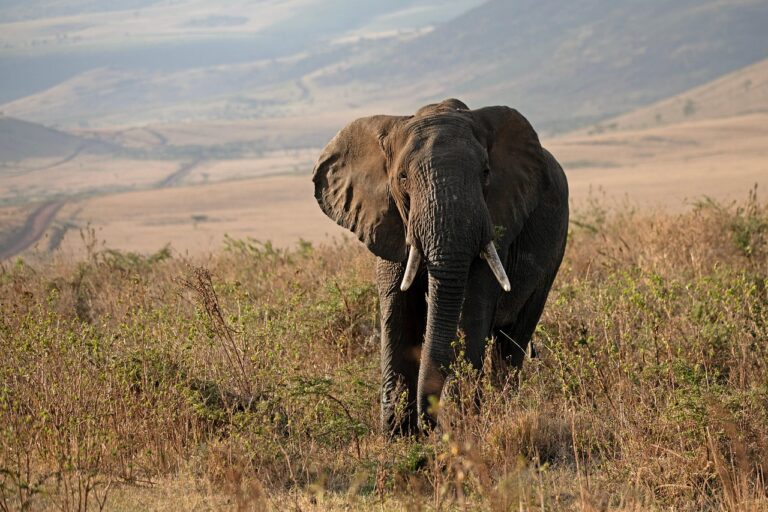
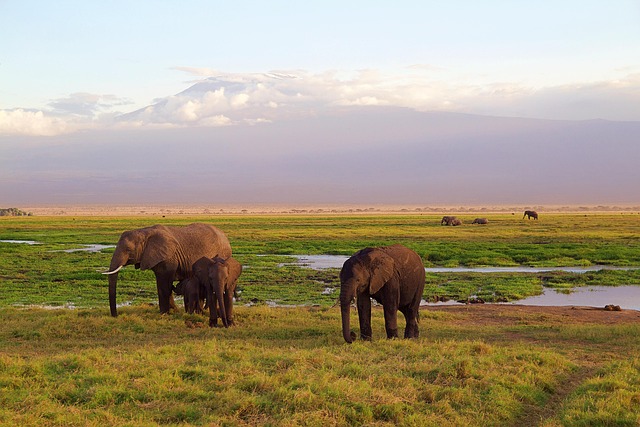
But here’s the thing: responsible wildlife interaction isn’t just about avoiding harm. It’s about getting better experiences. Animals that feel safe behave naturally. You’ll see feeding, mating, and parenting behaviors that simply don’t happen when a creature is stressed by a crowd of tourists. A herd of elephants comfortable with a quiet vehicle at a respectful distance will let you watch for hours. The same herd spooked by someone trying to get a selfie will vanish into the bush. Following guidelines isn’t just ethical—it’s the smartest way to actually see wildlife.
Common Mistakes to Avoid When Watching Animals in the Wild
Even well-meaning travelers make mistakes. Here are the most common ones I see, and why they matter.
- Getting too close. This is the number one problem. People want a good photo, so they edge closer and closer. But every species has a comfort zone. Pushing past it triggers a flight response, wastes energy, and can lead to defensive attacks. The general rule: if your presence changes the animal’s behavior, you’re too close.
- Feeding wildlife. This seems friendly but is destructive. Human food causes malnutrition, dental problems, and dependence. It also teaches animals to associate people with food, leading to aggressive begging and, eventually, animals being killed because they become a nuisance. Never feed, even if the animal looks hungry.
- Making loud noises. Shouting, revving engines, or playing music stresses animals and disrupts natural behavior. Quiet observation is always better. Talk in whispers, turn off boat engines when safe, and avoid sudden movements.
- Using flash photography. Flash blinds animals temporarily, especially nocturnal species. It can cause panic, disorientation, and in nesting birds, can cause parents to abandon their young. If you have a camera, turn off the flash and use available light or a long exposure.
- Approaching during sensitive times. Mating, nesting, and birthing seasons are when animals are most vulnerable. Disturbing them then can mean failed reproduction. Similarly, don’t approach animals that are resting, feeding, or caring for young. Learn the seasonal rhythms of the species you’re hoping to see.
General Guidelines for Observing Wildlife Safely and Ethically
These rules apply everywhere, from a Costa Rican rainforest to a Yellowstone meadow. There are no exceptions.
- Maintain distance. Use the “rule of thumb”: extend your arm and give a thumbs-up. If you can cover the entire animal with your thumb, you’re likely at a safe distance. For larger animals like bears and elephants, that distance is 100 yards or more. Smaller animals can be closer, but never close enough to touch.
- Never feed or touch. This bears repeating. Food changes behavior; touch transmits diseases and causes stress. Admire from afar.
- Move slowly and stay quiet. Sudden movements and loud noises trigger alarm responses. Walk deliberately, talk in low tones, and if you’re in a vehicle, kill the engine periodically to listen.
- Leave no trace. Pack out everything you bring in. Food scraps attract animals to human areas, and litter can be ingested or cause entanglement.
- Respect barriers and regulations. Park boundaries, trail closures, and viewing platforms exist for a reason. They protect both you and the animals. Ignoring them isn’t brave—it’s selfish.
- Follow local regulations. Every country and protected area has its own rules. Learn them before you go. In some places, you must stay on designated trails; in others, drones are banned entirely.
How to Choose a Responsible Wildlife Tour or Operator
Not all tour operators are created equal. Some genuinely care about conservation; others just want your money. Here’s how to tell the difference.
- Check for accreditation. Look for certifications like Rainforest Alliance, Travelife, or membership in the International Ecotourism Society. These aren’t perfect, but they show a baseline commitment.
- Small group sizes. More people mean more stress on animals. Responsible operators limit groups to 6-12 people. Larger groups are a red flag.
- Contribution to conservation. Good operators donate a portion of profits to local conservation efforts or directly employ local guides and researchers. Ask where the money goes.
- Trained guides. Your guide should have formal training in biology, ecology, or guiding. They should be able to explain animal behavior, not just point out highlights.
- Ethical itineraries. Look for schedules that avoid peak times, respect resting periods, and include buffer zones. If an itinerary promises multiple “close encounters” in one day, it’s prioritizing profit over animal welfare.
- No guarantees of close encounters. No ethical operator can promise you’ll see a tiger from ten feet away. That’s a sign of baiting or harassment. Beware of operators who use “guaranteed sightings” as a selling point.
- Red flags. Hands-on experiences (e.g., swimming with captive dolphins, walking with lions), animals in unnatural settings, and poor reviews about crowding or rushed tours. Walk away.
Responsible Interactions by Animal Type: Best Practices
Different animals need different approaches. Here’s a breakdown by group.
Marine Life: Whales, Dolphins, and Turtles
Keep at least 100 yards from whales and 50 yards from dolphins and sea turtles. Approach slowly and from the side, never head-on. Limit viewing time to 30 minutes per group. Never chase or herd animals. For turtles, never touch them or block their path to the water. Flash photography is especially harmful underwater—it can disorient and stress marine animals.
Land Mammals: Bears, Primates, and Big Cats
For bears, maintain 100 yards minimum. Never approach, even if they seem unbothered. For primates, keep 25-50 feet distance. No direct eye contact (it’s seen as a threat), and never smile with teeth showing. For big cats like lions and jaguars, stay in vehicles, maintain at least 80 yards, and never get out. Avoid visiting during mating or cub-rearing seasons.
Birds: Nesting and Viewing
During nesting season, stay on marked trails and keep at least 100 feet from nests. Use binoculars or a telephoto lens. Avoid playing calls to attract birds—this disrupts their behavior and can cause nesting failures. No drone flights near colonies, as they cause panic and abandonment.
Reptiles: Snakes, Lizards, and Crocodiles
Keep at least 20 feet from snakes and lizards. For crocodiles and alligators, maintain 50 feet minimum. Never harass, poke, or try to move them. They are not pets. Respect their space and move slowly if you must pass by.
The Role of Photography and Technology in Wildlife Viewing
We all want good photos, but technology can harm animals if used carelessly. Here’s how to be ethical with your gear.
- Use telephoto lenses. The best way to get a close-up is through a long lens, not by walking closer. A 200mm or 300mm lens gives you great shots from a safe distance.
- No drones in sensitive areas. Drones are banned in many national parks and protected areas for good reason. They sound like predators to many animals, causing panic, nest abandonment, and injury. Only use them where explicitly permitted, and even then, keep altitude high.
- Turn off camera flash. As noted, flash disorients animals. Use natural light or high ISO settings instead.
- Keep shutter sounds low. Some cameras let you mute the shutter. Do so if you can. The clicking can be startling, especially to skittish species.
- Avoid using camera traps or GPS tags. These can disturb animals during setup or through repeated visits. Leave this to researchers.
- Practical accessories. A good pair of binoculars (8×42 is ideal for most situations) lets you observe without intrusion. Travelers who want a reliable option may consider looking for a quality pair of 8×42 binoculars to bring along. A non-reflective camera strap prevents your gear from glinting in the sun and alarming animals. A durable field guide helps you identify species without pulling out a phone.
What to Do If You Encounter Wildlife Unexpectedly
Sometimes wildlife finds you. Here’s what to do in a sudden encounter while hiking, camping, or driving.
- Stay calm. Panic triggers flight or fight. Take a deep breath and assess the situation.
- Back away slowly. Do not turn your back and run. Most animals see running as prey behavior. Back away gradually, keeping your eyes on the animal without direct eye contact (which can be seen as a challenge).
- Avoid direct eye contact. For bears, cougars, and large primates, direct staring is aggressive. Look slightly to the side.
- Do not run. Running triggers a chase instinct in predators. Walk away steadily.
- Make yourself look larger. If a bear or big cat is approaching, raise your arms or open your jacket to appear bigger. Speak calmly but firmly.
- Know your species. For bears, the response differs by species: play dead for grizzlies, fight back for black bears. For snakes, freeze and step back slowly. For moose, back away fast—they’re more dangerous than bears in some regions.
- If you’re in a vehicle, stay inside. Do not get out. Roll up windows and drive away slowly.

Comparing Ethical Sanctuaries vs. Captive Attractions
Not all wildlife attractions are ethical. Here’s how to tell the difference between a genuine sanctuary and a commercial operation that exploits animals.
Ethical Sanctuaries: These prioritize animal welfare. They take in injured, orphaned, or rescued animals that cannot be released into the wild. The goal is rehabilitation or lifelong care with minimal human contact. Accreditation from organizations like the Global Federation of Animal Sanctuaries (GFAS) or the Association of Zoos and Aquariums (AZA) is a good sign. Visitors observe from a distance, no touching or riding is allowed. The focus is on education and conservation. You might see animals in large, naturalistic enclosures with enrichment activities.
Captive Attractions: These prioritize profit. They offer hands-on experiences like riding elephants, swimming with dolphins, or “cuddling” lion cubs. Animals are often bred in captivity, taken from the wild, or kept in poor conditions. There is no rehabilitation goal. Red flags include: animals performing tricks, unnatural behaviors, small concrete enclosures, and the ability to touch or feed them. These attractions cause immense stress and physical harm to animals.
How to Choose: Look for sanctuaries that don’t allow direct contact, have transparent funding and clear mission statements, and focus on rescue and education. If you can pay to pose with an animal, it’s not a sanctuary. Choose the ethical option, even if it costs more. Your money supports genuine care, not exploitation.
Reading Local Context: Researching Before You Go
What’s responsible in one place might not be in another. Researching local conditions before your trip is essential.
- Learn local wildlife laws. Many countries have specific regulations about approaching, feeding, or photographing certain species. Fine amounts can be steep. Know them before you arrive.
- Check seasonal closures. Beaches close during turtle nesting season. Forest trails close during bear hibernation. Pay attention to these closures and respect them. They’re not arbitrary; they protect vulnerable animals.
- Understand cultural practices. In some regions, certain animals are sacred or protected by cultural tradition. In others, hunting may be common. Understanding local attitudes helps you navigate conversations and avoid unintentional offense.
- Use local authorities as sources. National park websites, conservation NGOs, and local guide associations are reliable. Avoid tourist blogs that might promote unethical activities. A few minutes of research can save you from making a mistake.
Packing for Ethical Wildlife Adventures
Having the right gear makes ethical observation easier. Here’s what to pack.
- Binoculars. An 8×42 pair is versatile for most environments. It lets you view animals from a safe distance without distortion.
- Telephoto lens. If you’re a photographer, a 200-400mm lens is ideal for animal shots without approaching.
- Quiet clothing. Neutral colors like browns, greens, and grays blend in. Avoid bright colors and noisy fabrics like nylon that rustle.
- Reusable water bottle. Staying hydrated is important, but avoid single-use plastics that can become litter in sensitive ecosystems.
- Field guide. A waterproof pocket guide to local species helps you identify animals and understand their behavior without a phone screen. For those who want a durable reference, I’d recommend looking for a compact and waterproof field guide to take along.
- Notebook and pen. Documenting what you see helps you learn and remember. It’s also a respectful way to record without using a camera.
- What not to pack. Avoid scented lotions or perfumes that can attract or repel animals. Leave attractants like snacks or energy bars in your vehicle. No bear bells or whistles—they annoy other hikers more than they deter wildlife.
Tradeoffs: Balancing Adventure with Conservation
Let’s be real: sometimes responsible choices are inconvenient. You might have to skip a popular trail because it’s nesting season. You might pay more for a small-group tour with a trained guide. You might not get the photo you wanted because you stayed at a respectful distance. These are tradeoffs, and they’re worth making.
The closer you get, the more stress you cause. The cheaper the tour, the less likely it is to be ethical. The more convenient the experience, the higher the chance of harm. Every decision has a cost. The question is: are you willing to accept that cost for a better experience and a healthier ecosystem? Most travelers find that the deeper, quieter, more genuine encounters that come from responsible behavior are far more rewarding than a rushed selfie. Plan for tradeoffs, and you’ll come home with stories that don’t come with guilt.
Final Checklist for Planning a Responsible Wildlife Trip
- Research local wildlife laws and seasonal closures.
- Choose a responsible tour operator with accreditation and small groups.
- Pack binoculars, a telephoto lens, quiet clothing, and a field guide.
- Learn the specific guidelines for the species you hope to see.
- Plan for safe distances and quiet observation.
- Respect all barriers, closures, and regulations.
- Never feed, touch, or attempt to interact with wild animals.
- Turn off flash and keep noise to a minimum.
- If an encounter happens unexpectedly, stay calm and back away slowly.
- Support ethical sanctuaries and avoid captive attractions.
Use this guide to plan your next adventure with confidence. And if you are still looking for the right tools, it is worth checking out options for ethical wildlife viewing gear to ensure you are well prepared. Every trip supports the kind of tourism we all want to see grow.