Best Eco-Conscious Safari Destinations in Africa for Responsible Travelers
Introduction

If you’re looking for an eco conscious safari Africa trip, you’ve probably noticed that “eco” gets thrown around a lot. Some lodges put a green leaf on their website and call it done. Others have decades of solid conservation work behind them. Sorting out the difference is most of the challenge.
This is for travelers who want their safari to make a real difference without buying into a marketing story. I’m not here to sell you a perfect trip. I’ll tell you what actually works, where costs can surprise you, and which claims to ignore. The focus is on logistics, tradeoffs, and practical choices across Kenya, Tanzania, Botswana, South Africa, Namibia, Rwanda, and Uganda.
If you want glossy descriptions, plenty of other sites have those. Here, you get usable advice from someone who treats sustainability as a serious part of planning, not a sales pitch.

What Makes a Safari Truly Eco-Conscious?
This is the big question. A genuinely eco-conscious safari goes beyond recycling and solar panels. Those help, but real sustainability comes down to three pillars: conservation contributions, community benefits, and responsible operations.
Start by looking for certifications. EcoTourism Kenya, Fair Trade Tourism in South Africa, and the Global Sustainable Tourism Council (GSTC) all set meaningful standards. If a lodge has none of these, it’s worth asking why. The answer might be fine, but you should dig a little.
Here’s a quick checklist for evaluating an operator or lodge:
- Conservation contribution: Does part of your fee go toward anti-poaching, habitat restoration, or wildlife monitoring?
- Local community involvement: Are staff local hires? Does the lodge support schools, healthcare, or nearby businesses?
- Waste management: How do they handle plastic, water, and energy? Rainwater collection, solar power, and refill stations are good signs.
- Wildlife protection policies: Are wildlife-viewing rules enforced? Do they limit vehicle numbers? Are walking safaris offered?
- Transparency: Is the lodge willing to share specific data or reports on their impact?
Also be wary of “eco” used as decoration. Real operators talk about specific programs and measurable results. If the website has a nature photo and three vague sentences about sustainability, that’s a red flag. A truly eco-conscious operator gives you details because they’re proud of the work.
One more thing: eco-conscious doesn’t automatically mean expensive. Some community-run conservancies in Kenya offer competitive rates compared to private reserves. The key is knowing what to ask before you book.
Kenya: The Maasai Mara and Community-Led Conservation
The Maasai Mara is a classic safari destination, but the real eco-conscious opportunity is in the community-run conservancies around the main reserve. Areas like Mara Naboisho, Olare Motorogi, and Mara North work differently. Landowners (often Maasai communities) lease their land for conservation and tourism, getting direct income. Tourist densities are strictly capped, so you get fewer vehicles at sightings and a more private experience.
This model has tradeoffs. Conservancy fees are higher than entering the main Mara reserve. You’re paying for exclusivity and direct community benefit. The experience is noticeably better for wildlife viewing and for your peace of mind.
Lodges worth a look include Kicheche Camps and Porini Camps. Both operate within conservancies and have solid sustainability records. Kicheche is known for low-impact camps that focus on wildlife work. Porini is more established, with several camps across Kenya.
Practical logistics: Best time is July to October, during the wildebeest migration. Dry season also means better wildlife viewing generally. Fly into Nairobi, then take a short flight to the Mara airstrip. Book well ahead, especially for conservancy camps, since they have limited beds by design.
One piece of gear worth bringing for the savannah is a good pair of binoculars. You’ll see more detail and reduce the need to approach animals closely. Something in the 8×42 range works well.
Tanzania: The Serengeti and Ngorongoro – Balancing Access and Impact
Tanzania has some of Africa’s most famous safari landscapes, but mass tourism in certain areas is a real concern. The Serengeti is huge, so impact varies a lot depending on where you stay. The central Seronera area can feel crowded during peak season. The northern and southern corridors are much quieter.
Eco-rated camps like those run by Asilia Africa and Nomad Tanzania set a high standard. Asilia has several camps in the Serengeti and Ruaha, all with strong sustainability guidelines: solar power, water conservation, local hiring, and active conservation support. Nomad Tanzania focuses on small, low-impact camps in remote areas.
The Ngorongoro Crater is a specific challenge. It’s a small area with high tourist density. Going in early helps, but you still share the floor with many other vehicles. Keep your time on the crater floor short—two hours is often enough for great viewing. Combine it with a stay at an eco-lodge on the rim, where the impact is lower.
Practical tip for choosing between Kenya and Tanzania: If your priority is community-led conservation with direct benefits to local people, Kenya’s conservancies are a better fit. If you want vast, open landscapes and a wider range of remote camps, Tanzania has more options. Both countries have excellent eco-conscious operators, but the models differ.

Botswana: Luxury Sustainability in the Okavango Delta
Botswana’s tourism model is built on low volume and high value, which naturally supports sustainability. The Okavango Delta, a UNESCO World Heritage Site, is the centerpiece. Camps here typically hold fewer than 12 guests and operate with strict environmental guidelines.
Wilderness Safaris and Sanctuary Retreats are the major players with genuine eco-credentials. Wilderness Safaris especially has a long history of conservation work and community involvement. Their camps use solar power extensively, limit water use, and have well-documented conservation programs.
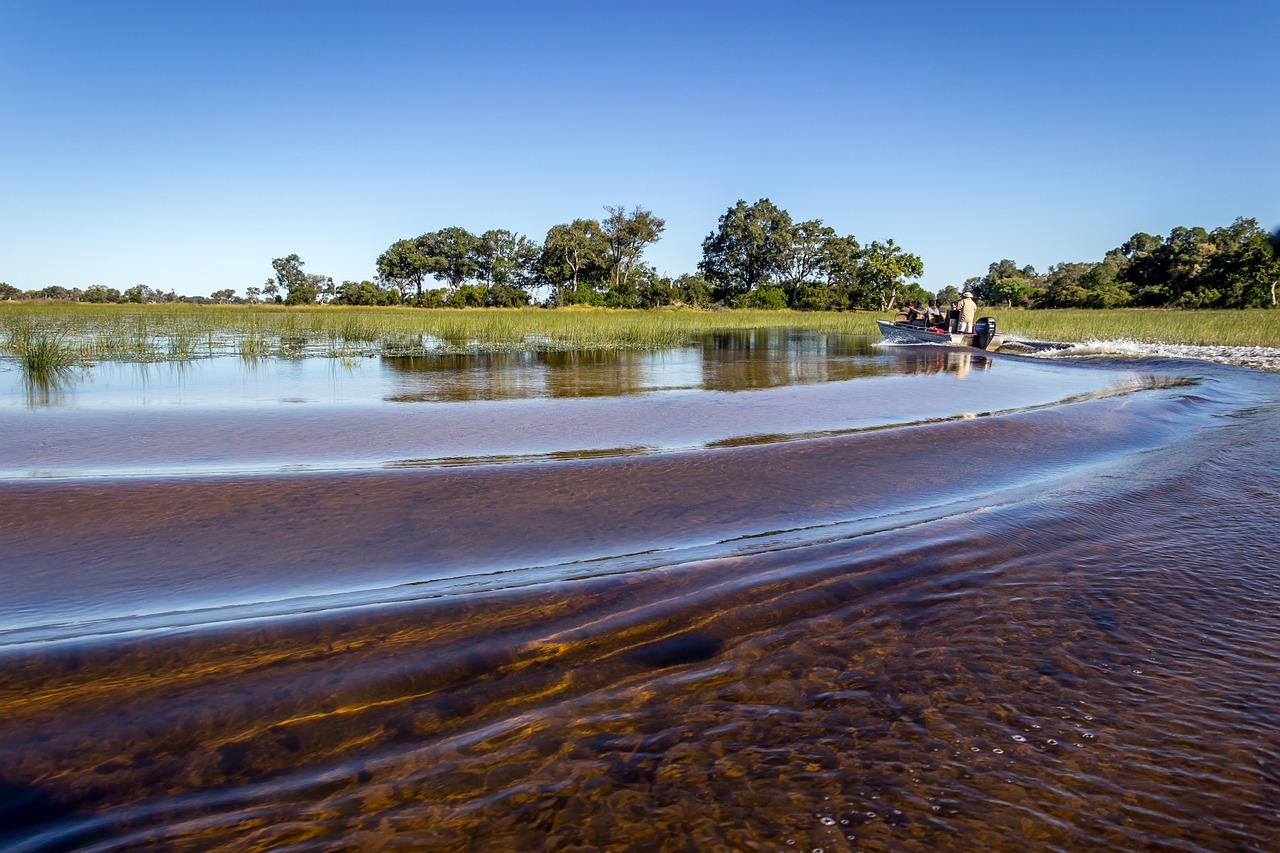
The tradeoff is clear: Botswana is expensive. You’re paying for exclusivity, high-quality guiding, and low-impact operations. For many travelers, it’s worth it. The wildlife density is exceptional, especially during the dry season (May to October). Mokoro (canoe) trips through the Delta’s channels are a unique experience with a smaller environmental footprint than motorboats.
Planning tips: Best time for the Delta is June to September, when water levels are highest. Book at least nine months ahead—capacity is deliberately limited. Fly into Maun, then take a light aircraft to your camp. Some lodges offer seasonal rate differences, so check for shoulder-season discounts if budget is tight.
South Africa: Private Game Reserves and Cape Town’s Green Lodges
South Africa offers diversity that other destinations struggle to match. Private game reserves like Sabi Sand and Madikwe work on a different model from national parks. They focus on exclusive use, anti-poaching programs, and high-quality guiding, which aligns well with eco-conscious travel if you choose carefully.
Sabi Sand, bordering Kruger National Park, is famous for leopard sightings. Madikwe, near the Botswana border, is a malaria-free option with strong conservation programs. Lodges here often run their own anti-poaching units and reintroduction projects.
Near Cape Town, properties like Grootbos and Samara Private Game Reserve offer eco-lodges with strong conservation roots. Grootbos focuses on fynbos conservation (a unique local ecosystem) and community development. Samara, in the Eastern Cape, runs a major rewilding project and offers walking safaris with a conservation angle.
Tradeoffs: Greater commercialization in South Africa means more variety, but also more variance in quality. Check for Fair Trade Tourism certification or a clear community benefit program. The Garden Route is a good option for self-drive safaris in less commercialized areas, where you can stay at green-certified lodges and book day trips into smaller reserves.
Namibia: Desert-Adapted Wildlife and Eco-Lodges
Namibia offers a different kind of safari. The landscape is arid, wildlife is adapted to extreme conditions, and the tourism model emphasizes low impact by default. Desert-adapted elephants and rhinos in Damaraland are a unique draw, along with cheetah conservation programs in the central regions.
Eco-lodges like Wolwedans in Sossusvlei and Ongawa in Damaraland set a high bar. Wolwedans runs on solar power, has a strong community trust, and offers a range of guided experiences. Ongawa focuses on rhino tracking and community collaboration.
Practical logistics: Namibia works well for self-drive safaris, but plan carefully. Distances are long, fuel stations are sparse, and road conditions vary. A 4×4 is essential if you leave main routes. Book accommodation in advance, especially in peak season (June to October).
Safety tip for self-drivers: Carry extra water (at least 5 liters per person), a satellite phone or personal locator beacon, and paper maps. GPS signals can be unreliable in remote areas. Check road conditions with local tourism offices before heading out. Self-drivers may also find a portable solar charger useful for keeping devices powered in remote locations.
Rwanda and Uganda: Mountain Gorilla Trekking with a Conservation Focus
Gorilla trekking in Rwanda and Uganda offers one of the most direct links between tourism and conservation. Permit fees are high, but a significant portion goes directly to park management, anti-poaching patrols, and community development projects. The model works: mountain gorilla numbers have risen consistently over the last two decades.
Rwanda has luxury lodges like Sabyinyo Silverback Lodge and Bisate Lodge. Both have strong sustainability credentials: Bisate is a model of reforestation and community engagement, while Sabyinyo is owned by a community trust. Permits in Rwanda are USD 1,500 per person.
Uganda is more affordable: permits are USD 700-800, and lodges like Bwindi Lodge or Sanctuary Gorilla Forest Camp offer good eco-conscious options at lower rates. The tradeoff is lower infrastructure and potentially more strenuous trekking. But the conservation impact per dollar is arguably higher in Uganda because of the cost difference.
Practical advice: Book permits at least six months ahead. Prepare physically: treks can last 2-8 hours on steep, muddy terrain. Choose operators that follow ethical guidelines, like maintaining a 7-meter distance from the gorillas and limiting visits to one hour. Avoid any operator that guarantees close encounters—that’s a sign they’re relaxed about safety rules.
Comparing Eco-Conscious Safari Destinations: A Quick Decision Guide
Here’s a summary to help match destinations to your priorities.
- Kenya (Maasai Mara conservancies): Best for community-led conservation and lower tourist densities. Costs are moderate to high. Drawback: short migration window.
- Tanzania (Serengeti, Ngorongoro): Best for vast landscapes and remote camps. Costs are moderate to high. Drawback: some areas feel busy.
- Botswana (Okavango Delta): Best for luxury sustainability and exceptional wildlife. Costs are high. Drawback: limited budget options.
- South Africa (private reserves, Cape Town): Best for variety and anti-poaching programs. Costs are moderate. Drawback: commercialization varies.
- Namibia (Sossusvlei, Damaraland): Best for desert-adapted wildlife and self-drive safaris. Costs are moderate. Drawback: remote logistics.
- Rwanda and Uganda: Best for gorilla trekking and direct conservation funding. Costs are high (Rwanda) or moderate (Uganda). Drawback: physically demanding.
One last point: check cancellation policies carefully. Many eco-conscious lodges have strict terms, but look for flexible booking windows if your travel dates are uncertain. The pandemic taught everyone the value of refundable deposits.
Common Mistakes to Avoid When Booking an Eco-Conscious Safari
Even well-meaning travelers make avoidable mistakes. Here are the ones that matter most:
- Falling for greenwashing: A lodge may claim sustainability without proof. Ask for certifications, specific conservation partnerships, or energy usage reports. If the answer is vague, move on.
- Skipping certification checks: Certifications like EcoTourism Kenya or Fair Trade Tourism aren’t perfect, but they show basic accountability. Lodges without them need closer scrutiny.
- Underestimating costs: Eco-conscious safaris often cost more because they limit guest numbers or invest in conservation. Expect to pay a premium, especially in Botswana and Rwanda.
- Ignoring seasonality: Visiting during the wet season may mean lower rates, but also lower wildlife density and logistical challenges. Weigh the tradeoffs before saving money on dates.
- Booking non-local operators: Where possible, book with tour operators based in the destination country. They’re more likely to invest locally and understand community dynamics. International operators often take a significant cut that doesn’t benefit the region.

Practical Packing and Gear Tips for an Eco-Friendly Safari
What you bring also affects your footprint. Here’s what I’d recommend based on experience:
- Reusable water bottle and filter: A Grayl Ultralight or similar water filter bottle eliminates the need for plastic water bottles. This is one of the highest-impact items you can pack.
- Eco-friendly sunscreen: Choose reef-safe, biodegradable sunscreen to avoid contaminating water sources. Many standard brands contain chemicals harmful to aquatic life.
- Biodegradable toiletries: Shampoo, soap, and insect repellent should be plant-based and packaging-free where possible. Small solid bars work well and last longer.
- Solar charger: A small solar panel or power bank keeps devices charged without relying on lodge generators. Particularly useful in remote camps.
- Clothing: Neutral colors (khaki, olive, beige) help you blend in and reduce wildlife disturbance. Layers are essential for temperature shifts. Avoid bright colors, especially white, which reflects strongly and can spook animals.
- Binoculars: A good 8×42 model lets you observe wildlife from a distance, reducing the need for vehicle approaches. Better for the animals and better for your photography.
None of this is required, but it strengthens the eco-conscious intent of your trip.
Final Thoughts: How to Choose the Right Eco-Conscious Safari for You
The best destination for your eco-conscious safari depends entirely on your priorities. If conservation impact is your main driver, Rwanda or Uganda for gorilla trekking offers the most direct contribution. If you want wilderness and exclusivity, Botswana delivers. If community involvement matters most, Kenya’s conservancies are hard to beat.
Don’t rush the decision. Research operators, ask detailed questions, and be honest about your budget. A well-planned safari that supports real conservation is worth the extra effort. Start exploring your options with the recommended operators mentioned here, and keep reading for more destination-specific breakdowns.