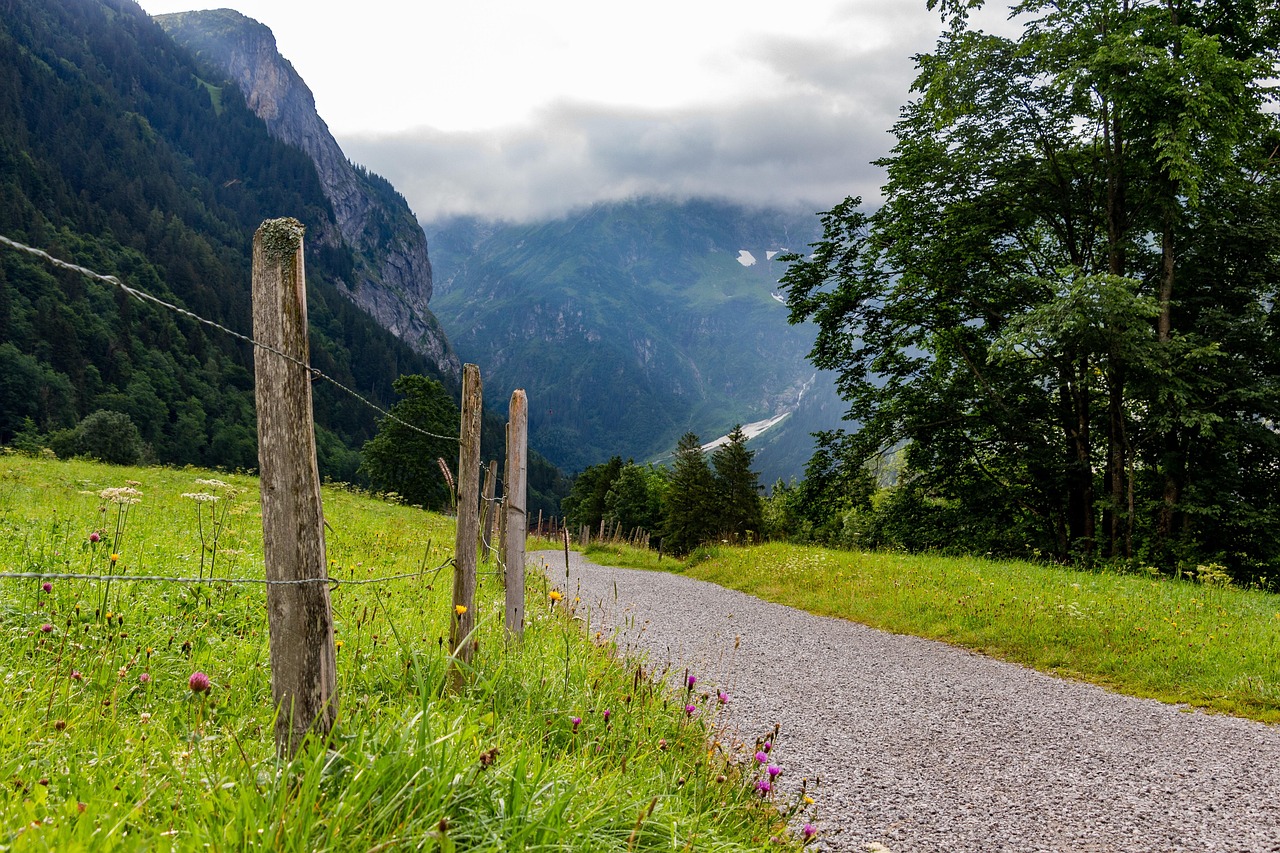
Green Mountain Hiking in the Swiss Alps: A Practical Guide to Eco-Trails
Introduction

Green hiking in the Swiss Alps isn’t just a buzzword—it’s a practical way to see some of the world’s best mountain scenery while leaving a lighter footprint. Whether you’re walking the Eiger Trail or wandering through quieter valleys, the idea behind green hiking Swiss Alps comes down to choosing certified eco-trails, staying at sustainable lodgings, and managing your waste responsibly. This guide is based on real trail conditions, how things actually work on the ground, and the systems Switzerland uses to protect its alpine environment. If you’re planning a trip and want to do it with less impact, this should help you get started.

What Defines Green Hiking in the Swiss Alps?
Green hiking here has some specific criteria tied to Switzerland’s park systems and certification programs. The Swiss Parks Network includes regional nature parks, national parks, and UNESCO Biosphere Reserves. Trails inside these areas follow specific rules about signage, waste handling, and teaching visitors about the environment.
Certified eco-trails take it further. They use natural surfaces instead of asphalt or concrete, keep infrastructure minimal (fewer bridges and railings unless really needed), and include designated spots for waste. Many are part of the “Swiss Mobility” system, which links trails to public transport so you don’t need a car.
Key things that define green hiking here:
- Certified trails – Look for “SwissTrails” or park-specific labels.
- Waste reduction – Most trails require you to pack everything out.
- Local stewardship – Many routes are maintained by volunteers or local communities.
- Integrated transport – Trails are designed to be reached by train, bus, or cable car.
Knowing these definitions helps you make better choices. It’s not just about feeling good—it’s about actually reducing your impact.
Top 5 Eco-Certified Trails for Green Hiking in the Swiss Alps
Picking the right trail matters. Here are five certified or highly eco-conscious routes, each with its own character.
| Trail | Region | Length | Difficulty | Eco Feature |
|---|---|---|---|---|
| Eiger Trail | Grindelwald | 6 km | Moderate | Accessible by train; natural path |
| Via Alpina Stage 1 | Liechtenstein to Sargans | Varied | Hard | Official Swiss Parks Network |
| Haute Route (Chamonix-Zermatt) | Valais to Zermatt | 180 km | Hard | Hut-to-hut system; public transport access |
| Swiss National Park Trail | Zernez to Scuol | 30 km | Moderate | Strict waste-free zone |
| Jura Crest Trail (Summit Stage) | Zurich to Basel | 38 km | Easy to moderate | Low traffic; easy public transport links |
Best for first-timers: Eiger Trail. It’s short, manageable, and you can reach the trailhead by train from Grindelwald. The path is well-maintained but keeps natural surfaces. Best for remote experience: Swiss National Park Trail. No cars, no shops inside the park—just pure alpine terrain with strict no-waste rules.
One real-world thing: On the Via Alpina, expect variable terrain. Some sections involve scrambling, so trekking poles help. The eco-certification here means trail markers are minimal to keep the landscape natural, but that also means you need better navigation skills.
Essential Gear for Low-Impact Alpine Hiking
Your gear choices affect your environmental footprint. Start with a reusable water system. A 1.5-liter bladder and a purification tablet setup lets you refill from streams or hut taps, skipping plastic bottles. For toiletries, look for biodegradable wipes and soap—but only use them where it’s allowed. Some alpine areas restrict any soap near water sources.
Footwear matters more than most people realize. Trail runners with soft rubber soles cause less wear on sensitive alpine soil. Boots with aggressive treads can damage fragile vegetation. I’ve seen sections of meadow trails near Grindelwald erode because people used heavy-soled boots off-season. For rocky sections like those on the Haute Route, approach shoes with good grip but minimal tread depth work better.
Packable layers are non-negotiable. A lightweight down jacket and a waterproof shell weigh under 500 grams combined but keep you warm without needing extra fuel for emergency shelter. Skip cotton—it’s heavy, doesn’t dry, and gets cold when wet.
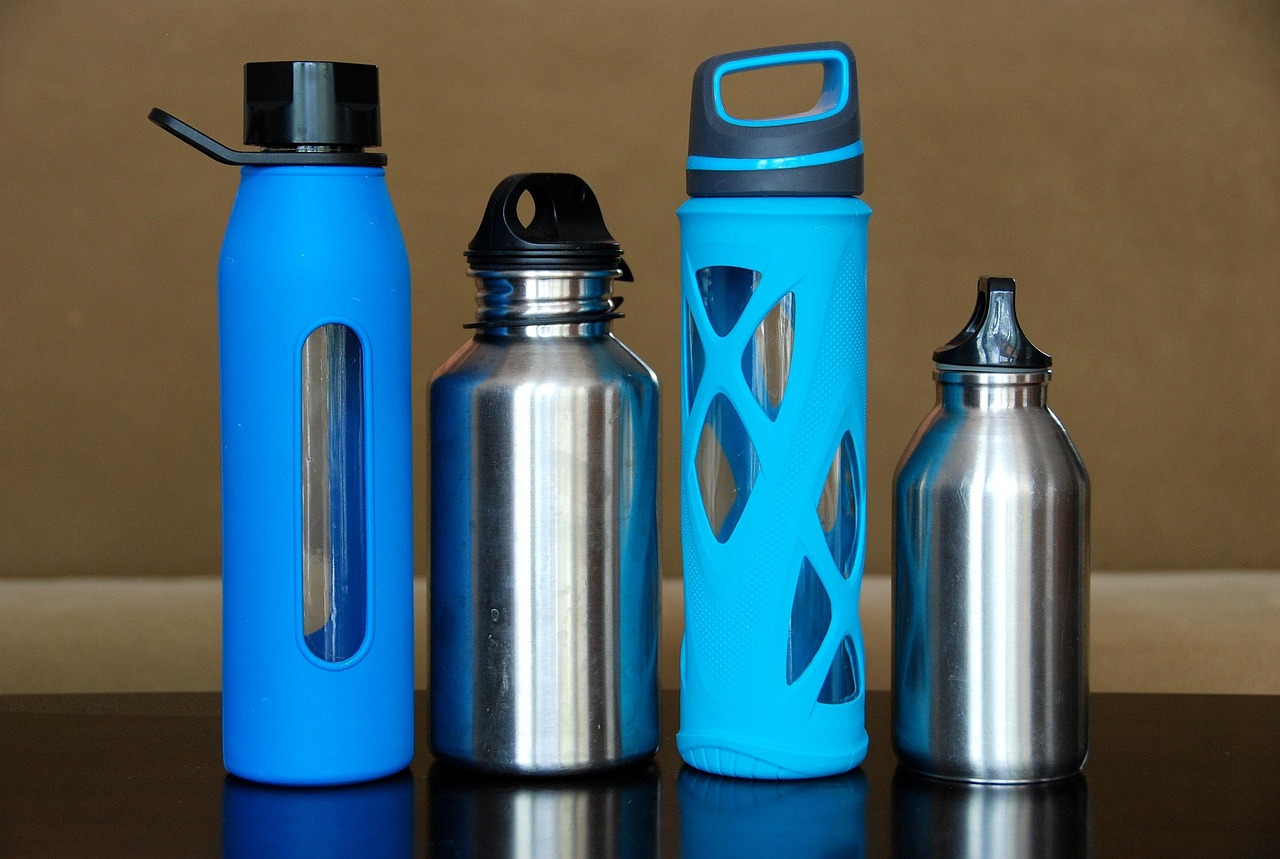
For hikers dealing with frequent water crossings or wet conditions, a reusable water bottle combined with a compact filter is a practical way to stay hydrated without generating plastic waste. These solutions address real problems like pack space and water access without being gimmicky.
Waste Management on the Trail: What Actually Works
The main rule is “pack it in, pack it out.” But how you do that matters. Here’s what works from experience:
- Use a dry bag for trash. It seals in smells and prevents leaks. A 5-liter dry bag is enough for a week’s worth of wrappers.
- Don’t leave organic waste. Apple cores, nut shells, and banana peels take years to break down in alpine conditions. Plus, they attract wildlife. Everything goes home.
- Avoid disposable items. Reusable utensils, a titanium spork, and a collapsible cup replace single-use plastics.
If you find it inconvenient to carry separate bags for waste, consider a dedicated dry bag for hiking that compresses easily and keeps things organized. It’s a small addition that simplifies waste management on longer trips.
Common mistake: People think “biodegradable” means safe to leave. In high-altitude, cold environments, biodegradation slows down a lot. Even biodegradable wipes should be packed out unless explicitly allowed.

Booking Sustainable Accommodations Near Green Trails
Accommodations matter. The Swiss Alpine Club (SAC) runs hundreds of huts across the Alps, many of which operate on solar power, use composting toilets, and require you to bring a sleeping liner to reduce linen washing. Book ahead, especially from June to September.
For something a bit nicer, look for ecolodges with “Swisstainable” certification. Properties like the Hotel Bellevue in Wengen (close to the Eiger Trail) emphasize energy efficiency and local sourcing. Farm stays (agriturismi) in the Bernese Oberland are another low-impact option—often family-run with fresh produce and minimal waste systems.
Camping is allowed only in designated spots or above timberline in certain areas, but check local regulations. Wild camping is generally not allowed in nature parks without permission.
Booking tip: Use flexible booking platforms that allow free cancellation. Weather in the Alps changes fast, and a storm can make a trail unsafe. Peak season huts book out weeks in advance, so reserve by April for July treks.
Common Mistakes to Avoid When Green Hiking the Swiss Alps
1. Underestimating altitude effects. Even at 2,000 meters, altitude can cause shortness of breath, headaches, and dehydration. Plan shorter days at high altitude and carry extra water. I once saw a group attempt the Eiger Trail from Kleine Scheidegg without acclimation—they had to turn back after an hour.
2. Incorrect trail etiquette. In Switzerland, hikers yield to uphill traffic. Stepping off the trail onto fragile alpine vegetation is discouraged. Stick to the path even when resting.
3. Overpacking non-eco gear. Bringing disposable water bottles, single-use snacks, or non-rechargeable batteries works against the whole idea. Plan your consumables with reuse in mind.
4. Ignoring weather warnings. Thunderstorms develop rapidly. Check MeteoSwiss forecasts daily. If a yellow warning is issued for lightning, postpone the hike. No trail is worth a lightning strike.
5. Failing to plan waste disposal. Some huts don’t accept trash from non-guests. If you’re hiking between huts, you might have nowhere to dispose of waste for days. Carry extra bags and plan drop-offs.
Comparisons: Green Hiking vs. Conventional Hiking in Switzerland
The table below shows some tradeoffs. Green hiking isn’t always more convenient, but it’s often more rewarding.
| Aspect | Green Hiking | Conventional Hiking |
|---|---|---|
| Cost | Similar overall; gear investment upfront | May include more car rental fees |
| Preparation time | Higher (research trails, book huts, check certifications) | Lower (use any trail, stay anywhere) |
| Trail popularity | Often less crowded, especially certified routes | More crowded, especially classic routes |
| Environmental impact | Lower waste, less erosion, better for local ecosystems | Higher waste, more trail damage |
| Flexibility | Less flexibility (need to book huts, follow strict rules) | More spontaneous (camp anywhere allowed) |
If your goal is minimizing your footprint and enjoying quieter trails, green hiking aligns well. For a last-minute weekend trip, conventional hiking may be easier. Just be mindful of waste and trail impact regardless.
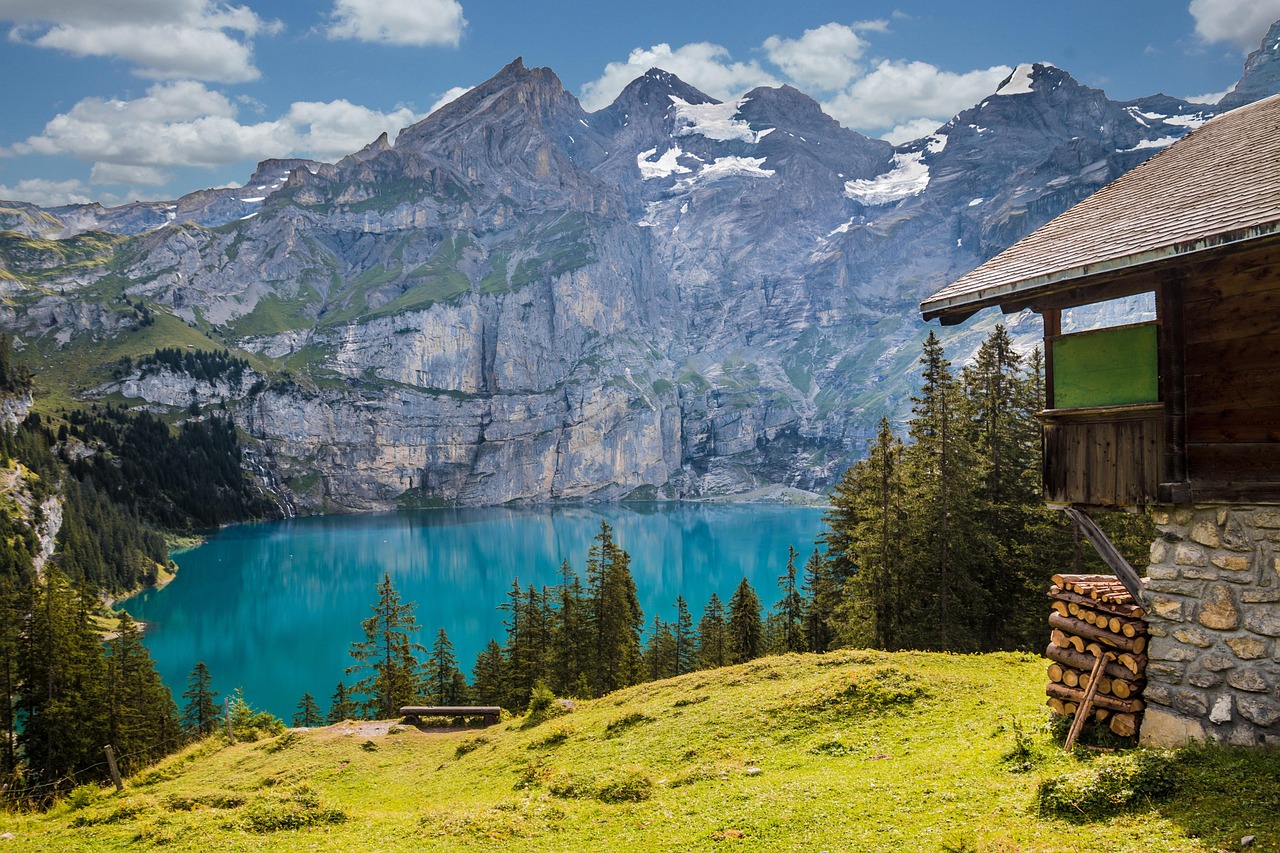
Best Times of Year for Green Hiking in the Swiss Alps
Late June through early September is the main window for most alpine trails. Snow clears at lower elevations by mid-June, but higher passes (over 2,500 meters) may stay snowy until July. For green hiking specifically, aim for mid-July to August when wildflowers bloom and erosion risk is lowest because the ground is less saturated.
- June: Lower valleys are good (e.g., Jura Crest Trail). Higher trails may have snow patches.
- July: Peak wildflower season. Trails are clear, but rain is common. Pack waterproof gear.
- August: Warmest month. Trails are driest. Best for multi-day treks.
- September: Cooler, fewer crowds. Lower chance of thunderstorms. Trails remain accessible through early October at lower elevations.
Avoid hiking in May or late October when trails are muddy and erosion is highest. If you must go off-peak, stick to official paths and avoid meadows.
How to Plan a Multi-Day Green Hiking Trip Responsibly
Step 1: Choose a route with hut-to-hut support. The Via Alpina or sections of the Haute Route work well because huts spaced 6–10 km apart mean you don’t need to carry many supplies.
Step 2: Map resupply points. Some huts sell basic snacks, but not all. Pack enough food for the entire segment. Pasta, instant oats, and dehydrated meals are lightweight and have minimal packaging.
Step 3: Plan waste management. Carry two bags—one for recyclables, one for general trash. At huts, ask if they accept waste. If not, you’ll carry it to the next town.
Step 4: Use public transport. Swiss trains and buses run on schedule and connect to trailheads. The Swiss Travel Pass covers most routes and includes free entry to many museums and parks.
Sample 3-Day Eco-Loop:
Day 1: Train to Grindelwald. Hike Kleine Scheidegg to Mürren (Eiger Trail section). Stay in Mürren at an ecolodge.
Day 2: Mürren to Schilthorn via cable car (use public transport). Hike down to Gimmelwald. Stay at a farm guesthouse.
Day 3: Gimmelwald to Stechelberg via trail. Bus to Lauterbrunnen, train to Interlaken. Return by train.
This loop uses only public transport, minimizes waste, and supports local accommodations.
Using Public Transport for Green Hiking in the Swiss Alps
Public transport is the backbone of green hiking here. Swiss trains, buses, and cable cars connect nearly every trailhead. The Swiss Travel Pass costs around CHF 240 for three days and covers unlimited train, bus, and boat travel, plus 50% off cable cars. Regional passes like the Berner Oberland Pass are cheaper if you’re staying in one area.
Some examples:
- Eiger Trail: Train from Interlaken to Kleine Scheidegg. Trail ends in Alpiglen, then train back.
- Swiss National Park: Bus from Zernez to trailhead. Park bus runs hourly in summer.
- Via Alpina Stage 1: Train from Zurich to Sargans. Bus to trail start at Vaduz (Liechtenstein).
Cost-saving tip: Book regional passes online before traveling. They’re often 10–15% cheaper than buying at stations.
Real-World Lessons from Green Hiking the Swiss Alps
Lesson 1: Trail markers aren’t always green. On the Swiss National Park Trail, markers are small wooden posts. I missed a turn near Chamanna Cluozza and ended up adding 2 km to the route. The takeaway: carry a physical map. Phone GPS fails in valleys.
Lesson 2: Biodegradable soap restrictions are serious. I once used biodegradable soap at a hut in the Valais. The hut warden told me it’s still prohibited in some water catchment areas. Now I always ask before using any soap.
Lesson 3: Hidden eco-huts exist. Near the Jura Crest Trail, there’s a small hut called “Naturfreundehaus” run on solar panels. It’s not on major booking sites. Finding it required asking locals. These hidden gems are worth seeking out.

Final Checklist for Planning Your Green Hiking Trip
- â Verify trail eco-status (Swiss Parks Network or certified label)
- â Pack reusable water system and purification method
- â Book eco-accommodation (SAC hut or Swisstainable hotel) in advance
- â Bring dry bags for waste and carry everything out
- â Check public transport schedule and buy pass before departure
- â Review 7-day weather forecast and pack appropriate layers
Start planning early. Trails and huts fill up fast. Use the checklist above as your foundation, and you’ll minimize impact while getting the most out of your trip. To simplify travel logistics, a travel organizer pouch can help keep small items—like maps, passes, and purification tablets—accessible and reduce rummaging. If you need gear that solves specific alpine problems, look into reusable bottles or compact shelters—they make a real difference on the trail.