Sustainable Rainforest Trekking in Costa Rica: A Practical Planning Guide
Introduction

Sustainable rainforest trekking in Costa Rica isn’t about buying a carbon offset T-shirt at the airport or posting a “look how green I am” selfie on a canopy walkway. It means making deliberate choices about where you walk, who you pay, and what you bring—choices that keep the forest intact and the wildlife wild for the next person. If you’re comparing options for a sustainable rainforest Costa Rica trek, you’ve probably noticed that “eco-friendly” labels get thrown around without much accountability. The difference between a trip that genuinely supports conservation and one that just looks good on Instagram comes down to planning. This guide focuses on the practical decisions: which trails limit daily visitors, which lodges can prove their certification, what gear actually lasts, and how to spend your money where it reinforces local stewardship. The goal is to walk away from your trek knowing you minimized your impact without sacrificing the adventure.

Why Sustainable Trekking Matters in Costa Rica
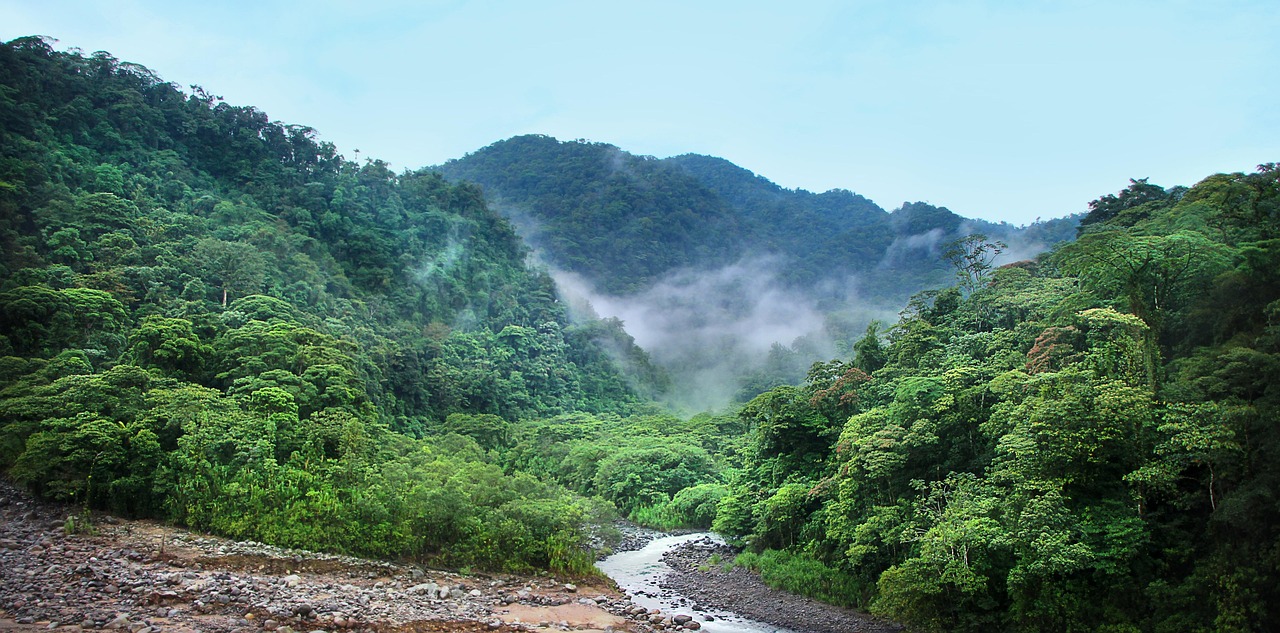
Costa Rica’s rainforests cover about a quarter of the country and hold roughly 5% of the world’s biodiversity. That’s not an accident. The country has set aside over 25% of its territory in national parks, wildlife refuges, and private reserves. But those borders don’t stop tourists from trampling roots, disturbing nesting sites, or leaving trash. Even small impacts—wandering off the trail, handling wildlife, or using the wrong sunscreen—accumulate when thousands of trekkers pass through each year.
The tourism industry drives roughly 8% of the country’s GDP, so there’s genuine tension between bringing in visitors and protecting the resource they come to see. Certifications like the Certification for Sustainable Tourism (CST) give you a way to vet operators. The CST system runs from Level 1 (basic compliance) to Level 5 (excellence). It evaluates environmental management, community engagement, and client education. Also look for Rainforest Alliance Verified stamps, which indicate that a lodge or tour operator meets criteria for water conservation, waste treatment, and fair wages.
Choosing a certified operator isn’t just a feel-good move. It directly funds rangers, trail maintenance, and local education programs. When you book a tour that caps group sizes at eight, you’re also reducing the noise and stress on wildlife. That matters because species like the Baird’s tapir and the resplendent quetzal are sensitive to human presence during breeding seasons. The right choices keep those animals visible for the long haul.
Top Sustainable Rainforest Trails for Trekkers
Not all rainforest trails are managed the same way. Some charge entry fees that funnel directly back into park maintenance. Others limit daily permits to keep visitor numbers manageable. Here are four trails worth your time, with details on what makes them sustainable.
Corcovado National Park (Osa Peninsula) is often described as the most biologically intense place on Earth. It restricts hikers to certain sectors and requires a certified guide for all overnight treks. Day passes are capped at roughly 200 visitors, and you need to book weeks in advance. The main route from La Leona to Sirena is about 16 km (10 miles) and takes 4–6 hours depending on mud and heat. Difficulty is moderate to high—expect river crossings, heat in the 80s, and persistent humidity. Permits run around $15 per day, plus guide fees that vary by operator. This is the best trail for remote biodiversity and low-impact access.
Arenal Volcano National Park near La Fortuna offers shorter, easier loops like the 3.5 km (2.2 mile) Las Coladas trail. It’s well-maintained, with boardwalks over lava flows and clear signage. Permits are issued on a walk-up basis with no strict cap during dry season, but the park closes sections if conditions get muddy to prevent erosion. Ideal for trekkers who want an afternoon rainforest experience without overnight commitments. Good for families, beginner hikers, and anyone looking for a low-stress intro to the ecosystem.
Monteverde Cloud Forest Reserve runs a strict daily cap of 600 visitors, with most people sticking to the 2 km (1.2 mile) Sendero Bosque Nuboso. The trail is paved in places but can get slick. Guided night walks are available and highly recommended for spotting frogs, snakes, and sleeping birds. The reserve has Rainforest Alliance certification and reinvests ticket revenue into reforestation projects. Best for trekkers who want moderate terrain and excellent birding opportunities.
Rincón de la Vieja National Park in Guanacaste combines volcanic terrain with dry forest and rainforest microclimates. The Las Pailas loop is 3 km (1.9 miles) and passes boiling mud pots and fumaroles—unique geology combined with tropical flora. Park access costs $15, and trails close periodically due to volcanic activity. Good for trekkers who want a different kind of rainforest environment without the intense humidity of the southern Pacific coast. Community-based guides from nearby Curubandé lead small-group hikes that directly support local families.
Each of these destinations offers a different balance of difficulty, crowding, and ecological management. Corcovado is the most serious commitment; Monteverde fits a tighter schedule; Arenal works for beginners; Rincón de la Vieja adds variety. Pick based on the experience you want, not the photos you’ve seen.
How to Choose a Certified Eco-Lodge or Tour Operator
Booking the first “eco-lodge” you find on a booking aggregator is a risk. Many properties self-label without meeting any verified standard. Here’s how to vet them.
Check for CST levels. The Costa Rican Tourism Board lists CST-rated accommodations on its official site. Level 3 and above means the property has proven systems for waste management, water conservation, and staff training. Avoid any lodge that can’t produce its current CST certificate. If a listing says “eco-friendly” but the fine print reveals chlorine pools, single-serving toiletries, and no recycling program, keep looking.
Look for Rainforest Alliance or EarthCheck certification. These third-party audits cover energy use, chemical handling, and community hiring. Lodges that have them tend to be transparent about their practices. For tour operators, ask directly: “Are your guides certified to lead in protected areas?” The answer should be yes, with a specific guide license number.
Ask about waste. Restaurants that use compostable containers, refillable water stations, and bulk soap dispensers instead of mini plastic bottles are serious about sustainability. One good sign: the lodge provides a reusable bottle or filling station upon check-in. A bad sign: they sell single-use plastic water bottles at the front desk.
Check community involvement. Operators that hire local guides, purchase produce from nearby farms, and donate a percentage of profits to conservation projects contribute more than those that simply build a treehouse in the forest. You can often find “community benefit” statements on lodge websites. If there’s no mention of local hiring or sourcing, assume the impact is minimal.
A few reliable properties to start with: Lapa Rios Lodge on the Osa Peninsula (CST Level 5, Rainforest Alliance certified), Pacuare Lodge near Tortuguero (CST Level 4, uses 100% renewable energy), and Monteverde Lodge & Gardens (CST Level 3, well-established community partnerships). All three are transparent online about their practices and have been operating under these standards for years.
Checklist for Vetting Operators
- Current CST level (Level 3–5 desirable)
- Rainforest Alliance, EarthCheck, or similar third-party certification
- Refillable water stations (no single-use plastic)
- Composting and recycling program visible or documented
- Local hiring policy (guides from nearby towns)
- Group size cap (maximum eight hikers per guide is standard for low-impact treks)
- Clear waste management plan for multi-day treks (pack it in, pack it out)
What to Pack: Sustainable Gear for the Rainforest
Rainforest trekking gear takes a beating. Humidity, mud, and rain will test your equipment within hours. Smart packing means buying durable, repairable items rather than disposable alternatives.
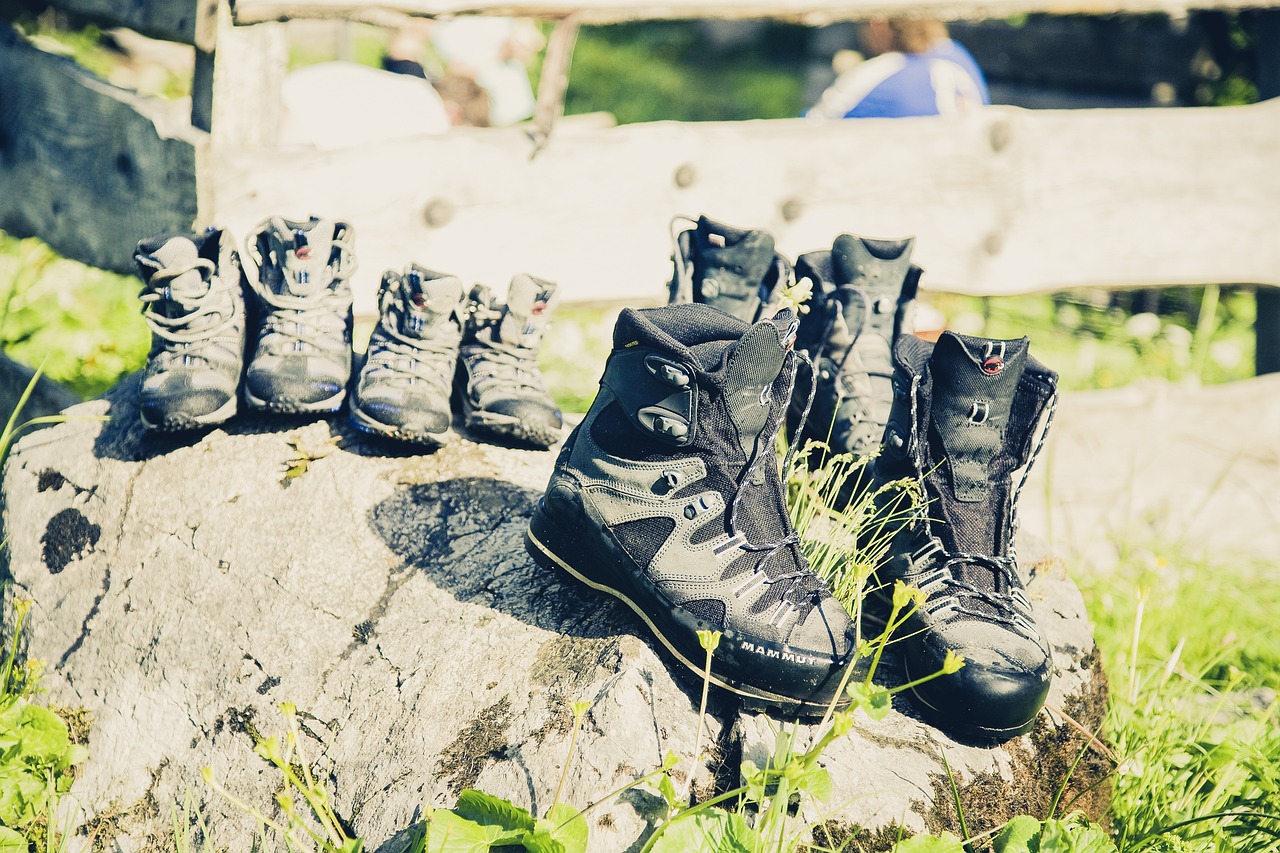
Waterproof boots. You need ankle support and aggressive tread. Sneakers will turn into sponges on day one. Brands like Merrell and Keen make boots with recycled materials and offer repair programs. Expect to pay $120–$180 for something that lasts multiple trips. Avoid boots with heavy synthetic linings that can’t dry out overnight. Trekkers who need reliable footwear for muddy trails may want to look at a range of waterproof hiking boots suited for wet conditions.
Rain jacket. A lightweight, PVC-free shell is essential. Patagonia’s Torrentshell (made with recycled nylon and DWR treatment) is a solid choice. Ponchos work but snag on branches. A jacket that packs into its own pocket is ideal for fluctuating conditions.
Insect repellent. Look for lotions with 20–30% DEET or Picaridin that come in recyclable or refillable containers. Avoid aerosol sprays—they’re harder to contain and often use propellants that aren’t great for the environment. If you prefer natural options, oil of lemon eucalyptus works but requires reapplication every two hours.
Reusable water bottle. A Klean Kanteen or Hydro Flask with a wide mouth makes filtering easier. Both brands offer insulated versions that keep water cool in the jungle heat. Capacity: 1 liter minimum, 1.5 liters better for longer treks. Bottles with built-in filters (like the Grayl GeoPress) give you more water safety without carrying chemicals. For travelers who want a simple hydration solution, checking out reusable water bottle options can help reduce plastic use on the trail.
Dry bags. Rainforests are called rainforests for a reason. A 20-liter dry bag keeps electronics, documents, and spare clothes dry during river crossings or sudden downpours. Sea to Summit and Earth Pak make affordable, durable options in recycled materials.
Packing light. Every extra kilogram you carry increases your energy consumption and pack weight. For a 3–5 day trek, plan for two sets of quick-dry clothes, a pair of sandals or water shoes for camp, and a single pair of long pants and long sleeves for evening protection against mosquitoes. Leave the cotton behind—it stays wet and ruins your comfort.

Food and Water: Staying Hydrated and Fed Responsibly
Water is the main logistical challenge on rainforest treks. Tap water is generally safe in city hotels, but on the trail you need a treatment method. Portable filters like the Sawyer Squeeze or Katadyn BeFree weigh under 100 grams and handle stream or river water. Iodine tablets are lighter but leave an aftertaste. Boiling takes time and fuel. My advice: carry a filter plus one backup purification tablet per day. That covers you if the stream is too silty for the filter or if you can’t find a safe source.
Reusable bottles with built-in filters remove the need to carry separate purification gear, but they’re heavier. Tradeoffs depend on your trip length. For multi-day treks, the filter bottle is convenient; for day hikes, tablets are lighter.
For food, skip protein bars wrapped in foil. Buy dried fruit, nuts, and jerky at local markets in San José or the town nearest your park entrance. Most eco-lodges serve meals sourced from local farmers—ask about their suppliers. At places like Lapa Rios, the menu changes based on what’s available from regional farms, which reduces transportation emissions and supports local agriculture.
Pack a lightweight stove if you’re cooking independently. Propane canisters are widely available in San José, but check whether your lodge or park allows open fires. Most don’t. A canister stove is safer and more efficient.
Best Times to Trek: Weather, Wildlife, and Crowds
Costa Rica’s rainy season runs roughly May through November. The dry season runs December through April. Neither is perfect—the best time depends on your tolerance for mud versus crowds.
Dry season (December–April). Trails are firmer, river crossings are easier, and humidity is lower. Visitation peaks in January and February. Permits for Corcovado and Monteverde sell out well in advance. Wildlife tends to cluster around remaining water sources, making them easier to spot. If you want to book a specific lodge or a guided Corcovado trek, reserve two to three months ahead.
Green season (May–November). Rain falls in the afternoon, morning hikes remain feasible. Crowds are thinner, and prices drop for accommodation. Green season is better for amphibian viewing (frogs are more active), and migratory birds are present. The tradeoff: mud, leeches, and higher river levels can cancel certain treks. The Osa Peninsula gets the heaviest rainfall from September to November. If you’re set on Corcovado, avoid October unless you’re comfortable with potential trail closures.

Shoulder months (May and November). Often the sweet spot for balanced conditions. May sees the first heavy rains but fewer tourists. November brings cleanup and partially reopened trails after peak rain. Both months offer lower costs and easier permit acquisition. For most trekkers, May is the best compromise.
If your priority is wildlife, align your trip with seasonal behaviors. Quetzal mating season runs March through June in Monteverde. Sea turtles nest on the Caribbean coast from March to October. Howler monkeys are less vocal during heavy rain. Plan around the species you want to see, not just the weather.
Common Mistakes to Avoid on Sustainable Rainforest Treks
1. Booking without verifying eco-claims. “Eco-friendly” is not a certification. If an operator uses that phrase without providing CST numbers or third-party audits, assume it’s marketing. Ask for proof. If they get defensive, move on.
2. Using single-use plastic. Costa Rica has a national goal to eliminate single-use plastic , but many small vendors still sell water bottles and individually wrapped snacks. Plan to avoid them. Bring a reusable bottle, filter, and a spork. Avoid products wrapped in multiple layers of packaging.
3. Bringing inappropriate footwear. I see people attempting Corcovado in sneakers or flip-flops almost every year. Sneakers offer no support on muddy, steep terrain. Flip-flops are dangerous near roots and rocks. Boots with good tread are non-negotiable. If you wear the wrong shoes, you’ll slip, fall, and potentially damage the trail by scrambling off it.
4. Not respecting trail rules. Walking off the marked path to get a better photo of a tarantula or snake tramples the understory and disturbs the animal. Stay on the trail. Don’t touch or feed wildlife—that includes monkeys that approach you. It stresses them out and habituates them to humans, which can lead to them being relocated or euthanized.
5. Underestimating physical demands. Rainforest treks are not flat nature walks. Expect climbs, mud that grabs your boots, and humidity that saps energy fast. If you’re used to hiking in temperate climates, you’ll need to adjust your pace. Double your estimated hiking time for the first few days. Carry more water than you think you need.

Balancing Adventure and Conservation: A Realistic Approach
The tension between budget and sustainability is real. Certified eco-lodges cost more than backpacker hostels. Group tours with certified guides charge higher per-person fees than unguided hikes. You have to decide where to compromise.
Cheaper vs. certified accommodation. If you’re on a tight budget, stay at community-run hostels or homestays in towns adjacent to parks. They won’t have formal certifications, but they pour money directly into local economies. Avoid the large all-inclusive hotels that don’t disclose waste management. Even without certification, a small family hostel that grows its own food and composts is better than a resort that claims sustainability but runs a 24-hour buffet with throwaway packaging.
Convenience vs. impact. Group tours handle logistics, but they can crowd trails. Independent trekking gives you flexibility but requires more planning. If you choose an independent route, carry a filter, know the park’s rules, and pack out every scrap. If you prefer a guided experience, look for operators that run small groups (six to eight people) and leave no trace on overnight stops.
Group size tradeoff. A large tour bus might be cheaper and more social, but the collective impact of 20 people on a trail—compacted soil, noise disturbance, waste—is proportionally larger. For minimal impact, choose a private or small-group tour even if it costs more. The difference for the ecosystem is measurable.
The framework: prioritize certification for overnight stays and guided activities, accept lower certification for day-use sites, and always pack reusable gear. That strategy balances cost with conservation without paralyzing your trip.
Booking Your Trip: What to Look For and Where to Start
Reserve early for peak dry season (December–February). For Corcovado overnights, book permits at least six weeks out. For Monteverde night walks, a week ahead is usually sufficient, but weekend slots fill faster.
Step one: Research certifications. Before you book any lodge or tour, confirm CST level on the Costa Rican Tourism Board’s certification database. If the operator is unlisted, ask why.
Step two: Compare package deals vs. DIY. Package deals can simplify logistics but often lock you into certain accommodations. DIY booking gives you control over which trails and lodges you use. For a first-time sustainable trek, a curated package that includes a certified guide and a CST Level 3+ lodge is easier and often generates less waste than patching together independent bookings.
Step three: Read reviews with an environmental lens. On platforms like TripAdvisor, search reviews for keywords like “recycling,” “reusable bottles,” “local food,” and “guide knowledge.” Ignore reviews that complain about no plastic straws or limited electricity. Those are green flags.
Step four: Book direct when possible. Booking through an aggregator often gives a cut to an intermediary. Direct booking means more money stays with the lodge or local operator. If you find a lodge on a third-party site, visit its own website to check for direct booking options. Many offer the same price with added perks like free transfers.
Step five: Consider travel insurance with environmental coverage. Some policies now include carbon offset programs or donate to conservation projects. It’s not essential but worth a look if you’re already buying insurance.
Final Checklist for a Sustainable Rainforest Trek
Before you go:
- Verify that your lodge, tour operator, or guide holds a current CST Level 3+ or equivalent third-party certification
- Pack a reusable water bottle with a filter or purification tablets
- Bring a dry sack and a spork, wrap your gear in cloth instead of plastic bags
- Commit to Leave No Trace: carry out every wrapper, every apple core, every tissue
- Book permits and lodging at least 4–6 weeks ahead for dry season treks
- Support local guides—hire from communities near the parks, not from national companies that bus in staff
The rainforest doesn’t need your admiration. It needs your cooperation. Sustainable trekking isn’t about being perfect—it’s about making better choices each time you go. Plan ahead, ask the right questions, and spend your money where it protects the forest that hosts you.
Ready to start planning? Check our curated list of CST-certified lodges and small-group treks that prioritize conservation without cutting corners. Book direct through the links below to support operators who walk the walk.