Best Time to Visit Eco Destinations by Season: A Practical Planning Guide
Why Seasonality Matters for Eco Destinations

Planning a trip to an eco-destination isn’t quite like booking a standard beach vacation. Timing affects what you see, what you spend, and even your trip’s carbon footprint. The best time to visit eco destinations by season usually comes down to tradeoffs between weather and conservation support.
Peak season brings crowds and higher prices but guarantees access to trails and tours. Off-season travel can mean lower rates and fewer people, but you risk trail closures, limited services, or missing key wildlife activity. The sweet spot is often the shoulder season—that window between peak and off-peak when conditions are still good but local resources aren’t under as much pressure.
From trips to places like Costa Rica, Patagonia, and Norway, I’ve learned that the ‘perfect’ season doesn’t really exist. What matters is matching your priorities with the destination’s natural rhythms. That’s what this guide helps you figure out.

Spring: Wildflowers, Migration, and Moderate Crowds
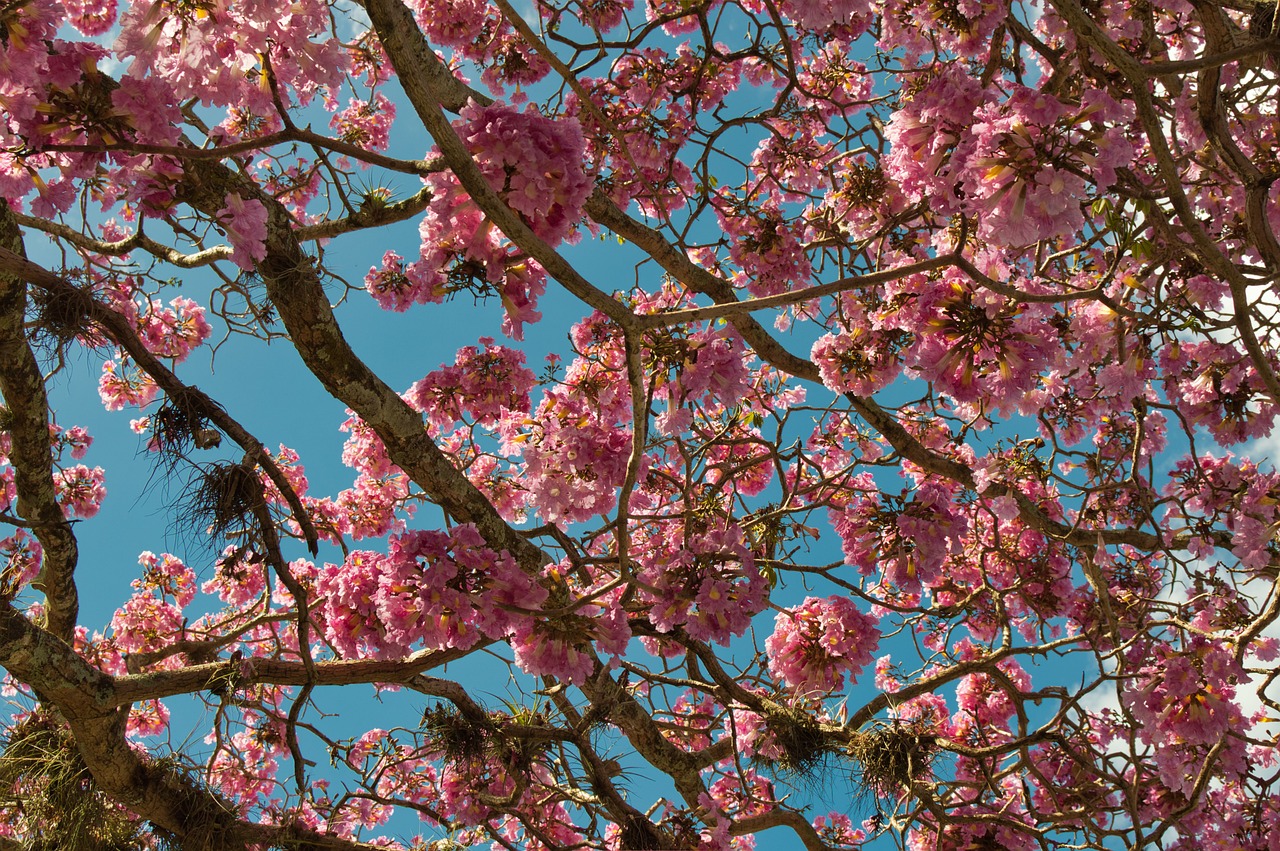
Spring is one of the more rewarding times for eco travel in temperate regions. In Costa Rica’s cloud forests, the dry season gives way to gentle rains that trigger explosive plant growth and bird activity. The resplendent quetzal is easier to spot in March and April because it’s nesting. In Patagonia, spring brings blooming lenga trees and calving glaciers, though you’ll still encounter some wind and rain.
For nature photographers, spring is often the best time to capture vibrant landscapes without the harsh light of summer. The crowds are manageable—nowhere near the chaos of December or July. That said, you still need to book popular parks like Manuel Antonio or Torres del Paine at least two months ahead.
A few practical tips for spring travel:
- Pack a lightweight rain jacket (the Patagonia Torrentshell is a solid choice for packability and durability).
- Bring waterproof hiking boots—trails get muddy.
- Book accommodations early for March and April, especially in national park gate towns.
Summer: Peak Travel and High-Altitude Adventures
Summer is prime time for alpine and Nordic eco destinations. Norway’s fjords are most accessible from June through August, with long daylight hours stretching into the night. The Swiss Alps offer clear trails and cable cars running at full capacity. If you’re after glacier hikes or sea kayaking, summer is hands-down the best time for those activities.
But summer comes with tradeoffs. Trails get crowded, prices spike, and you’ll compete for permits. In popular spots like Norway’s Trolltunga or Switzerland’s Eiger Trail, you need to book your spot weeks in advance. I’ve seen travelers show up without permits and get turned away—don’t be that person.
My advice: aim for early morning or late afternoon hikes to avoid the worst heat and crowds. Carry plenty of water and sun protection, even in alpine areas. The sun at altitude hits harder than you’d expect.
Fall: Shoulder Season Goldilocks Zone
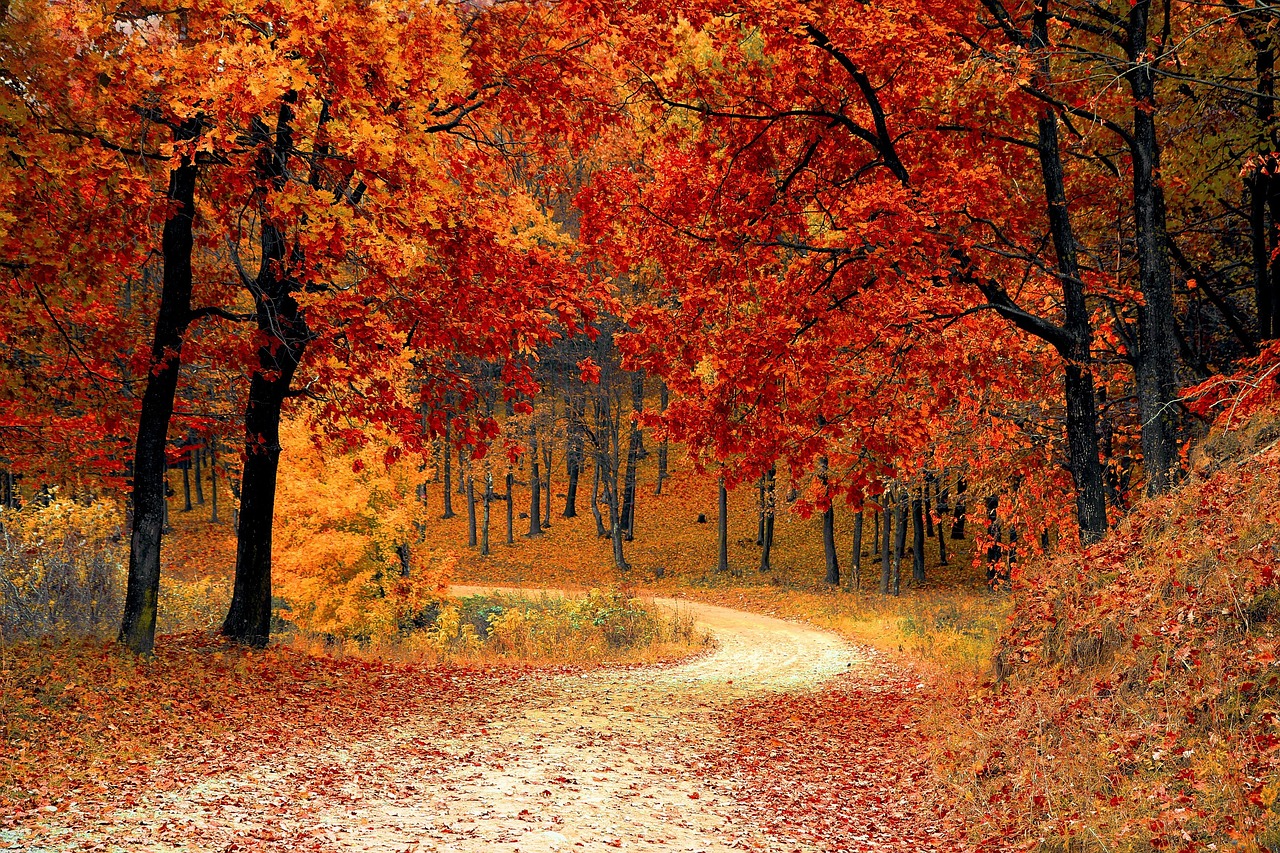
If I had to pick one season that works for most travelers, it would be fall. September through November offers mild weather, fewer tourists, and often the lowest rates of the year. In New England, the foliage peaks in October, making it a prime time for hiking in places like Acadia National Park. Japan’s national parks, like Nikko and Daisetsuzan, are stunning with autumn colors and much quieter than in spring.
Fall is also when many eco lodges drop their rates by 20-30%. That’s real savings you can put toward guided tours or better gear. For wildlife, it’s a mixed bag—some animals are preparing for winter, while others are migrating. In Yellowstone, the elk rut happens in September, which is both fascinating and requires caution.
What to bring for fall travel:
- Thermal layers (merino wool base layers are ideal).
- A good pair of binoculars (Vortex Diamondback HD offers solid performance without breaking the bank).
- A headlamp for shorter daylight hours.

Winter: Solitude and Unique Wildlife Encounters
Winter travel isn’t for everyone, but it rewards those who embrace it. In Yellowstone, the crowds vanish, and you can see bison steaming in geothermal pools against a snow-covered backdrop. In Lapland, winter means northern lights, reindeer safaris, and the chance to stay in a glass igloo. For budget travelers, winter is often the best time to score deals—lodges drop prices, and flights are cheaper.
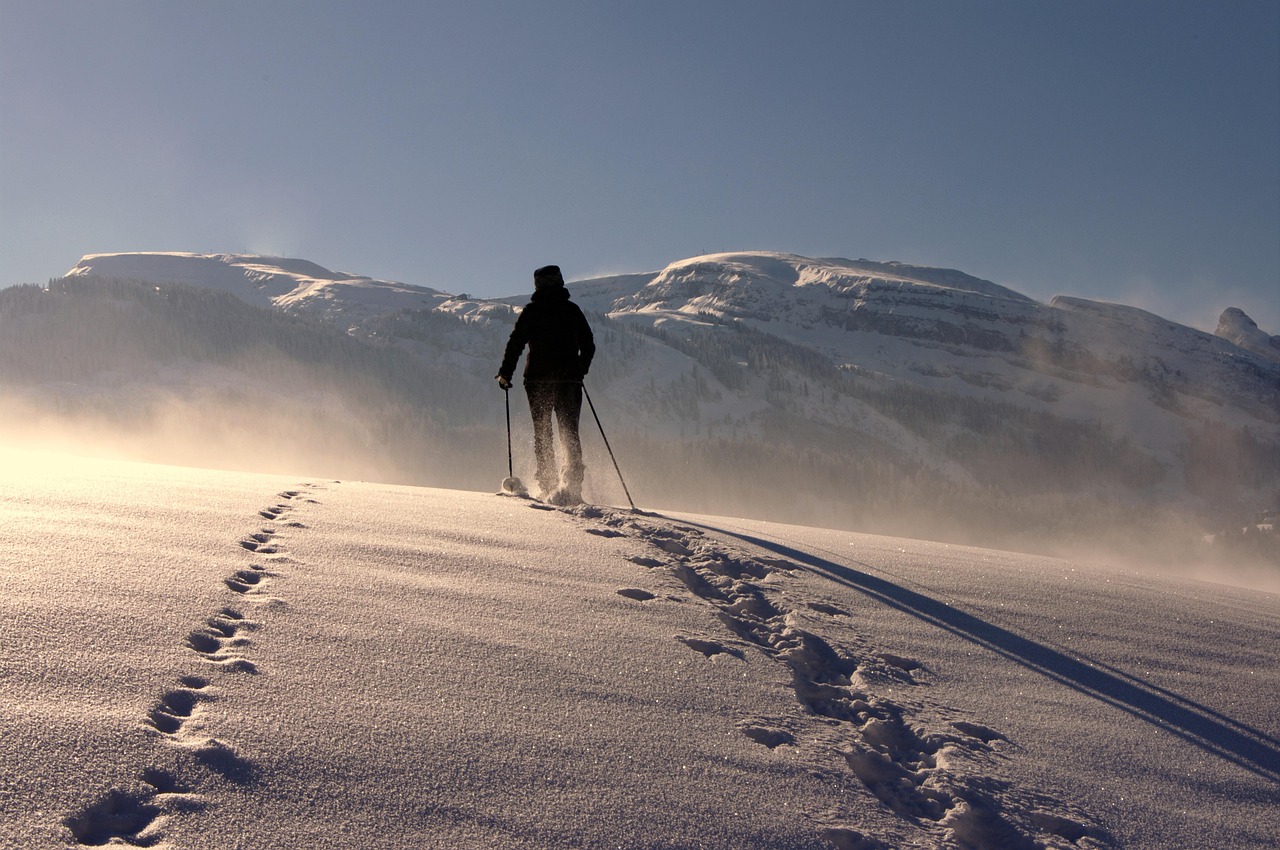
But winter comes with real challenges. Many roads close, services shrink, and you’ll need specialized gear. Snowshoes or cross-country skis become your primary mode of transport in places like Banff or Yosemite’s backcountry. I’ve done winter camping in Norway’s Hardangervidda, and preparation really is everything.
Gear to consider for winter eco travel:
- Snowshoes (MSR Lightning Ascent are widely trusted).
- Insulated waterproof boots.
- A four-season tent if you’re backcountry camping.
Pro tip: check park websites for winter hours and road closures before booking anything. Some trails are completely inaccessible from December through March.
Tropical Dry vs. Wet Seasons: A Critical Tradeoff
Tropical eco destinations like the Amazon, Bali, or the African savanna operate on a dry/wet season cycle. The dry season is usually the best time for wildlife viewing—animals gather around water sources, and trails are passable. In the Serengeti, the Great Migration peaks from July to October. In the Peruvian Amazon, the dry season (June to November) means fewer mosquitoes and better river navigation.
The wet season, on the other hand, transforms landscapes into lush, green wonderlands. Waterfalls are fuller, flowering plants are at their peak, and you’ll often have trails to yourself. Prices drop significantly. In Bali, the wet season (October to March) can still offer good surfing and temple visits if you don’t mind afternoon downpours.
Here’s a simple decision framework:
- For photographers: dry season for clear skies and active wildlife.
- For budget travelers: wet season for discounts and fewer crowds.
- For birders: wet season often means more nesting activity.
Avoid booking wet season trips if you’re a first-time tropical traveler—the rain can be intense, and some tours cancel frequently.
Monsoon Season: Hidden Gems or Risky Bet?
Monsoon season in destinations like Kerala, Thailand, or Cambodia is polarizing. On one hand, the landscapes are at their greenest, rice paddies shimmer, and waterfalls roar. On the other, rain can shut down roads, tours, and even accommodations. In Kerala’s backwaters, monsoon (June to September) means fewer tourists and a more authentic experience—but also the risk of flooding.
For seasoned travelers, monsoon can be the best time for cultural immersion. You’ll interact more with locals, see daily life without the tourist veneer, and find last-minute deals. But I wouldn’t recommend it for first-time visitors or anyone with tight itineraries. Leeches are common in forested reserves, and some wildlife species become less active.
If you go during monsoon:
- Pack a dry bag for electronics and valuables.
- Choose accommodations with good drainage and covered walkways.
- Build flexibility into your schedule—expect delays.
Month-by-Month Quick Reference for Top Eco Regions
Use this as a quick decision tool when planning your trip. These recommendations come from my own visits and conversations with local guides.
- Galapagos Islands: Best months are June-November (dry season) for cooler weather and active marine life. December-May (wet season) for warmer seas and lush vegetation. Crowds peak in July and August.
- Banff National Park (Canada): July-August for hiking, September-October for fewer crowds and larch colors, December-March for skiing. Avoid June (mosquitoes and mud).
- Amazon (Brazil/Peru): June-November (dry) for walking trails and wildlife viewing. December-May (wet) for river navigation and fewer visitors.
- Costa Rica: December-April (dry) for best weather, May-November (green season) for lower prices and fewer crowds. August is a mini-peak for local holidays.
- Patagonia (Chile/Argentina): October-March (spring/summer) for accessible trails, November-February for best weather. March-April for fall colors and fewer tourists.
- Norway Fjords: June-August for midnight sun and fjord cruises. September-October for lower rates and autumn colors. May and September are excellent shoulder months.
For these destinations, book guided tours well in advance—especially for the Galapagos and Patagonia, where permits sell out months ahead. Travelers who want to document wildlife encounters may find a compact zoom camera useful for capturing details from a distance. Check with local operators for the most current conditions.
Common Mistakes When Choosing Your Eco Travel Dates
I’ve made every mistake on this list, so learn from my experience.
- Booking peak season without checking school holidays. July in Europe and North America means crowds everywhere. Even ‘off-peak’ destinations get swamped. Always check local school calendars.
- Overlooking rainy seasons in rainforests. Just because it’s ‘dry’ doesn’t mean it doesn’t rain. Costa Rica’s ‘dry season’ still sees occasional showers. Be prepared.
- Assuming mild weather equals best wildlife viewing. Some animals are more active in cooler or wetter conditions. In the Serengeti, the calving season happens in January-February (short rains), not during the peak dry months.
- Ignoring local festivals. Diwali in India, Golden Week in Japan, or Carnaval in Brazil can triple park visitor numbers. Plan around them unless you’re specifically attending.
The fix is simple: cross-reference your chosen season with at least two sources—a local tourism board and a recent travel blog from someone who’s been there in that month.
How to Use This Guide for Your Next Booking
Here’s a repeatable process I use for every eco travel decision:
- Pick your eco destination.
- Identify its micro-seasons (dry/wet, peak/shoulder/off).
- Match your priority—budget, wildlife, solitude, or photography.
- Check for local holidays or events that might affect crowds.
- Book early if you want peak season, or plan around shoulder months for the best balance.
Once you’ve narrowed down your dates, compare sustainable lodges and tours that operate responsibly in your chosen season. Many eco-lodges offer seasonal discounts or specialized itineraries that align with wildlife activity.