11 Wildlife Sanctuaries That Welcome Visitors: A Practical Guide to Ethical Encounters
Introduction
If you are looking for wildlife sanctuaries visitors can trust, you probably already know the difference between a real rescue and a roadside attraction. A genuine wildlife sanctuary exists to care for animals that cannot go back to the wild. It does not breed them, ride them, or put them on display for entertainment. It puts the animal’s well-being ahead of ticket sales. That is the kind of place this guide is about.
This list of 11 sanctuaries is based on three things: ethical standards, visitor experience, and conservation impact. All of them pass the test. Some are well-known. Others are smaller operations doing solid work without the crowds. This guide should help you pick the right sanctuary for your travel plans, budget, and comfort level. You will also get practical booking tips, gear ideas, and warning signs to watch for before you hand over your credit card.
Let’s start by making sure you can tell the real thing from the rest.

What Separates a Real Sanctuary from a Tourist Trap
Not every place that calls itself a sanctuary actually deserves the name. Some are just repackaged zoos with better marketing. Others are outright exploitative. Knowing how to spot the difference protects your money and your conscience.
Here are the green flags of a legitimate sanctuary:
- No breeding programs unless it is part of a certified endangered species recovery plan. A real sanctuary does not produce babies for display.
- No direct contact with predators. You should not be petting, washing, or posing with big cats, bears, primates, or elephants. That is a red flag for stress and danger.
- No rides. Elephant rides, camel rides, or any animal ride is a commercial activity, not rehabilitation.
- Transparent rescue stories. The sanctuary publishes where each animal came from and why it cannot be released.
- Visitor caps. Ethical sanctuaries limit daily visitors to minimize stress on the animals. If they pack people in like a theme park, that is a bad sign.
- Non-profit or registered charity status. Ask to see their registration number. Real sanctuaries are not profit-driven.
Before you book, check the sanctuary’s website for these signs. If you see photos of tourists riding elephants or cuddling lion cubs, scroll past. That is not a sanctuary. It is a business using animals for profit. The places in this list are genuine.
How We Selected These Wildlife Sanctuaries
Every sanctuary included here was vetted against a clear set of criteria. I did not just trust the name or the website photos. I verified the following before recommending any of them:
- Registered as a non-profit or charitable organization.
- Publishes individual animal rescue stories with verifiable details.
- No captive breeding for commercial purposes.
- Positive visitor reviews focused on education and respectful observation.
- Active conservation programs that extend beyond the sanctuary property.
- Alignment with recognized ethical standards such as those promoted by the Global Federation of Animal Sanctuaries (GFAS) or Sanctuaries.org.
This methodology means the only thing you need to worry about is which sanctuary fits your travel plans. The ethics are already handled.
1. The Elephant Nature Park, Thailand
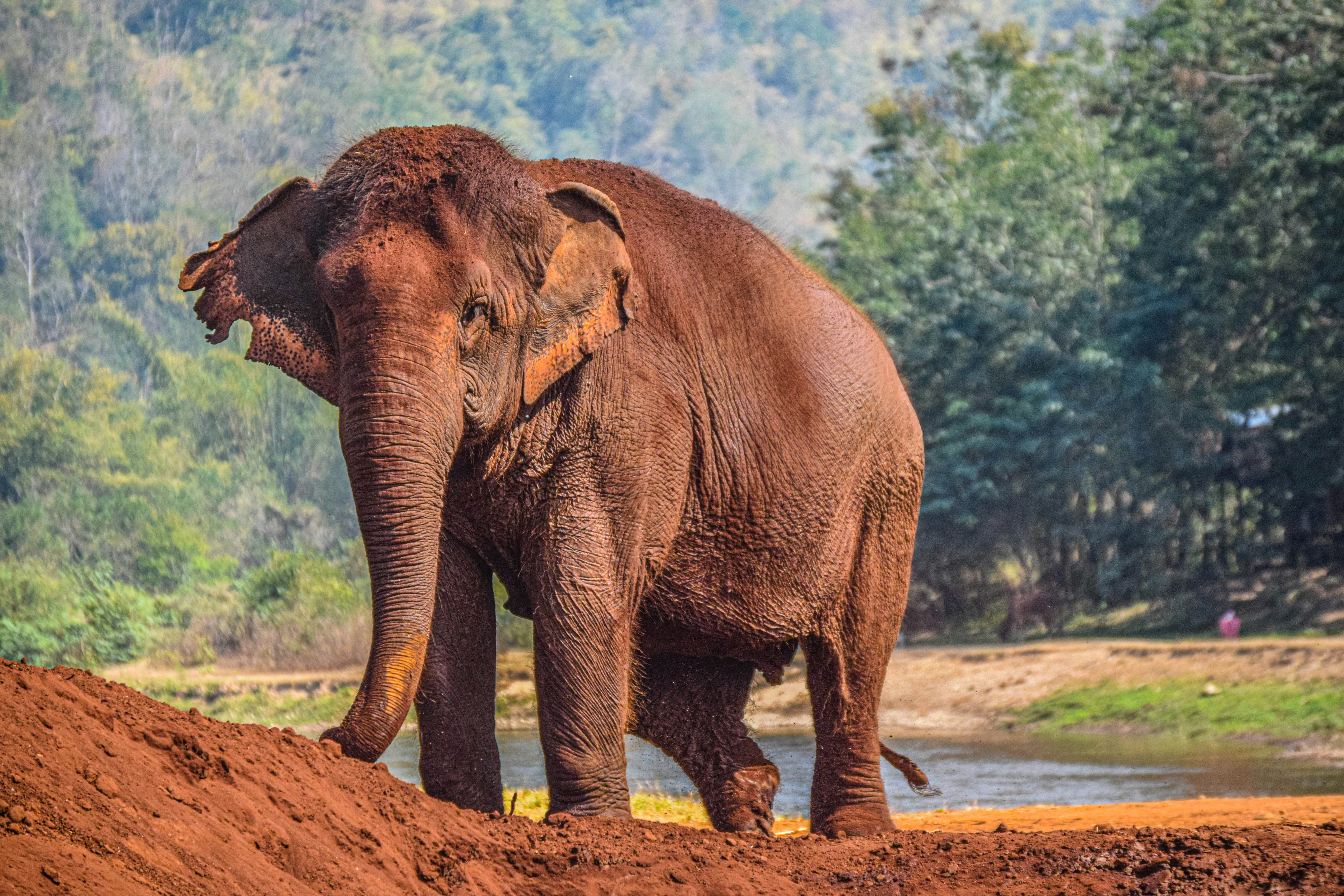
About 60 kilometers north of Chiang Mai, the Elephant Nature Park is the gold standard for ethical elephant tourism in Southeast Asia. Founded by Lek Chailert, this sanctuary rescues elephants from logging camps, trekking operations, and street begging. It is a no-ride, no-hook facility. The elephants roam freely in large natural enclosures.
Visitors spend the day observing, feeding, and walking alongside the elephants in a river. You can also watch a mud bath session, which is more about seeing the elephants enjoy themselves than getting involved directly. The experience is gentle and educational—built around the animals’ schedules. The park caps daily visitors at around 100 people, so it never feels crowded.
This sanctuary is best for families and solo travelers who want a meaningful, relaxing day. You do not need to be an adventurer to enjoy it. Accommodation is available in Chiang Mai, and the park offers shuttle transport. Booking directly through their official website supports rescue and veterinary care. You should book at least two months in advance, especially during peak season from November to February. Travelers who need to plan ahead may appreciate a travel notebook for jotting down important booking details and itineraries.
2. Wild Animal Sanctuary, Colorado, USA
The Wild Animal Sanctuary in Keenesburg, Colorado, is one of the largest carnivore sanctuaries in the world. It spans over 1,000 acres and houses rescued lions, tigers, bears, leopards, and wolves. What makes this place unique is the elevated walkway system. Visitors walk on a long, enclosed bridge that runs above the enclosures. You observe the animals from a height, which keeps them calm and gives you an uninterrupted view of the landscape.
The sanctuary is open year-round, but hours change with the seasons. Entrance fees range from $15 to $25 per person, which is a bargain for the scale of the operation. There is an educational visitor center with videos and exhibits about the rescue stories of individual animals.
This is a good option for travelers in the Midwest or anyone driving through Colorado. It is about 45 minutes northeast of Denver, making it an easy day trip. There are hotels in nearby Brighton and Fort Lupton if you want to stay overnight. No touching is allowed, and that is exactly how it should be. The animals here have been through enough.
3. The Orangutan Sanctuary, Sepilok, Borneo
The Sepilok Orangutan Rehabilitation Centre in Sabah, Malaysia, is the most famous orangutan sanctuary in the world. It was established in 1964 and has released hundreds of orangutans back into the surrounding rainforest. Visitors watch from elevated viewing platforms during feeding times. The platform is about 20 meters from the feeding area, giving you a clear view without stressing the animals.
Feeding sessions happen twice a day: once in the morning around 10 AM and again in the afternoon. The morning session is busier but offers the best chance of seeing orangutans, especially young ones. Entrance fees are around 30 Malaysian ringgit for adults. You should book transport from Sandakan in advance, as taxis can be expensive on the day.
Adjacent to the orangutan centre is the Bornean Sun Bear Conservation Centre. You can cover both in one visit. This is a must-see for anyone traveling through Borneo. The conservation work here is genuinely world-class.
4. Care for the Wild, Sri Lanka
Care for the Wild, located near Kandy, is a smaller sanctuary that rescues old, injured, or abandoned elephants. It is a quieter, more intimate experience compared to the larger sanctuaries. The policy here is hands-off. You do not bathe the elephants or ride them. You observe from a respectful distance and listen to guides explain each elephant’s story, their medical history, and their daily routine.
This sanctuary is best for travelers who want a thoughtful, educational visit without the tourist crowds. It combines well with a trip to the nearby Pinnawala Elephant Orphanage, but understand that Pinnawala is more commercial and allows closer interaction. Do not confuse the two. Care for the Wild is the ethical choice for those who want to learn without participating in animal handling.
Entrance fees are modest, and the sanctuary relies heavily on donations. If you are in the Kandy area, it is worth the short drive. Plan for about two hours on site.
5. The Great Bear Lodge, British Columbia, Canada
This is a premium experience, and it should be. The Great Bear Lodge is a floating lodge in the Great Bear Rainforest, accessible only by floatplane or boat. You stay for multi-day packages that include guided bear observation trips by boat and from viewing platforms. The focus is on grizzly bears, black bears, and the rare spirit bear. Naturalist guides lead every tour. The level of expertise is high.
Costs start around $2,500 per person for a multi-night stay, including accommodation, meals, and guiding. This is not for budget travelers. It is for serious wildlife photographers, conservation enthusiasts, and anyone willing to invest in a once-in-a-lifetime experience. Booking is competitive. You often need to reserve a year in advance, especially for prime months from August to October.
If you have the budget and the patience to plan ahead, this is arguably the best bear viewing experience in North America. The lodge follows strict ethical guidelines to ensure the bears are never stressed or habituated to humans. For photographers, a camera with a good zoom lens is essential for capturing bears from a safe distance.
6. Lion Sanctuary, South Africa (The Drakenstein Lion Park)
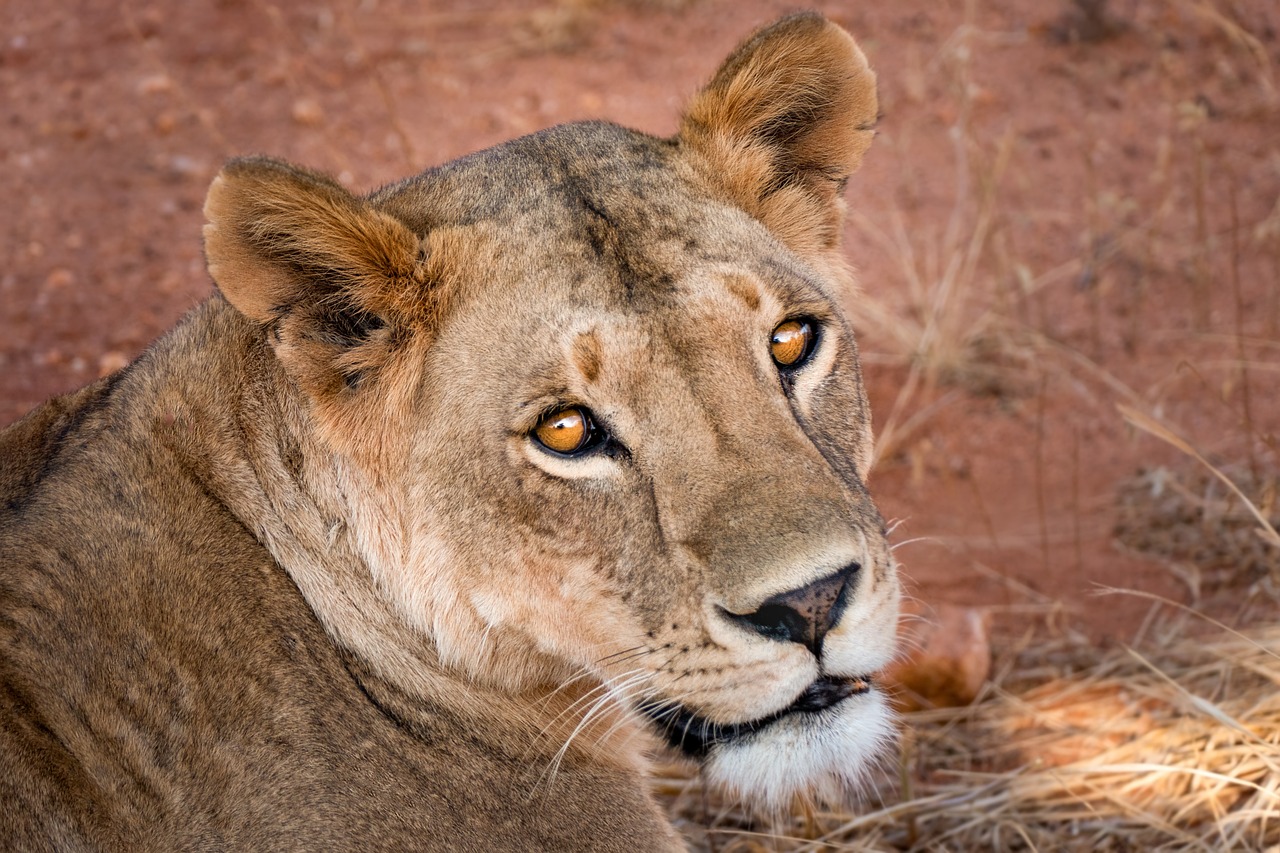
The Drakenstein Lion Park, about 50 kilometers from Cape Town, rescues lions from circuses, canned hunting operations, and private ownership. It is a small facility, but the impact is significant. Visitors walk along elevated walkways above the enclosures, watching the lions rest, play, and socialize. There is no direct contact. You are there to observe, not interact.
This sanctuary is particularly important because it provides a home for lions that would otherwise be euthanized or kept in terrible conditions. Admission fees directly fund care, food, and veterinary services. They also support anti-poaching work. If you are doing a Cape Town itinerary, this is a straightforward day trip. The sanctuary is open daily from 9 AM to 5 PM.
It is not flashy. It is not large. But it is honest, ethical, and desperately needed. Supporting this sanctuary means standing against canned hunting, which is still legal in parts of South Africa.

Comparing What to Expect: A Quick Reference Table
| Sanctuary Name | Location | Best For | Cost Range | Booking Needed | Type of Animals |
|---|---|---|---|---|---|
| Elephant Nature Park | Thailand | Families, solo travelers | $60–$100 | Yes (2 months ahead) | Elephants |
| Wild Animal Sanctuary | Colorado, USA | Day trips, Midwest travelers | $15–$25 | Online tickets | Big cats, bears, wolves |
| Sepilok Orangutan Sanctuary | Borneo, Malaysia | Wildlife enthusiasts | $6–$8 | Walk-in (crowded) | Orangutans |
| Care for the Wild | Sri Lanka | Quiet, educational visits | $5–$10 | Not required | Elephants |
| Great Bear Lodge | Canada | Photographers, premium tours | $2,500+ | 1 year in advance | Grizzly bears |
| Drakenstein Lion Park | South Africa | Cape Town itinerary | $10–$15 | Not required | Lions |
| The Sloth Sanctuary | Costa Rica | Family-friendly, unique | $20–$30 | Recommended | Sloths |
| The Wolf Conservation Center | New York, USA | Educational, wolf lovers | $10–$15 | Required | Wolves |
| The Big Cat Sanctuary | Kent, UK | Short break, family | $15–$20 | Required in advance | Lions, tigers, leopards |
| The Kangaroo Sanctuary | Australia | Unique animal experience | $15–$30 | Required | Kangaroos |
| The Turtle Sanctuary | Costa Rica | Beach travelers | $10–$15 | Walk-in | Sea turtles |
What to Bring: Essential Gear for Sanctuary Visits
Visiting a sanctuary means spending time outdoors, often in wildlife habitats. You want to be prepared without carrying too much. Here is a short list of gear that solves real problems during your visit.
- Binoculars: Distant viewing is the norm in ethical sanctuaries. Good binoculars let you see details without crowding the animals. A pair with 8x or 10x magnification works perfectly for most environments. Check out top-rated binoculars on Amazon.
- Weather-appropriate clothing: A light rain jacket and a sun hat cover most scenarios. Sanctuaries rarely have indoor waiting areas. Find a reliable rain jacket here.
- Reusable water bottle: Staying hydrated is essential, especially in tropical climates. Many sanctuaries have refill stations. Browse reusable water bottles.
- Camera with zoom lens: A compact camera with optical zoom is ideal. You will not be able to walk up to the animals, so zoom is your friend. See cameras with optical zoom.
- Insect repellent (DEET-free): Protect yourself without harming the environment. Many sanctuaries request DEET-free products to avoid contaminating water sources. Try DEET-free insect repellent.
- Field journal: You will learn a lot during your visit. A small notebook helps you remember the stories and species you encounter. Find a field journal here.
Mistakes to Avoid When Booking a Sanctuary Visit
Even experienced travelers make avoidable mistakes when visiting sanctuaries. Here are the most common ones.
- Booking through third-party aggregators without verifying ethics. Aggregators care about filling seats, not animal welfare. Always check the sanctuary’s own website first. If they do not have a website or it looks generic, be suspicious.
- Assuming ‘sanctuary’ means ethical. The word is not legally protected. Anyone can call their facility a sanctuary. Look for specific practices like no breeding, no direct contact, and transparent rescue stories. If those are missing, it is not a sanctuary.
- Ignoring visitor caps. If a sanctuary accepts unlimited walk-ins every day, the animals are under constant stress. Ethical sanctuaries control numbers. If a place is packed when you arrive, that is a red flag.
- Not checking cancellation policies. Many sanctuaries rely on advance bookings. Their policies vary from flexible to strict. If your plans change, you do not want to lose your money. Check before booking.
A little research goes a long way. If something feels off, trust your instinct. There are plenty of legitimate sanctuaries that welcome responsible visitors.
How to Support Sanctuaries Without Visiting
Not everyone can travel. But you can still support these organizations from home. Sanctuaries operate on tight budgets, and every contribution helps cover food, veterinary care, and facility maintenance.
- Virtual adoptions: Most sanctuaries offer symbolic adoption programs. You get a certificate and regular updates about the animal you support. The Elephant Nature Park, Wild Animal Sanctuary, and Sepilok all have adoption programs.
- Donate to specific rescue funds: Rather than a general donation, check if a sanctuary has a specific fund for medical emergencies or new enclosure construction. Your money goes further when it targets a clear need.
- Share their social media: Sanctuaries depend on visibility. Sharing a rescue story or a fundraising campaign can attract new donors and awareness. It takes 30 seconds and costs nothing.
- Purchase from their online gift shop: Many sanctuaries sell merchandise, art, or local handicrafts. The profit goes directly to their programs. Check the official website for a shop link.
Frequently Asked Questions About Visiting Wildlife Sanctuaries
Are wildlife sanctuaries safe for children?
Most ethical sanctuaries welcome children as long as they can follow basic rules. Quiet observation, no running, and no loud noises are standard. Children over the age of six generally do well. For younger kids, check with the sanctuary directly. The Elephant Nature Park, for example, has family-friendly programs.
Can I volunteer at a sanctuary during a short visit?
Most legitimate sanctuaries require a minimum commitment of one to two weeks for volunteer placements. Short visits (one day) are typically for tourists, not volunteers. If a sanctuary offers a hands-on volunteer experience for a day, be cautious. Real rescue work takes time and training.
What if I see something that seems unethical during my visit?
Take photos or notes discreetly. Then report your concerns to the sanctuary management first. If you do not get a satisfactory response, you can report the facility to animal welfare organizations. Many sanctuaries have complaint procedures listed on their websites.
Do I need travel insurance that covers wildlife encounters?
If you are visiting a sanctuary with large animals, yes, standard travel insurance is a good idea. Some policies exclude injuries from wildlife interactions. Read the fine print before you travel. The cost is small compared to the peace of mind.
Plan Your Visit: Next Steps

You now have a vetted list of wildlife sanctuaries visitors can trust. The next step is simple. Pick one that fits your travel plans. Check the official website for current hours, booking availability, and any travel advisories. If the sanctuary requires advance booking, do it now while it is on your mind.
Consider travel insurance if you are traveling to a remote area or booking a multi-day stay like the Great Bear Lodge. It is a small expense that covers cancellations and medical needs.
When you visit, remember that the animals come first. Observe quietly, follow the rules, and absorb the stories. You are not just a tourist. You are supporting a system that provides care and dignity to animals that have had neither.
If you have questions about a specific sanctuary or want to share your own experience, drop a comment below. And if you are ready to book, use the links provided to book directly through each sanctuary’s official site or their authorized accommodation partner. Your booking is the most direct way to support their work.