Carbon Neutral Destinations: Where to Travel Without the Guilt
Carbon Neutral Travel Destinations Worth Visiting
Introduction

You hear ‘carbon neutral destination’ a lot these days. If you’ve been burned by greenwashing before, it’s smart to be skeptical. I’ve spent years researching and visiting these places, and the honest truth is no trip is truly zero-impact. Flying emits COâ, accommodations use resources, and even hiking trails need maintenance.
But some destinations actually put in the work. They’re not just slapping a leaf logo on a brochure. They’re investing in verified offsets, running on renewable energy, protecting ecosystems, and making it easier for you to travel responsibly. This article is for travelers who want to reduce their footprint but need to separate real effort from marketing fluff. We’ll cover specific carbon neutral destinations, the credibility behind their claims, the practical trade-offs, and how to actually plan a trip that aligns with your values.

What Actually Makes a Destination Carbon Neutral?
Before we dive into the list, let’s get the criteria straight so you can evaluate any claim yourself. A destination that’s genuinely carbon neutral usually ticks several of these boxes:
- Verified offsets: Not just any offset, but ones certified by Gold Standard, Verra, or similar third-party programs. They invest in reforestation, renewable energy, or community projects.
- Renewable energy infrastructure: The country or region powers its tourism infrastructure—hotels, transport, attractions—with wind, solar, hydro, or geothermal energy.
- Sustainable transport options: You can get around without a rental car. Trains, electric buses, bike shares, or walking paths reduce per-tourist emissions significantly.
- Local conservation projects: Tourism fees go directly into protecting national parks, marine reserves, or wildlife corridors. You can see the impact on the ground.
- Third-party certifications: Look for B Corp, Climate Neutral, EarthCheck, or GSTC (Global Sustainable Tourism Council) certifications. These require rigorous audits, not just self-reporting.
If a destination claims to be green but doesn’t offer any of these, it’s likely just eco-theater. Keep that checklist handy.
Why Most ‘Green’ Lists Are Misleading
Here’s the uncomfortable truth: many ‘green’ travel lists are built on shaky foundations. Some destinations buy cheap offsets that have little real impact. Others ignore flight emissions entirely—as if the journey doesn’t count. And plenty of articles label a single eco-resort as a ‘carbon neutral destination’ while the surrounding area runs on coal-powered grid electricity.
For example, I’ve seen islands marketed as ‘eco-friendly’ because one hotel installed solar panels, but the only way to reach them is a long-haul flight followed by a diesel ferry. That’s not carbon neutral travel. That’s selective reporting.
Skepticism is healthy. Here’s a quick checklist for vetting claims yourself:
- Is the carbon neutrality claim made by the country’s tourism board, or by independent auditors?
- Does the claim account for inbound flights, or just ground operations?
- Is there a transparent plan for reducing emissions, not just offsetting them?
- Can you find recent reviews from travelers who visited and saw the sustainability measures in action?
Costa Rica: The Gold Standard for Carbon Neutral Travel
Costa Rica isn’t just a pretty face. The country has been working toward carbon neutrality since 2007 and now runs on over 98% renewable energy (mostly hydro, wind, and geothermal). That alone puts it ahead of most nations.
But not all parts of Costa Rica are equal. For a genuinely carbon neutral travel experience, focus on the Osa Peninsula and Monteverde. These regions have lodges with verified certifications like Lapa Rios (B Corp certified) and Pacuare Lodge (Carbon Neutral certified). You can spend your days hiking through primary rainforest, spotting howler monkeys and toucans, and learning about local conservation projects that your stay directly funds.
Logistics matter. Fly into San José, take a domestic flight to Puerto Jiménez for Osa, or drive (but plan for winding roads). The best time to visit is December through April, when the dry season makes trails accessible. Activities include guided night walks, whitewater rafting on the Pacuare River, and wildlife boat tours.
The trade-off? Tourism here still relies heavily on car travel between regions. Renting a hybrid or using shared shuttles helps. If you want a guided tour that handles the planning, look for operators that partner directly with these certified lodges. Travelers who need a reliable way to stay hydrated on long hikes may want a reusable water bottle with filter to reduce plastic waste on the trail.

Bhutan: The World’s Only Carbon Negative Country
Bhutan isn’t just carbon neutral—it’s carbon negative. The country absorbs more COâ than it emits, thanks to its constitution requiring 60% forest cover (they currently have over 70%). That’s not a marketing gimmick; it’s law.
Here’s how they do it: Bhutan charges a mandatory daily tariff (currently around $200-$250 per person per day) that includes a $65 sustainability fee. That fee funds reforestation, free healthcare, and education. You’re not just visiting a country; you’re contributing directly to its environmental and social infrastructure.
Practical advice: This isn’t a budget trip. The high cost limits tourism capacity, which is intentional. You’ll book a guided itinerary, stay in government-approved hotels, and follow a set route. That might feel restrictive if you’re used to independent travel, but it’s the price of maintaining one of the most carbon neutral destinations on earth.
Best time to visit is March to May or September to November. You’ll need travel insurance that covers high-altitude trekking, and a reliable tour operator to handle the visa and itinerary logistics.
Slovenia: Europe’s Underrated Green Gem
If Bhutan is the gold standard but too expensive, look at Slovenia. Ljubljana won the European Green Capital award, and the country operates the ‘Green Scheme of Slovenian Tourism’—a national certification that rates destinations, accommodations, and agencies on sustainability.
What makes Slovenia genuine carbon neutral travel territory is its scale. You can see Lake Bled, hike Triglav National Park, and explore the capital in a week without ever renting a car. The train network connects major cities, buses run to smaller towns, and bike-sharing programs are widespread. In Ljubljana, the city center is car-free.
Practical tips: Rent an electric car if you need flexibility—charging points are common. Or use the excellent cycling routes through wine regions and along the SoÄa River. Best time to visit is late spring or early autumn for pleasant weather and fewer crowds. For those planning to bike or hike, a lightweight daypack for hiking makes carrying essentials easier and reduces the need for single-use bags.
Slovenia is perfect for travelers who want a mix of culture and nature without a long-haul flight. Pack a reusable water bottle and a good daypack for easy hiking.

Sweden: Touring with the ‘Friluftsliv’ Philosophy
Swedes live by friluftsliv—the concept of open-air living. It’s not just a tourism tagline; it’s embedded in how the country designs its cities and preserves its wild spaces. Stockholm’s archipelago, Gotland’s medieval charm, and Swedish Lapland’s arctic wilderness all offer low-impact travel options.
What sets Sweden apart are its carbon neutral accommodations. The Treehotel in Harads runs an offset program for every guest, and many lodges in Swedish Lapland use renewable energy and locally sourced food. Getting there by train from Stockholm to the north is not just scenic but also low-emission.
Common mistake: underestimating winter gear costs. If you visit Swedish Lapland in winter, you’ll need serious insulation. Renting gear locally is often cheaper than buying, but if you plan to hike regularly, invest in good merino wool base layer and a high-quality water bottle that works in freezing temperatures.
Best for: slow travelers, hikers, and anyone who values quiet, uncrowded experiences.
New Zealand: The Tiaki Promise in Action
New Zealand’s Tiaki Promise asks visitors to care for the land, sea, and culture. It’s backed by government funding for conservation and tourism sustainability. The country has carbon neutral certified operators like the Waka Waka rail service and several South Island lodges that run on solar and wind power.
Practical reality: Flying to New Zealand is unavoidable for most travelers. But you can minimize your impact by choosing direct flights (fewer takeoffs and landings) and staying longer to spread out the carbon cost of your journey. Once you’re there, travel by train or electric rental car. The North Island offers geothermal wonders and Maori cultural experiences; the South Island delivers dramatic fjords and alpine hikes.
Which island for you? The South Island is better for serious hikers and nature enthusiasts. The North Island suits travelers who want a mix of culture, food, and geothermal activity. Either way, book a hybrid or EV rental car if you plan to road trip.
Palau: The Pristine Paradise with a Purpose
Palau does something no other destination does: it requires visitors to sign the Palau Pledge—a legally binding eco-commitment to protect the environment. The pledge covers impact on marine life, coral reefs, and local culture. It’s not a joke; it’s enforced.
The country is a world-class dive destination, with pristine coral reefs, WWII wrecks, and the famous Jellyfish Lake. Marine conservation is not optional here. Part of your tourism fee goes directly into protecting the Palau National Marine Sanctuary.
Trade-offs: Palau is expensive to reach (limited flights from Guam or Manila), and infrastructure is basic. It’s best for serious divers or marine biologists, not casual beach vacationers. Pack reef-safe sunscreen—standard sunscreens are banned for sale and use.
Quick Comparison: Carbon Neutral Destinations at a Glance
If you don’t have time to read the whole article again, here’s a decision grid:
- Costa Rica: Moderate accessibility, moderate cost, strong offset credibility. Best for nature and adventure travelers.
- Bhutan: Difficult to reach, high cost, exceptional carbon credibility. Best for conscious luxury travelers.
- Slovenia: Easy to reach (from Europe), low cost, reliable certification. Best for budget and slow travelers.
- Sweden: Moderate accessibility, moderate to high cost, good offset programs. Best for hikers and slow travelers.
- New Zealand: Difficult to reach, high cost, improving offset systems. Best for long-stay adventurers.
- Palau: Difficult to reach, high cost, strong environmental governance. Best for serious divers.
How to Offset Your Flight to Any Destination
Even if you choose a carbon neutral destination, you’ll still need to offset your flight. Here’s how to do it right:
First, calculate your flight emissions using a reliable tool. Look for one that factors in aircraft type, seat class (business emits more), and routing. Gold Standard and Cool Effect are reputable offset programs that fund reforestation, renewable energy, and community projects. Avoid the cheapest offsets—they’re often from projects with little long-term credibility.
Best practice: combine offsets with direct action. Pack light (less weight means less fuel burned). Choose direct flights whenever possible. And pick destinations already invested in sustainability.
Packing for Low-Impact Travel: What to Bring and What to Skip
Packing smart reduces waste and weight. Here’s what I bring every time:
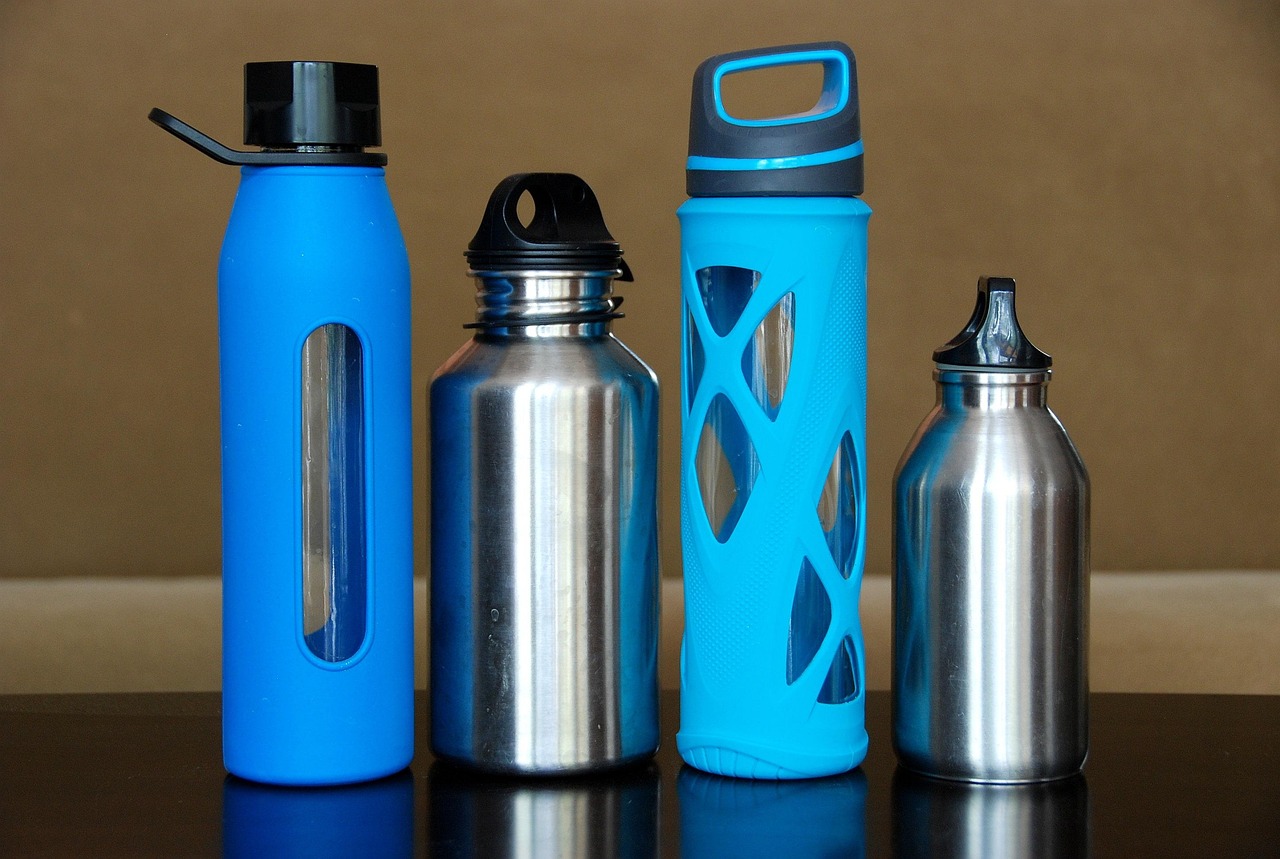
- Reusable water bottle with filter – Avoids buying plastic bottles. In places like Costa Rica or Slovenia, tap water is safe with a filter.
- Bamboo cutlery set – Useful for street food and picnics.
- Solid shampoo and soap bars – No plastic bottles, and they last for weeks.
- Packing cubes – Helps you avoid buying extra clothes you don’t need.
- Merino wool layers – Warm, breathable, and odor-resistant. You pack less.
What to skip: single-use plastics, new ‘eco’ gear if you already own something functional. The most sustainable item is the one you already own. A bamboo cutlery set is a simple, low-weight alternative to plastic utensils when eating on the go.

Three Common Mistakes When Booking Carbon Neutral Travel
Mistake 1: Trusting a resort’s own claim without checking certification. Fix: Look for third-party logos like B Corp, Climate Neutral, or EarthCheck before booking.
Mistake 2: Flying across the world to a destination that doesn’t offset local tourism impact. Fix: Choose a destination that accounts for inbound travel and runs on renewable energy.
Mistake 3: Forgetting to account for land transport emissions. Fix: Plan for trains, bikes, or electric vehicles instead of rental cars fueled by gasoline.
Which Destination Is Right for You? A Decision Guide
Choosing the right destination comes down to a few key factors:
- Budget: Choose Slovenia if you’re watching costs. Choose Bhutan only if you can afford the daily tariff.
- Time: Choose Slovenia or Sweden for a 1-week trip. New Zealand or Bhutan require 2 weeks minimum.
- Travel style: Choose Palau if you dive. Choose Costa Rica if you want adventure and wildlife. Choose Sweden for slow travel.
- Carbon priorities: Choose Bhutan or Palau for the strongest environmental governance. Choose Costa Rica for a proven track record with renewable energy.
Your next step? Pick one destination from this guide, research the specific certification of your chosen accommodation or operator, and book with a provider that uses sustainable practices. Your choices matter—and the more travelers demand real carbon neutral destinations, the more the industry will deliver them.