Introduction
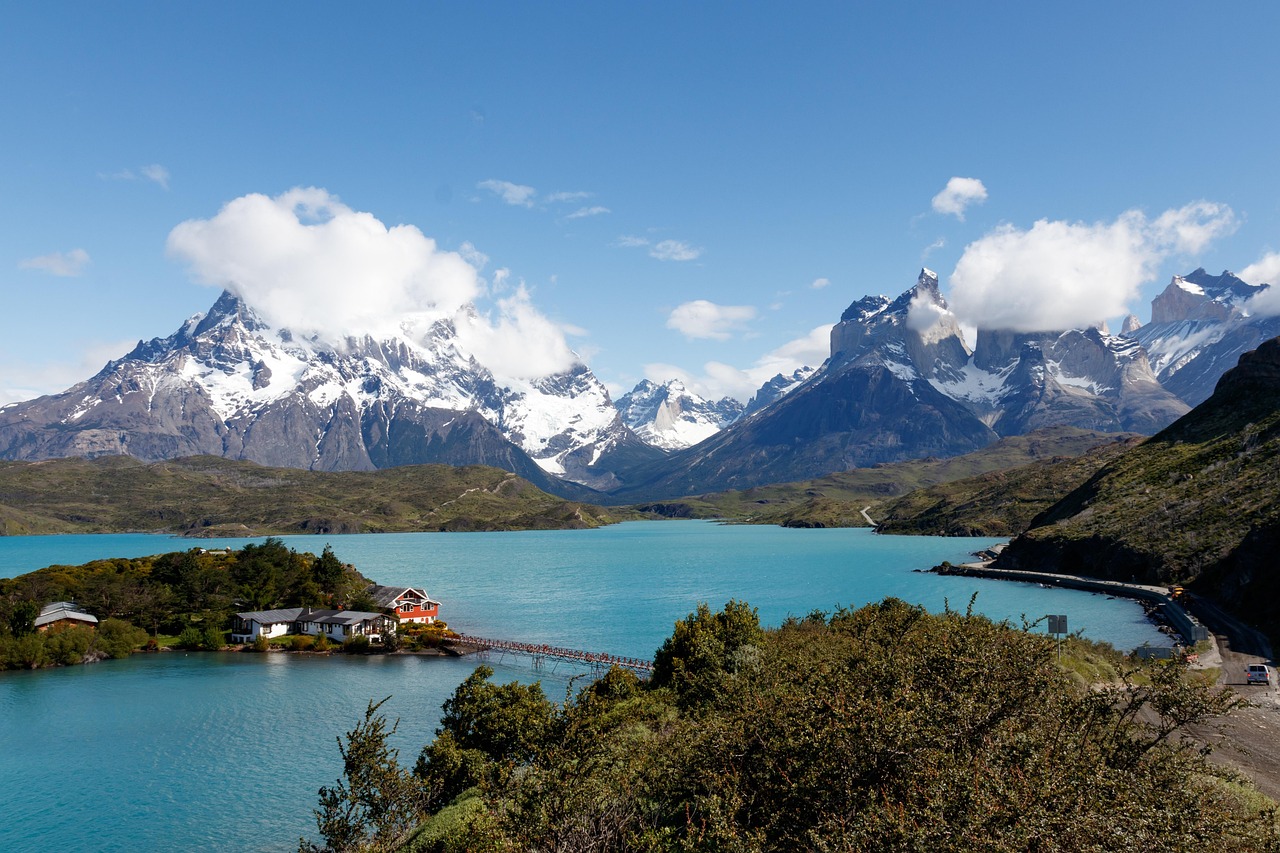
Patagonia’s trails draw trekkers from all over, and for good reason. The scale of the landscape, the clarity of the light, and the sheer remoteness create a trekking experience that’s hard to match. But that popularity comes at a cost. The fragile ecosystems here—spongy peat bogs, high-Andean steppe, ancient lenga forests—take decades to recover from a single season of heavy foot traffic. This eco trekking Patagonia guide is for anyone who wants to experience these trails without adding to the damage. Whether you’re planning an independent traverse or booking a supported trip, here’s a look at routes, operators, and gear through the lens of reducing your environmental impact. No guilt-tripping, just practical decisions that help keep the landscape intact for the next trekker.

Why Eco-Conscious Trekking Matters in Patagonia
The environmental pressures in Patagonia aren’t hypothetical. Torres del Paine, for example, sees over 280,000 visitors annually. That volume accelerates trail erosion, strains water sources, and generates tons of waste that gets hauled out by helicopter or truck. In less frequented areas like Cerro Castillo, the infrastructure is even thinner. A small mistake from one trekker—like washing dishes directly in a stream—can affect water quality for an entire valley. So why does your choice matter? Because Patagonia’s parks manage access through permits and quotas, but they can’t enforce responsible behavior on every trail. Your decisions about gear, food packaging, campsite selection, and waste handling directly affect trail sustainability. Getting a handle on these dynamics helps you plan a trip that’s both rewarding and responsible.
Best Eco-Certified Trekking Operators in Patagonia
If you’re thinking about a guided trek, choosing an operator with real eco-certifications is one of the most effective ways to lower your impact. Here are three that stand out for their verifiable practices.
EcoCamp Patagonia
Located in the heart of Torres del Paine, EcoCamp is an all-inclusive dome camp that holds Rainforest Alliance certification. They run a comprehensive waste management program, use solar panels for hot water and lighting, and compost organic waste on-site. Their guided W Trek packages include group-size limits of 10–12 people, which helps minimize trail congestion. The tradeoff is cost—expect to pay $3,000–$4,500 for a 5-day package, depending on accommodation tier. Best for trekkers who want a fully supported experience with minimal planning required.
Chile Nativo
This smaller operator focuses on private and small-group treks in the Aysén region, including Cerro Castillo and the Northern Patagonian Ice Field. They hold Adventure Green Alliance certification and emphasize guide training in leave-no-trace principles. Their trips are more flexible than EcoCamp’s, with itineraries adjusted based on weather and trail conditions. Price range: $2,000–$3,500 for a 7-day trek. Best for experienced trekkers who want more route customization and less infrastructure.
Patagonia Adventure Travel
Based in El Chaltén, this operator arranges treks in Los Glaciares National Park and the Southern Ice Field. They are certified under the Chilean Sustainable Tourism program (Sello S). Their approach is pragmatic: they use reusable containers for meals, pack out all waste, and source food locally to reduce supply chain emissions. Group sizes rarely exceed eight people. Prices start around $1,800 for a 5-day trip. Best for budget-conscious trekkers who still want strong eco-standards.
Each operator has tradeoffs in price, group size, and route focus. If you value week-long, self-contained trips, Chile Nativo’s flexibility is appealing. If you want a classic W Trek experience with the least planning hassle, EcoCamp is the better choice.
Top Eco-Friendly Trekking Routes and Parks
Not all Patagonian parks manage their trails equally. The best ones for low-impact trekking have strict permit systems, designated campsites, and clear waste policies.
Torres del Paine W Trek
This is Patagonia’s most famous route, and it’s also one of the best-managed. The park enforces a quota system that limits daily hikers on the W circuit. All overnight stays must be booked in advance at designated refugios or campsites—no wild camping allowed. This controls erosion and waste concentration. Difficulty: moderate. Length: 5 days, 75 km. Peak season: November to March. Book your permits and accommodation at least 6 months ahead.
Cerro Castillo Circuit
Near Coyhaique, this 4-day, 45 km circuit sees far fewer visitors than Torres del Paine. The park has fewer restrictions but carries a strict carry-out-all-waste policy. Campsites are basic but designated, reducing impact on vegetation. Difficulty: challenging—steep climbs and variable weather. Best shoulder season: October and November. Arrive with a full waste plan, because there are no services on the trail.
Los Glaciares National Park – El Chaltén Area
El Chaltén is Argentina’s trekking capital, with well-marked day hikes like the Laguna de los Tres and longer semi-wild routes like the Sendero Paso al Viento. The park uses designated campsites and requires all waste to be packed out. The tradeoff is popularity—certain trails can feel crowded during January and February. Permits are free but must be obtained at the ranger station. Difficulty: easy to advanced. Best for trekkers who want flexibility and don’t mind sharing trails.
Tierra del Fuego National Park
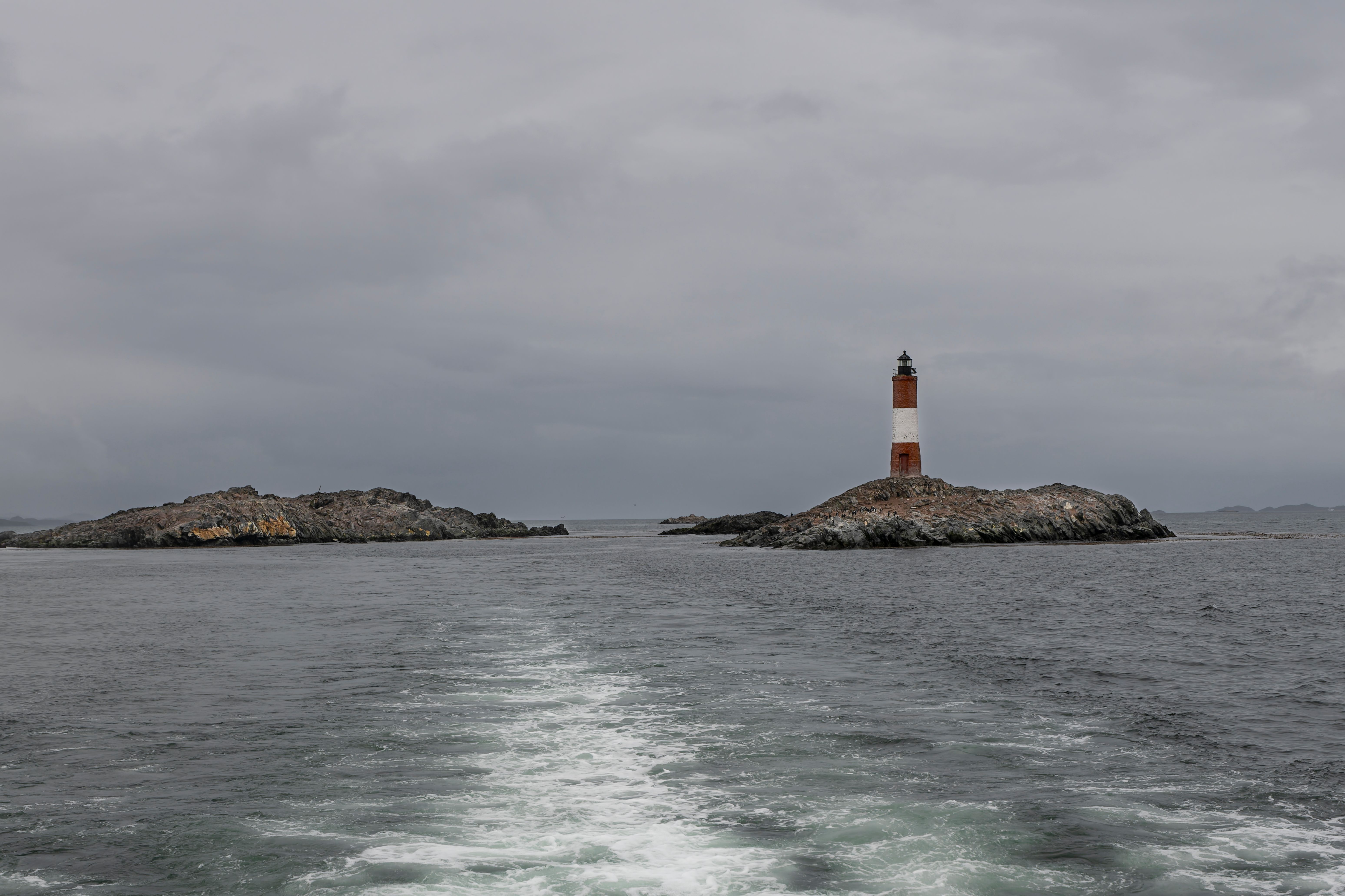
This park near Ushuaia offers shorter, accessible hikes like the Coastal Path and the Cerro Guanaco circuit. It’s less demanding but still has eco-policies like designated picnic zones and a carry-out waste rule. Difficulty: easy to moderate. Best for warm-up hikes before tackling bigger routes. A good option for trekkers arriving from an Antarctic cruise who need a low-impact day walk.

Essential Gear for Low-Impact Trekking
The gear you choose directly affects your environmental footprint. Here’s what matters most.
- Reusable water bottle and filter. Brands like Grayl or LifeStraw allow you to fill up from streams and lakes. In Torres del Paine, water sources are generally safe to treat, but in lower-elevation areas near cattle grazing, a filter with a 0.1-micron rating is necessary. This eliminates buying single-use plastic bottles, which are rarely recycled in Patagonia. Travelers who want a reliable option can consider a water filter bottle for convenience.
- Biodegradable soap. Even biodegradable soaps can harm aquatic life if used directly in streams. Pack a small, concentrated bottle and use it at least 60 meters from any water source. This is a lightweight swap that prevents a lot of damage.
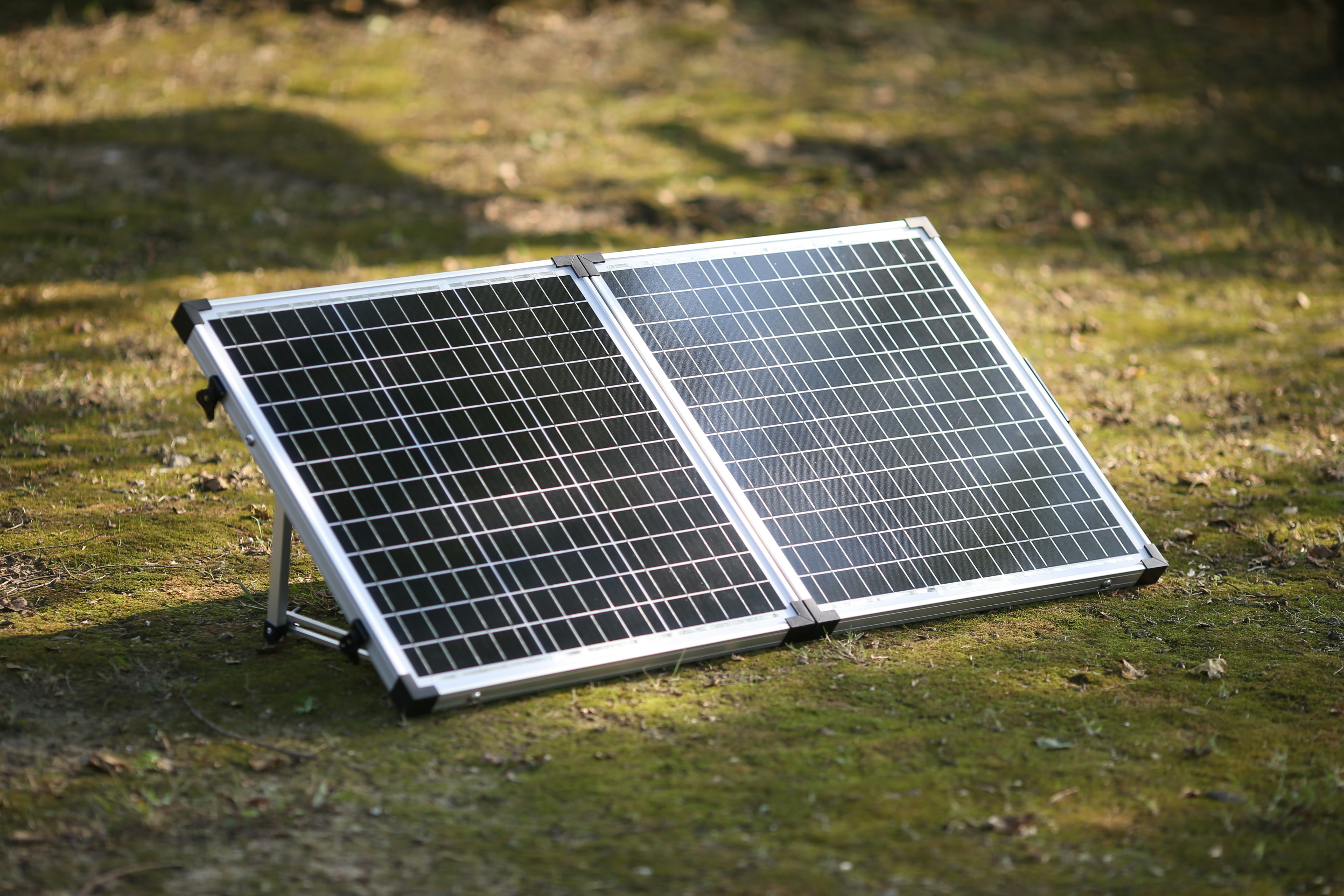
- Solar charger. Many refugios in Patagonia have limited or no power outlets. A portable solar panel like the Goal Zero Nomad 10 can keep your phone and headlamp charged without relying on diesel generators. For cloudy days, pairing it with a portable solar charger is a solid approach.
- Lightweight camp stove. Use a stove that burns locally available gas canisters. The MSR PocketRocket 2 is a good choice because it runs on isobutane canisters found in Puerto Natales and El Calafate. Avoid wood-burning stoves—they’re prohibited in most parks due to fire risk.
- Durable footwear. Trail runners are lighter but wear out faster, increasing long-term waste. A sturdy leather boot like the Lowa Renegade lasts longer, reduces trail erosion by providing better grip, and keeps your ankle stable on loose scree. It is worth the upfront cost.
Permits, Park Fees, and Booking Windows
The permit system in Patagonia is designed to protect the landscape by limiting visitor numbers. It’s not always intuitive, so here’s how it works.
For Torres del Paine, all trekkers must book their campsites or refugios before entering the park. Bookings open 6 months in advance on the official CONAF website. You’ll need to pay a park entrance fee (around $30 USD for foreigners) and a camping fee per night (around $20–$50 depending on the facility). A common mistake is booking the W Trek in the wrong direction—you can only hike east-to-west on the classic route. Another mistake is failing to cancel unused permits, which wastes a spot another trekker could use.
For Los Glaciares, no advance booking is required for day hikes. For multi-day treks, you need to register at the ranger station in El Chaltén and provide a detailed itinerary. There’s no fee, but rangers enforce the carry-out waste rule strictly.
For Cerro Castillo, the park uses a simple reservation system through the local municipality. Book at least 2 weeks in advance. The fee is around $5 USD per night.
Book early, especially for Torres del Paine. January slots can fill within 24 hours of opening. If you can’t get a permit, consider a less popular route like Cerro Castillo.
Waste Management and Leave No Trace on the Trail
Patagonia’s backcountry has zero tolerance for improper waste handling. Here’s what you need to plan for.
For human waste, many trails now require use of WAG bags. Torres del Paine provides them at ranger stations for a small fee. In other parks, you’ll need to pack your own. The Restop 2 bag is a solid choice—it contains odor and is lightweight. Beginners may want to look at WAG bags for hiking for a reliable option. Dig a cathole at least 60 meters from water and 200 meters from camp. Pack out all toilet paper—even biodegradable types take years to break down in these cold, dry conditions.
For kitchen waste, carry a dedicated trash bag and seal it nightly to avoid attracting wildlife. Hang it from a tree branch or store it in a bear-proof canister if recommended. Many trekkers underestimate how much packaging they bring. Before you leave home, repack food into reusable bags or containers and remove excess cardboard.
A portable bidet like the CuloClean reduces toilet paper use significantly. Pair it with a small drying cloth. This combination is lighter than a full WAG bag setup and more hygienic.
If you’re camping, use a portable drying line (like the Sea to Summit Lite Line) to dry wet gear, preventing mold and extending gear lifespan, which reduces waste.
Reducing Your Carbon Footprint: Getting to and Around Patagonia
Getting to Patagonia involves a long flight, but you can reduce emissions through routing and overland travel.
Flying into Punta Arenas instead of Santiago shaves 2,000 km off your flight. From there, take a bus to Puerto Natales (3 hours) for Torres del Paine access. For Los Glaciares, fly into El Calafate direct from Buenos Aires—this avoids an extra domestic flight. For Aysén, fly into Balmaceda and take a bus to Coyhaique.
Consider slow travel: instead of flying between Punta Arenas and El Calafate, take the Navimag ferry through the Patagonian channels. It takes 3–4 days, but it’s a scenic route that replaces a short flight and keeps emissions low. Bus networks between towns are reliable and cheap—use them instead of rental cars.
Carbon offset programs vary in credibility. Look for projects that support renewable energy or forest conservation in Chile. The Chilean Forest Carbon Initiative is one example. Offsets won’t erase your emissions, but they fund projects that wouldn’t happen without your contribution.

Eco-Conscious Camping and Refugio Stays
Where you sleep matters. Here’s a comparison of accommodation options by their environmental practices.
- EcoCamp (Torres del Paine) is the gold standard—solar-powered, composting toilets, and a strict waste policy. Best for trekkers who want comfort without guilt. Budget: $150–$300 per night.
- Refugio Las Torres (Torres del Paine) uses solar panels and has a recycling system. Campsites are basic but designated. Budget: $20–$50 per night for camping.
- Refugio El Pilar (Cerro Castillo area) is a small lodge with composting toilets and rain catchment. It’s not fancy, but it’s practical. Budget: $50–$70 per night.
- Designated campsites in Los Glaciares have pit toilets and water access. No frills, but low impact. Free or $5 per night.
When booking, prioritize places that compost waste, use renewable energy, and have clear water conservation policies. Pack light—every kilogram you carry uses more fuel in transport. Use refugio facilities like showers and sinks sparingly; they rely on limited water supplies.
Common Mistakes That Increase Environmental Impact
Even experienced trekkers make these errors. Here’s what to avoid.
- Using disposable wipes. They don’t decompose, and you’ll pack them out anyway. Use a bandana and water instead.
- Not securing food properly. Lured wildlife leads to habituation and sometimes removal of animals. Store food in a bag hanging from a tree or in a canister.
- Ignoring trail closures. Park rangers close sections for ecosystem recovery. Walking on closed trails damages fragile soil. Follow signs.
- Buying bottled water daily. In towns, tap water is drinkable in most areas. Fill a reusable bottle. In remote areas, treat stream water. Don’t create plastic waste.
- Hiking in worn-out shoes. Lack of traction causes skidding, which erodes soil faster. Replace soles before your trip.
These mistakes seem small but multiply across thousands of trekkers. Correcting even one reduces pressure on the landscape.
When to Choose a Guided Trek vs. Going Solo
Both options have environmental tradeoffs.
Guided treks enforce eco-rules more consistently. Operators handle waste removal, use designated campsites, and educate participants. They also support local employment, which keeps tourism dollars in the region. The downside is higher cost and fixed itineraries. Best for trekkers who want an all-inclusive experience and aren’t confident in self-sufficiency.
Solo treks can be lower-impact if you’re disciplined. You control your route, choose lighter gear, and travel at your own pace. But many independent trekkers underestimate waste planning or skip permit registration. The risk of wild camping in prohibited zones is real. Best for experienced trekkers who research regulations thoroughly and pack light.
If you’re on a tight budget and have experience, solo is fine. If you want to support local economies and aren’t confident about eco-practices, a guided trip is safer.
Final Checklist for Eco-Conscious Patagonia Trekkers
- Book permits and accommodation 6 months ahead (Torres del Paine) or 2 weeks ahead (Cerro Castillo)
- Pack reusable water bottle and filter
- Bring biodegradable soap and use far from water
- Carry WAG bags or a portable bidet for waste
- Use a solar charger and power bank
- Fly into regional airports and use buses or ferries for transfers
- Choose refugios with solar or composting facilities
- Hook up with a certified operator if you want support
- Pack out all trash—no exceptions
- Replace worn footwear to reduce trail erosion
Use this list to prep, then check gear prices for the exact products mentioned. A little planning now means a cleaner trail later.