“`html
Introduction

Planning your travels You’re not alone if you’re trying to cut down your environmental footprint without losing the thrill of discovery. The demand for responsible travel has moved past being a niche concern—it’s front and center for a lot of us now. But good intentions alone don’t make a trip sustainable. It takes real research, honest planning, and sometimes a willingness to trade convenience for impact.
That’s what this guide is for. We’ve focused on sustainable travel destinations where you can explore deeply, spend wisely, and feel good about the mark you leave behind. We’re not here to sell a fantasy of zero-impact travel. Instead, we’re offering practical, experience-backed choices that balance adventure with responsibility. Let’s get into the destinations that are genuinely working to get it right.

How We Selected These Destinations: Our Criteria
We didn’t just pick places with pretty coastlines or a handful of solar panels. The selection process was more rigorous than that. We looked for destinations that show a tangible commitment through specific policies and practices. Here’s what we prioritized:
- Certifications that matter: We favored places with properties and tours certified by bodies like the Global Sustainable Tourism Council (GSTC), Green Key, or LEED. These aren’t perfect, but they provide a solid baseline.
- Community involvement: We looked for programs that keep tourism revenue within local communities, not just international hotel chains. This means local guides, family-run lodges, and community-based tourism projects.
- Environmental action: We checked for active conservation projects, measurable waste management programs, renewable energy use, and visitor management systems that prevent overcrowding.
- Transparency about tradeoffs: No destination is perfect. Some may be working on infrastructure but still face challenges with waste or water. We’ve noted these honestly. For example, a lesser-known park might have incredible biodiversity but limited recycling facilities—that doesn’t make it a bad choice, just one where you need to plan ahead.
We avoided the vague “eco-friendly” label unless we could verify the effort behind it. This list is for travelers who want real substance behind their sustainability claims.
Destination 1: Slovenia – Best for Active, Low-Impact Adventures
Slovenia has quietly become a leader in sustainable tourism, and it’s only getting better. What sets it apart is the country’s commitment to balancing tourism with nature preservation. Over 60% of the country is forested, and Ljubljana was named the European Green Capital years ago for a reason—they’re serious about waste reduction and pedestrian-friendly urban planning.
Why it works : The Slovenia Green scheme is one of the most comprehensive national certification programs. You’ll find certified green accommodations, restaurants, and tour operators across the country. The Julian Alps and Triglav National Park are managed with strict visitor limits and trail maintenance, ensuring you’re not overwhelming fragile ecosystems.
Best for: Hikers, cyclists, foodies who value local ingredients, and families looking for gentle outdoor adventures. The country is compact, so you can explore by train or bus without a rental car.
Practical logistics: Visit between May and September for hiking or September to October for wine harvest in the Vipava Valley. Fly into Ljubljana or Venice and take a direct bus. Stay at a certified eco-lodge like Eko Camp Ljubljana or Hotel Pri Lojzetu in the Vipava Valley—both have strong green credentials and solid reviews.
Common mistake: Don’t just book the first “eco” tour you find. Many operators claim sustainability without certification. Specifically, avoid overcrowded Lake Bled during peak summer weekends. Instead, visit early morning or explore lesser-known lakes like Bohinj.
Gear note: Bring a Katadyn BeFree water bottle—the tap water in Slovenia is excellent, and you’ll refill from mountain springs. A solar charger like the BigBlue 28W is also useful for longer treks in the mountains.
Destination 2: Colombia’s Coffee Region – Best for Cultural Immersion with Certified Eco-Lodges
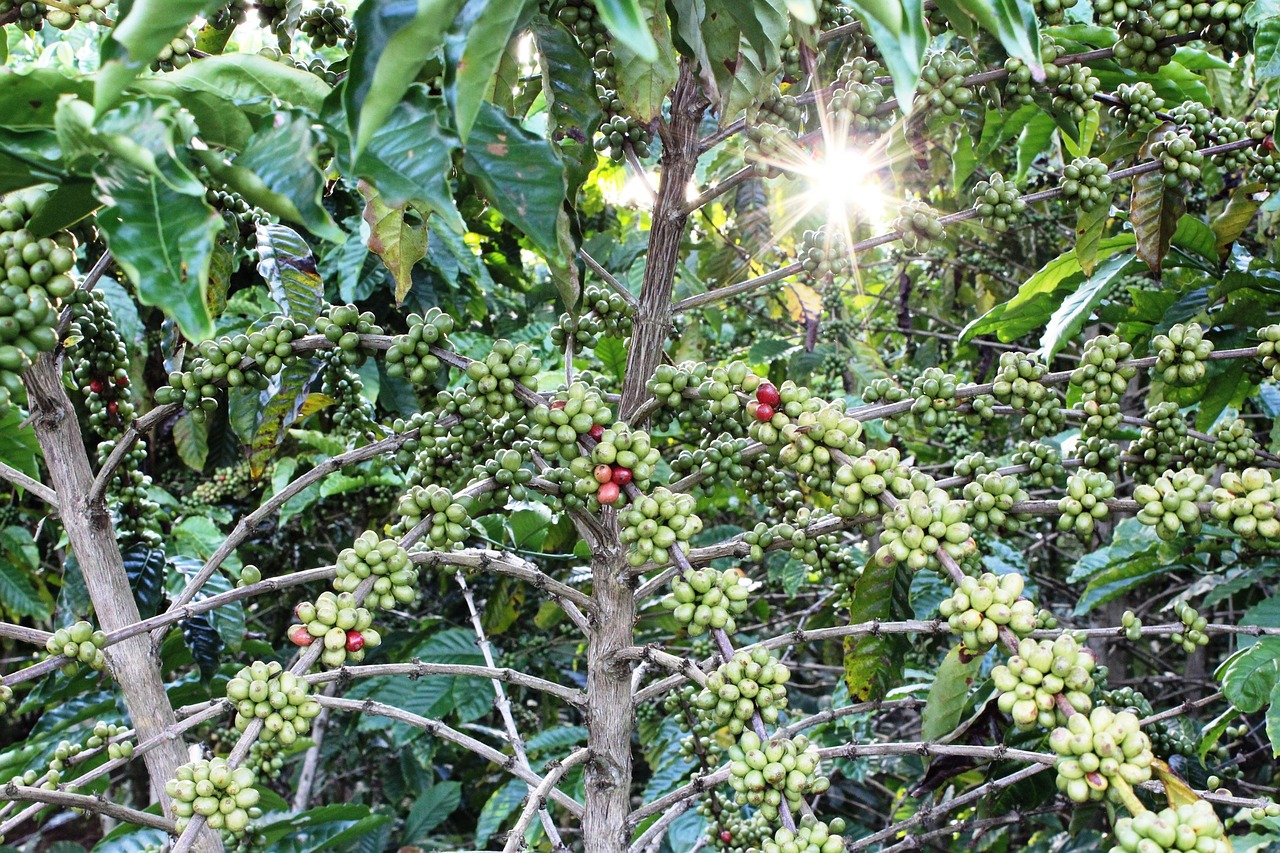
The Coffee Triangle (Eje Cafetero) is a standout for travelers who want to experience local culture while supporting conservation. This region has moved quickly toward sustainability, driven by community-led tourism and government incentives for eco-certification.
Why it works : Many fincas (coffee farms) now operate as eco-lodges, offering stays that fund reforestation and wildlife protection. The Cocora Valley, home to towering wax palms, has implemented trail quotas to reduce degradation. Local coffee cooperatives benefit directly from tourist visits. The region is also part of the Colombian Sustainable Tourism Network, which sets standards for certification.
Best for: Coffee lovers, birdwatchers, cultural travelers, and anyone interested in farm-to-table dining. The region is also great for hiking through cloud forests and learning about regenerative agriculture.
Practical logistics: The dry season from December to March and July to August is best. Fly into Armenia, Pereira, or Manizales—all have airports with direct flights from Bogotá or Medellín. For accommodations, look for properties with GSTC or Green Key certification. Finca El Ocaso in Salento is a solid choice, with organic coffee production and a strong community engagement model. Alternatively, Bio-Aparthotel Natura in Armenia is built with sustainable materials and offers farm-to-fork meals.
Common mistake: Don’t book a “coffee tour” that only shows you a quick roasting demo with no mention of land stewardship or worker wages. Ask up front if the farm is Rainforest Alliance or Fair Trade certified. Also, avoid the tourist-heavy town of Salento on weekends—stick to weekdays for a quieter experience.
Gear note: A packable travel towel from REI or Sea to Summit is useful for the humid climate, and reef-safe sunscreen like Thinksport SPF 50 is essential for any riverside or waterfall hikes.

Destination 3: The Azores, Portugal – Best for Emerging, Low-Impact Island Exploration
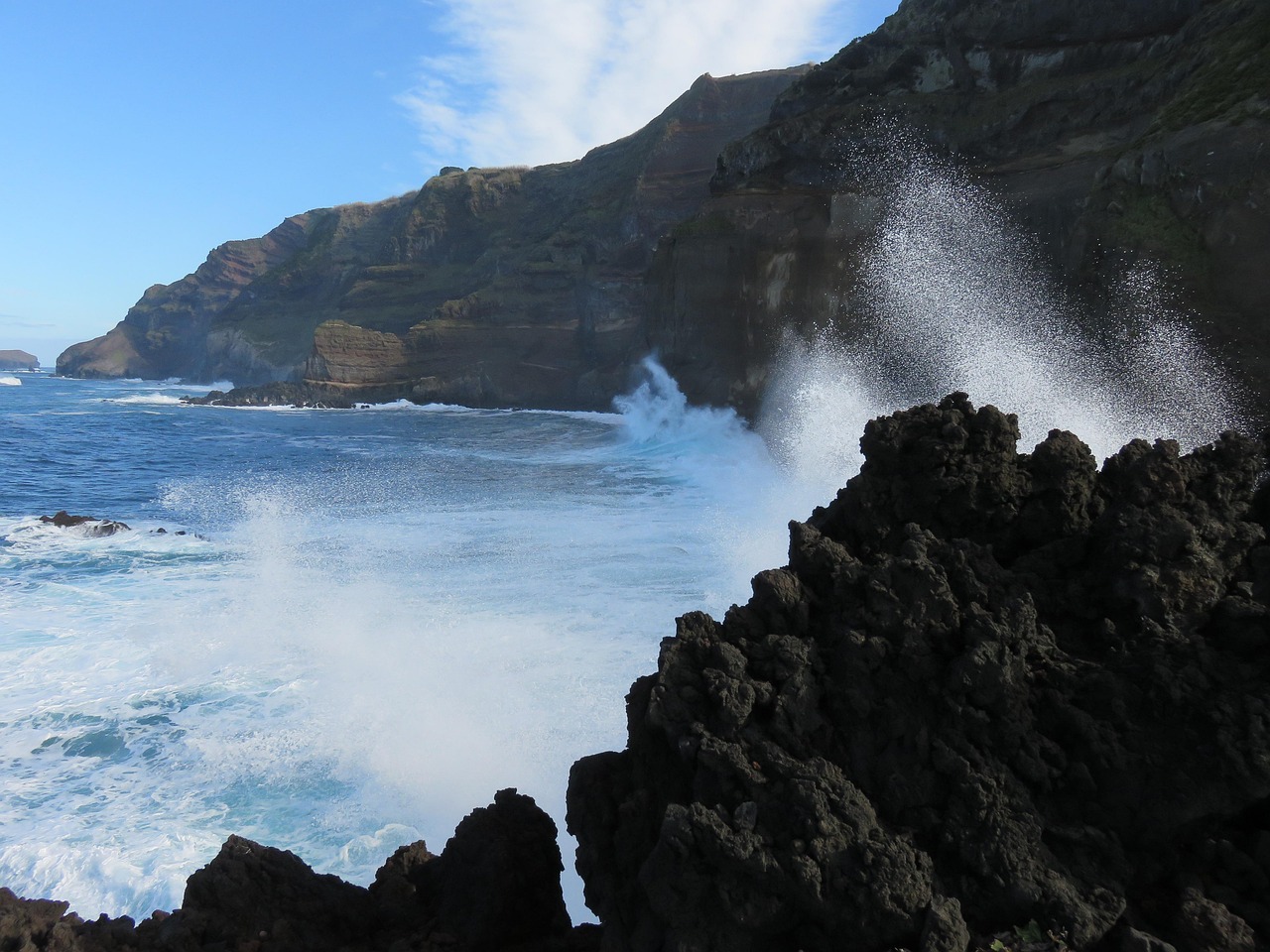
The Azores are often called the “Hawaii of Europe,” but their approach to tourism is more intentional. This Portuguese archipelago has committed to sustainability with the “Azores Green” certification for tourism businesses, a goal to become carbon neutral by 2030, and strict visitor limits on popular hiking trails.
Why it works : The islands are investing heavily in renewable energy, with geothermal and hydroelectric projects powering much of the local grid. Whale watching is strictly regulated to ensure animal welfare, and community-based tourism projects are growing. The region actively promotes slow travel, encouraging visitors to spend at least a week here rather than island-hop daily.
Best for: Hikers, marine life enthusiasts, photographers, and travelers seeking solitude. The islands offer volcanic landscapes, hot springs, and quiet fishing villages. It’s less developed than mainland Portugal, which is exactly the point.
Practical logistics: Visit between June and September for the best weather. Fly into Ponta Delgada on São Miguel Island—direct flights are available from Lisbon, Porto, Boston, and Toronto. Stay at a certified eco-friendly property like White Exclusive Suites & Villas (GSTC-certified) or a smaller agriturismo like Quinta dos Açores on São Miguel. Always book whale watching with Futurismo Azores—they are one of the few operators with official sustainability certification.
Common mistake: Underestimating the weather. The Azores are notoriously changeable—sun, rain, and wind can all appear within an hour. Pack layers and waterproof gear. Also, don’t assume all “eco” tours are legitimate; ask for specific certification numbers or what percentage of revenue goes to conservation.
Gear note: A Patagonia Torrentshell 3L rain jacket is ideal for the unpredictable conditions. A Grayl Geopress water bottle is great for tap water that might be chlorinated on some islands. Finally, consider offsetting your carbon for the flight through myclimate or Atmosfair—it’s not a perfect solution, but it helps fund renewable projects in the region.
Sustainable Travel Destinations Quick Comparison Table
| Destination | Best For | Avg. Cost/Day | Best Time to Visit | Sustainability Highlights | Visa Ease |
|---|---|---|---|---|---|
| Slovenia | Active outdoor adventures, food, cycling | $100–$150 | May–Sep | Slovenia Green cert, low-carbon transport | Schengen |
| Colombia (Coffee Region) | Cultural immersion, coffee tours, birding | $60–$90 | Dec–Mar, Jul–Aug | Eco-lodges, community tourism, reforestation | Visa-free for many |
| Azores, Portugal | Island exploration, hiking, whale watching | $80–$120 | Jun–Sep | Azores Green cert, renewable energy | Portugal is Schengen |
This table gives you a quick overview to compare the three destinations. Pick based on your interests and budget, and don’t be afraid to spend more on verified sustainable options—it’s an investment in the places you love.
What “Sustainable” Really Means in Practice (And What to Watch Out For)
Let’s be honest—sustainable travel is full of buzzwords and greenwashing. A hotel that asks you to reuse towels may have nothing behind it but a cost-saving measure. Real sustainability is about measurable action. Here’s how to spot the real thing:
- Look for third-party certifications: GSTC, Green Key, LEED, or B Corp are better than self-declared “eco” labels. Do a quick check on the certifying body’s site.
- Ask about local ownership: Is the hotel or tour company locally owned? If not, a large chunk of your money leaves the destination. Community benefit matters.
- Check waste management: Do they have composting, recycling, or plastic bans? A property that only uses towel reuse signs but still serves single-use water bottles isn’t serious.
- Inquire about food sourcing: Locally sourced, seasonal food reduces food miles and supports local farmers. Many sustainable places will highlight this proudly.
- Watch for visitor management: Do they limit group sizes or require permits for popular trails? That’s a sign of responsible planning.
Red flags: A vague “eco” tag without explanation, images of untouched nature that don’t match the urban location, or too-good-to-be-true prices (cheap often means corners cut on sustainability). Trust your gut—if something feels like mere marketing, it probably is.
How to Book a Sustainable Trip : A Step-by-Step Checklist
This isn’t theoretical. Use this checklist when you start planning—it will save you time and help you avoid common pitfalls.
- Choose a destination from the list above. Start with the table and pick the one that aligns with your interests and budget. Block out a week or more to limit island hopping.
- Verify accommodations. Use booking platforms that allow you to filter by eco-certification. Example: Booking.com has a “Travel Sustainable” badge, but verify it yourself. I prefer to check the property’s own website for certification details. A good option is EcoHotels.com, which only lists sustainable stays.
- Plan your transport. For the Azores and Slovenia, trains and buses are practical. For Colombia, consider direct flights to regional airports to reduce road emissions. For any long-haul flight, offset your carbon through a verified program like myclimate.
- Book activities with local guides. Search for local operators with third-party certifications. Ask if they pay fair wages and contribute to conservation. In the Coffee Region, book through Colombia Eco Travel—they partner with certified local guides.
- Pack smart. Bring reusable items to avoid single-use plastics. Here are my essential picks :
- Grayl Geopress water bottle – filters questionable tap water, saving you from buying bottled drinks.
- Stojo collapsible coffee cup – perfect for coffee shops and street stalls.
- Bamboo utensil set – any brand, but look for one with a carrying case.
- Sea to Summit travel clothesline – for air drying clothes, reducing hotel laundry waste.
- SteriPen Ultra – UV water purifier for remote hiking where water sources are sketchy.
- Tom’s of Maine natural deodorant – no harsh chemicals, but remember it’s less strong than conventional ones in hot climates.
- Vapur collapsible bottle – when packed, it folds flat; great for day hikes.
- Remain flexible. Sustainable travel often requires adapting—maybe the train is slower than a flight, or the only available eco-lodge is outside town. Don’t let perfect be the enemy of good.
Common Mistakes When Traveling to Eco-Destinations (and How to Avoid Them)
Even well-meaning travelers make these errors. Here’s how to avoid them:
- Mistake 1: Flying unnecessarily to a “green” resort. Don’t book a zero-waste resort in the Caribbean if you’re flying from the U.S. just for a long weekend. The carbon footprint of the flight alone undermines the whole point. Do this instead: Choose a destination you can reach by train or bus if possible, or combine with longer stays over multiple weeks.
- Mistake 2: Not verifying the tour operator. Many operations use the word “eco” on their website but have no certification. In Colombia, this is especially common with “coffee tours” set up by hotels that don’t actually work with local farmers. Do this instead: Ask for specific certification or a direct line to the community they work with. If they can’t provide it, walk away.
- Mistake 3: Ignoring wildlife disturbance rules. In the Azores, whale watching boats must keep distance and limit time with animals, but some operators ignore this. Do this instead: Book only with operators that are members of responsible tourism organizations, like those listed on EcoAzores.
- Mistake 4: Overpacking for the trip. Extra luggage means heavier planes, trains, and buses, which increases carbon emissions. Do this instead: Create a capsule wardrobe for the week. In the Azores, that means a good rain jacket, two pairs of quick-dry pants, and a few base layers. Leave the bulky jeans at home.
These small changes compound. They don’t ruin your trip—they make it better in most cases.

Budgeting for a Sustainable Trip: Cost vs. Value
Let’s talk money. Sustainable travel isn’t automatically more expensive, but the way you spend matters. Here’s a realistic breakdown:
- Accommodation: Certified eco-lodges can be pricier (e.g., in Slovenia, expect $100–$150/night for a certified lodge versus $70 for a standard hotel). But you’re paying for verified environmental practices, local employment, and quality. In Colombia, you can find eco-hostels for under $30/night that are surprisingly good—look for those with green certifications.
- Food: Eating local and cooking in your accommodation is often cheaper than dining at tourist spots. In the Coffee Region, a meal at a local market might cost $3; in Slovenia, a supermarket meal is under $10. Avoid all-inclusive packages—they’re rarely sustainable and often overpriced.
- Transport: Public transit is almost always cheaper than car rentals. In Slovenia, a bus from Ljubljana to Lake Bled is about $6, while a car rental with full coverage is $40+/day. The train in the Azores is limited, but buses and ferries are reasonable.
- Activities: Certified sustainable tours often cost 10–20% more than standard tours. In the Azores, a certified whale watching tour is around $60–$80 compared to $45–$55 for non-certified. The premium is worth it for the regulation and community benefit. Skip souvenir shops—buy directly from local artisans instead.
Tip for finding value: Use websites like Green Key or GSTC to search for certified properties, then check for last-minute deals. Hostels and smaller guesthouses often have better sustainability practices than large resorts. Also, look for places that offer discounts for longer stays.
Final Thoughts: Making Your Trip Count
Planning a responsible trip isn’t about doing everything perfectly. It’s about making informed choices that add up over time. The destinations we covered—Slovenia, Colombia’s Coffee Region, and the Azores—all show that sustainability and great travel aren’t opposing forces.
Start early. Research lodges with genuine certifications. Be willing to pay a little more for local guides and public transport. And when you get back, tell people about the experiences that worked—and the ones that didn’t. That’s how the whole industry gets better.
If you found this guide helpful, share it with your travel group, or save it for when you start booking. Your next trip can be both amazing and better for the planet. It just takes a little planning today.
“`